History

How One Piece maps to real historical events, eras, and mythological traditions.

ONE PIECE Sun God Nika featured
History

Nika Means Marriage: The Linguistic Theory Behind One Piece’s Ending

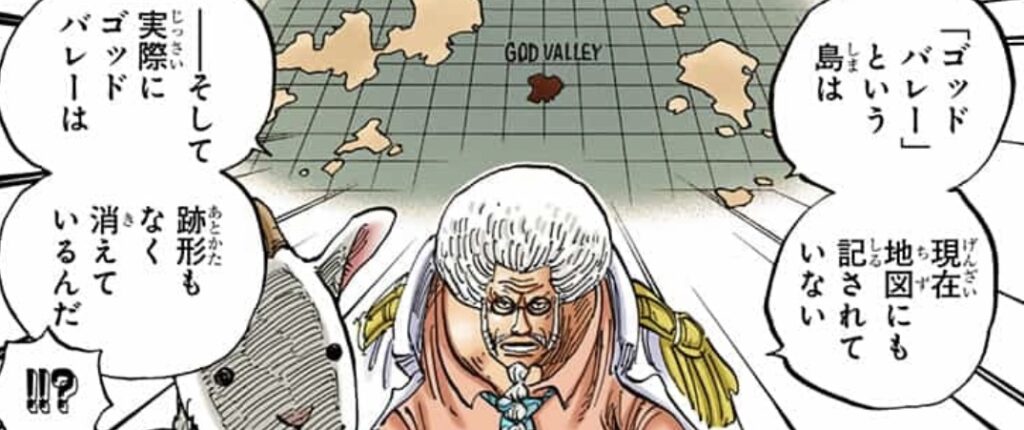
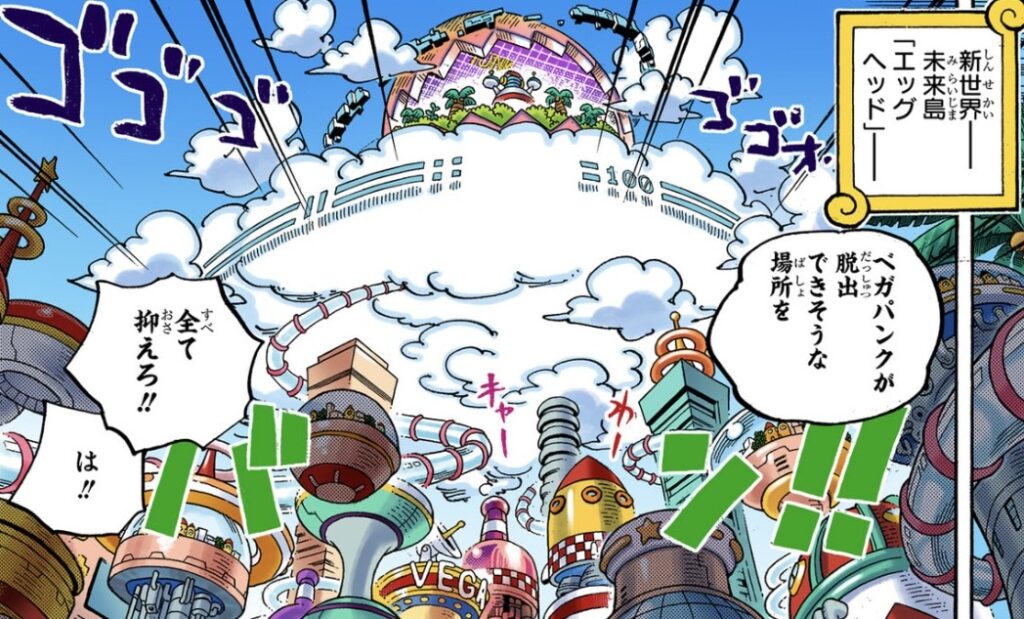
The Gomu Gomu no Mi was always the Hito Hito no Mi, Model: Nika — a Mythical Zoan fruit whose power is the body of a sun deity. Nika’s design draws from Aztec solar mythology: Huitzilopochtli, the Aztec sun god who required continuous sacrifice to keep the sun moving, and the Aztec cosmology of suns that die and must be reborn. The rubber body and the joy that Nika brings are encoded in the original Mesoamerican solar worship.

ONE PIECE Whiskey Peak New Mexico featured
History

Whiskey Peak is Taos Pueblo: Miss Monday is Geronimo and the Taos Revolt is in One Piece

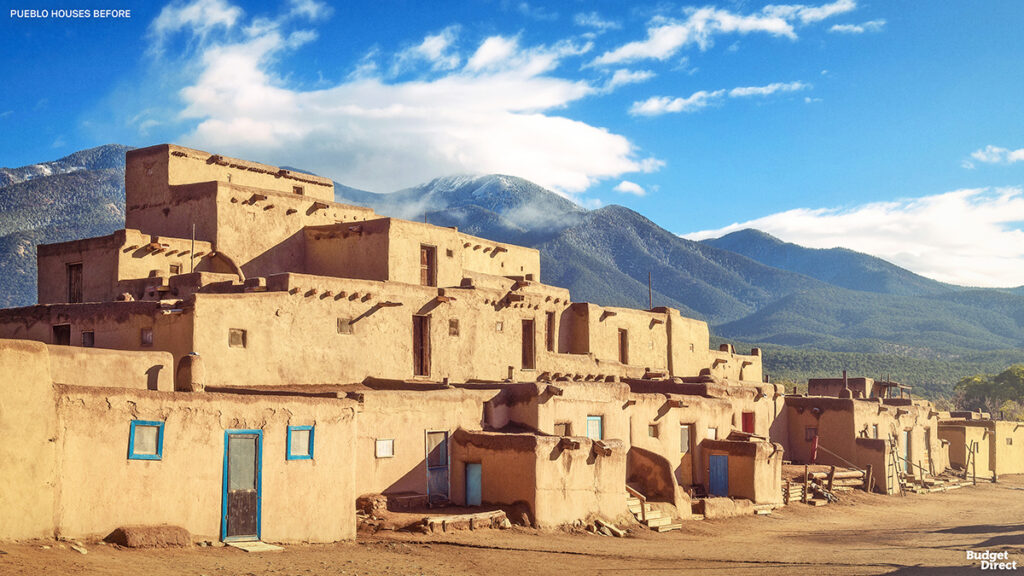
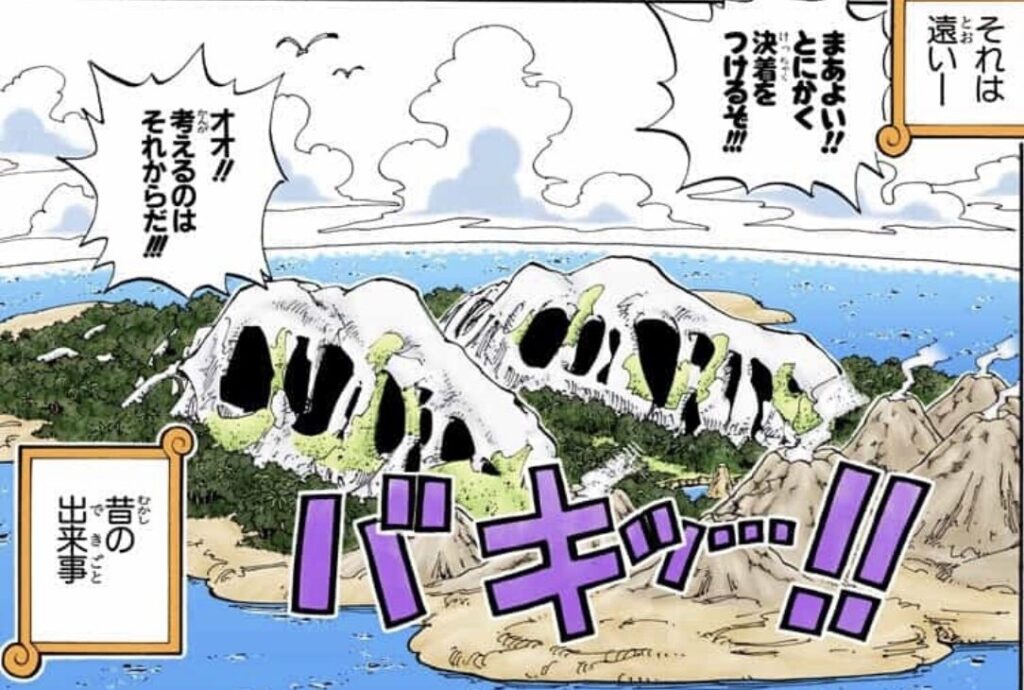
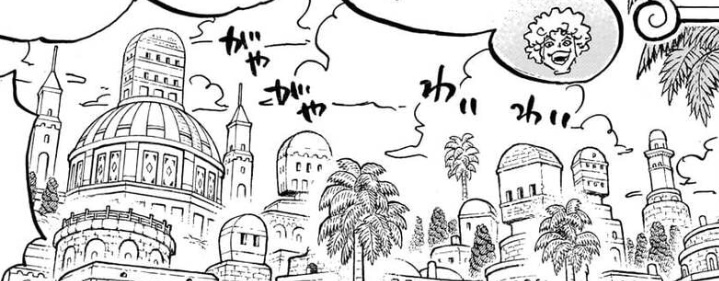
Whiskey Peak is Taos Pueblo, New Mexico — the oldest continuously inhabited community in North America, a UNESCO World Heritage Site. Miss Monday’s model is Geronimo, the Apache resistance leader who became the symbol of Native American defiance against US government expansion. And the reason Miss Monday helps Vivi against Mr. 5 is encoded in real history: the Taos Revolt of 1847, when the Native American population of Taos rebelled against US occupation.

ONE PIECE Wano Mongol featured
History

Wano is Japan: Kaido = Kublai Khan, and the Mongol Invasion Buried in the Seabed

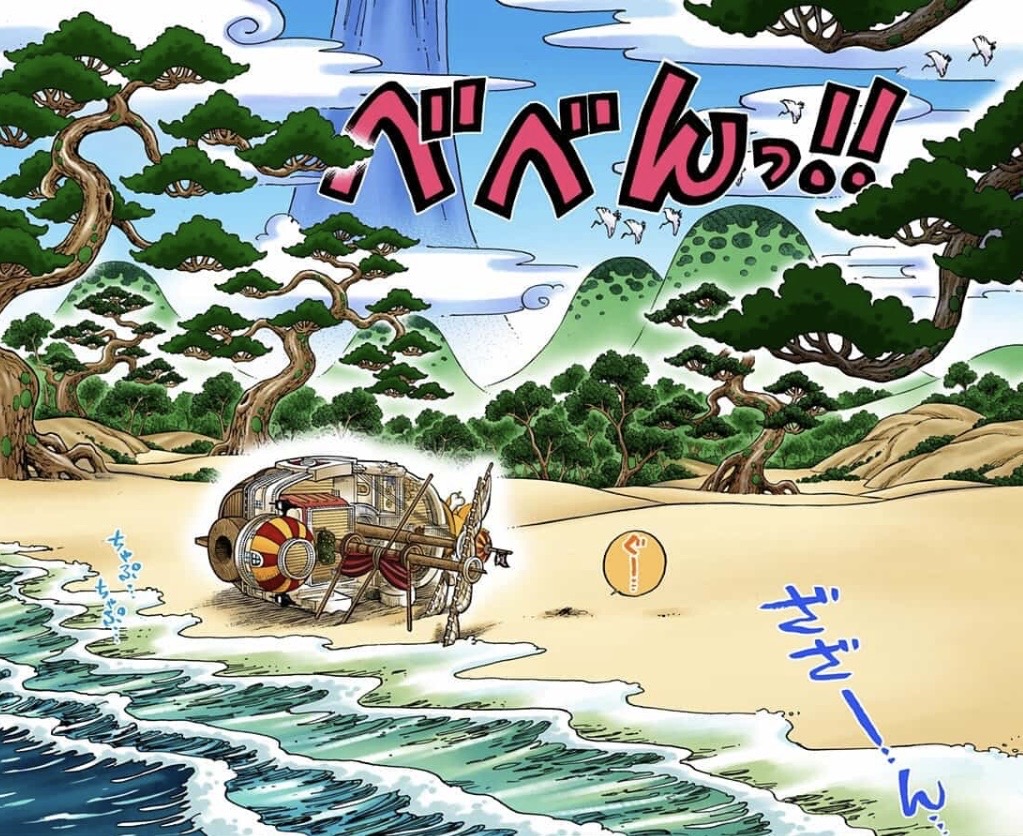
Wano is Japan’s greatest national crisis — the Mongol invasions of 1274 and 1281 — combined with Japan’s oldest folk tale, Momotaro. Kaido’s model is Khaidu Khan, a real ruler who descended from Genghis Khan. King and Queen’s braided hairstyles are authentic Mongolian辮髪. And the sea where the armada assembled for the final battle contains the wreck of the Mongol fleet, sunk by the divine wind.

Scroll to Top