One Piece History and Mythology: The Real World Behind Every Arc
One Piece isn’t just a manga — it’s a chronicle of world history wrapped in adventure. Eiichiro Oda builds every arc from real historical events, real geographic locations, and real mythological traditions. This page collects every article on this site that pulls back that curtain.
For the mythology and historical references discussed week by week, the Weekly Chapter Analysis Index (Ch. 1127–1186) runs alongside the series in real time. The Elbaf arc in particular — running from Chapter 1127 onward — draws heavily on Norse and Aztec mythology.
History: Every Arc Mirrors a Real Historical Event
The arcs of One Piece don’t borrow loosely from history — they re-enact it. A specific uprising, a specific colonial policy, a specific dynasty underlies each saga.
- One Piece History is Real History: Every Arc Mirrors an Actual Historical Event — The master guide: every major arc and its real-world historical parallel.
- Wano is Japan: The Mongol Invasion and Kaido — How the Mongol invasions of 1274 and 1281 map directly onto Wano Country.
- Whiskey Peak is Taos Pueblo: Miss Monday is Geronimo and the Taos Revolt is in One Piece — The 1847 Taos Revolt encoded in a throwaway Baroque Works village.
- Whole Cake Island is the Habsburg Empire: Big Mom is Maria Theresa — Big Mom’s political marriages, food obsession, and dynasty mirror the Habsburg Empress almost exactly.
- Sorbet Kingdom is Mexico: Teotihuacan and Vivi’s Hidden Parallel — The kingdom that launched Kuma’s backstory is built from Mexican history.
- Egghead is Silicon Valley: Apple Park, 500 Years of Future Technology, and the Vegapunk Model — How Oda modeled the future island on the real geography and culture of the Bay Area.
Geography: Real Locations Behind Every Island
Many History & Mythology articles connect directly to specific locations. For the geographic layer — where each island sits on a real-world map — see the Grand Line Geography series.
- Fishman Island is China and France: The Temple of Heaven and the Place de la Concorde
- Enies Lobby is Venice: The Bridge of Sighs and the World Government’s Secret Courts
- Little Garden is Scandinavia: The Viking Age and the Giants of the Real North
Mythology and Religion in One Piece
Oda draws from Norse, Aztec, Japanese Shinto, Buddhist, and Celtic mythological traditions. These references range from character names to full plot structures.
- Nika Means Marriage: The Linguistic Theory Behind One Piece’s Ending — The Sun God Nika, Aztec solar mythology, and why the endgame may already be written.
- Chopper’s Devil Fruit Is Cernunnos: The Celtic Horned God Hidden Inside One Piece — The Hito Hito no Mi’s mythological root is a pre-Christian European deity.
- Saint Saturn Is a Tsuchigumo: Japanese History Hidden Inside One Piece’s Five Elders — The Gorosei’s yokai transformations map to specific creatures from Japanese folklore.
- Ancient Weapon Pluton Is Space Battleship Yamato: One Piece’s Biggest Hidden Reference — The ancient weapon hiding in plain sight inside a 1974 anime classic.
For weekly mythology coverage, see the Chapter Analysis — especially from Chapter 1160 onward where Norse and Aztec symbolism become central to the plot. → Browse the Chapter Analysis Index
Browse All Articles
-
Skypiea Has Two Real-World Models: Cambodia Now, Maya Civilization Then
-
Alabasta is Ancient Egypt: Khufu’s Pyramid, Ramesses II, and the First UNESCO Rescue
-
Whole Cake Island is the Habsburg Empire: Big Mom is Maria Theresa, Judge is Frederick the Great
-
Sorbet Kingdom is Mexico: Teotihuacan, the Sun God Nika, and the Real Model for Bartholomew Kuma
-
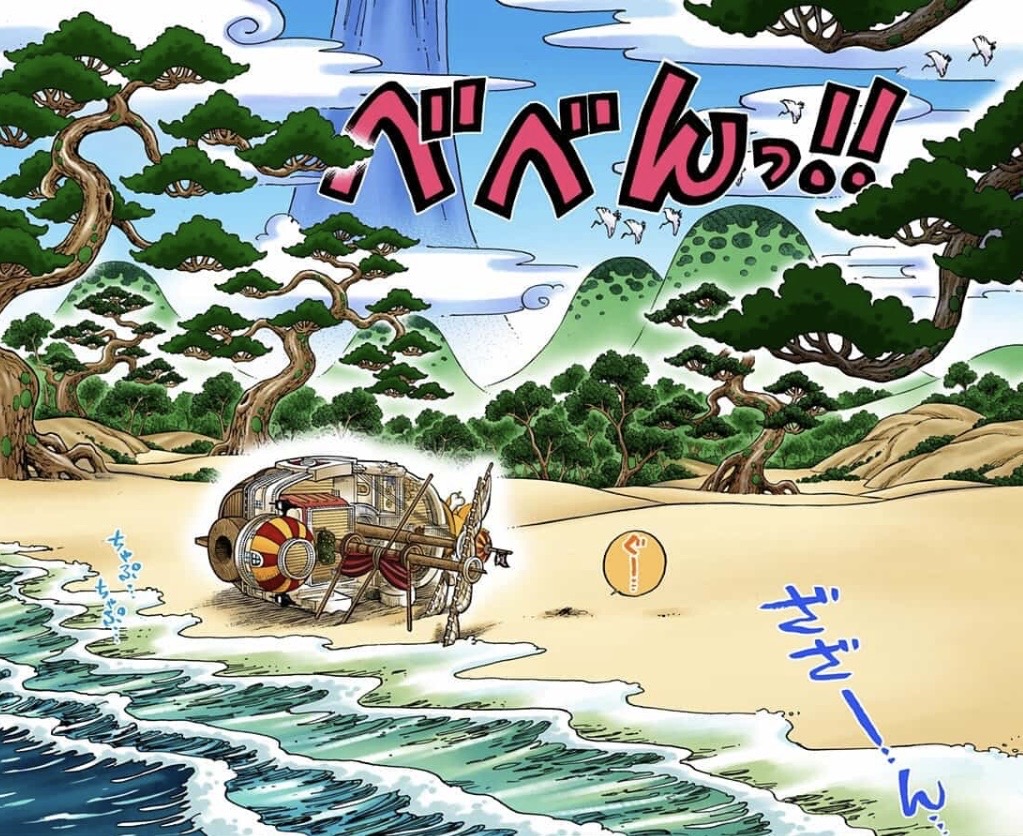
Wano is Japan: Kaido = Kublai Khan, and the Mongol Invasion Buried in the Seabed
-
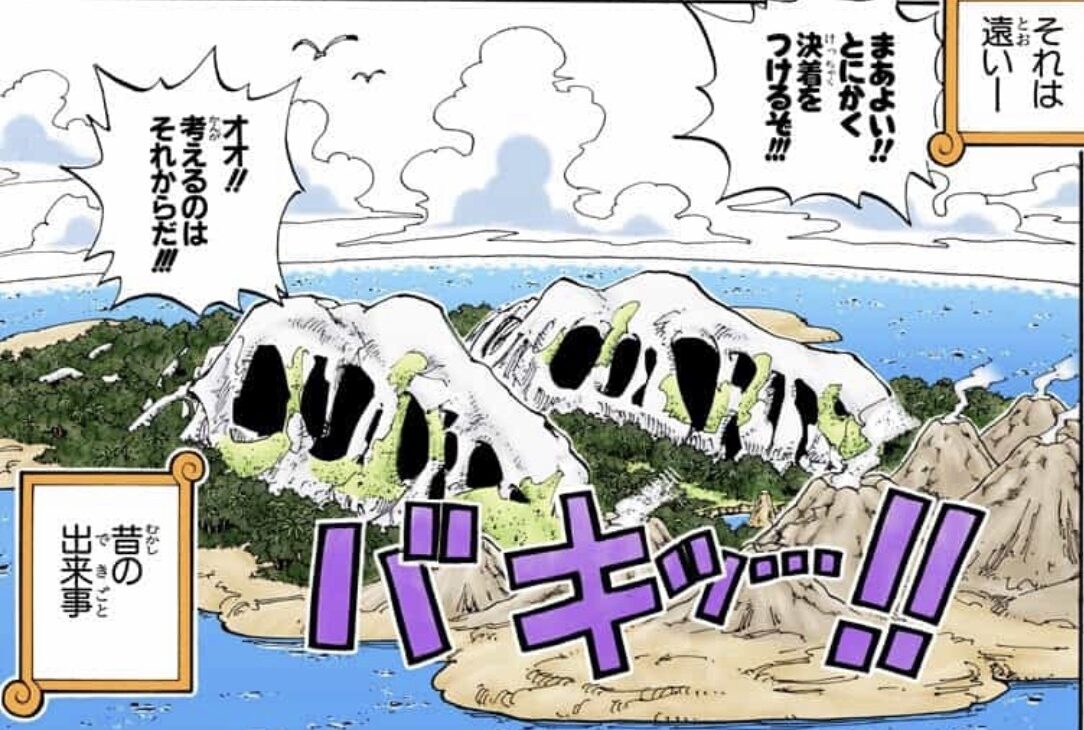
Little Garden is Canada: Why Vikings Are on a Prehistoric Island (Real History Explains It)
-
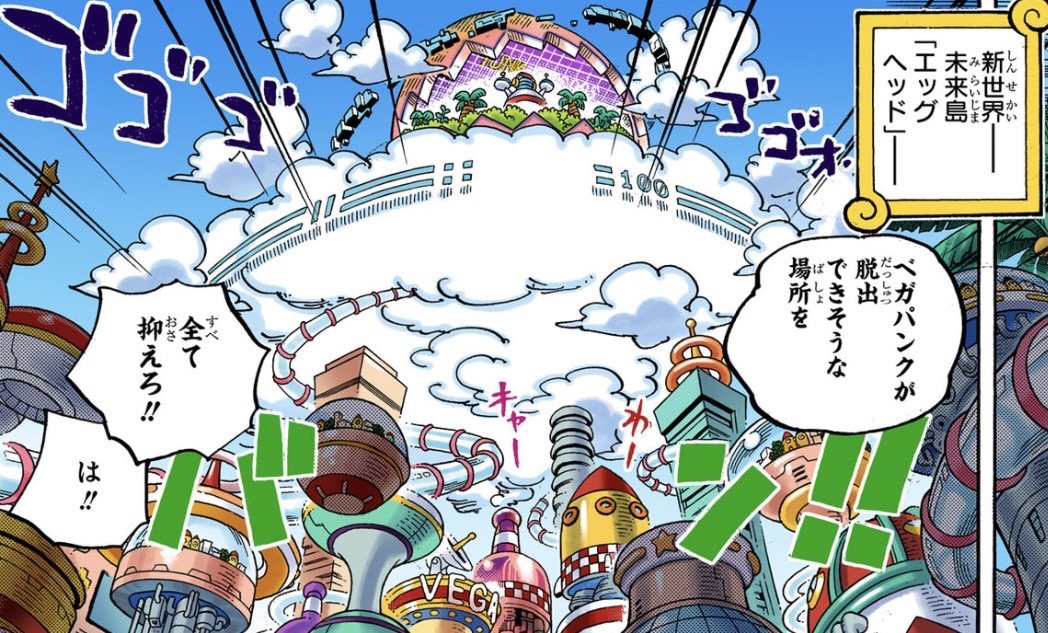
Egghead is Silicon Valley: Apple Park, 500 Years of Future Technology, and the Vegapunk Model
-
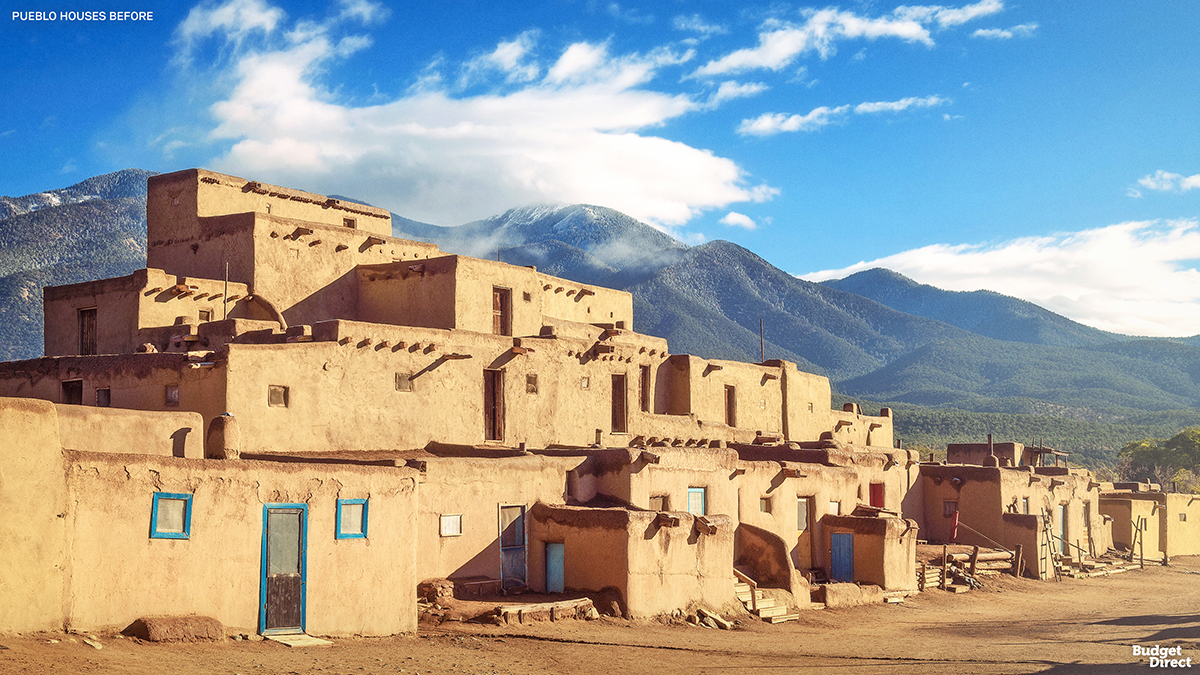
Whiskey Peak is Taos Pueblo: Miss Monday is Geronimo and the Taos Revolt is in One Piece
-
Nika Means Marriage: The Linguistic Theory Behind One Piece’s Ending
-
Fishman Island is China and France: The Temple of Heaven and the Place de la Concorde
-
One Piece History is Real History: Every Arc Mirrors an Actual Historical Event
-
Enies Lobby is Venice: The Bridge of Sighs and the World Government’s Secret Courts
-
One Piece History and Mythology: The Real World Behind Every Arc
-

Shanks’ True Name Is Figarland: Norse Mythology’s Tyr, Niflheim, and One Piece’s Three-Root World Map
-
Im and Joyboy: 800 Years of Lovesickness, Heimdall, and ‘It’s Too Early for a Gimlet’
-
Blackbeard Pirates and Their Real-World Inspirations
-
Genesis References in One Piece: A Biblical Parallel
-
Oda’s Favorite Musicians: The Real-World Inspirations Behind One Piece Characters
-
![Chapter 1158 “Rocks vs. Harald” [Egghead Homage: Connecting God Valley, Shakky, and the Future of Moria]](https://yasaoblog.fun/en/wp-content/uploads/2026/07/IMG_4740-2.webp)
Chapter 1158 “Rocks vs. Harald” [Egghead Homage: Connecting God Valley, Shakky, and the Future of Moria]
-
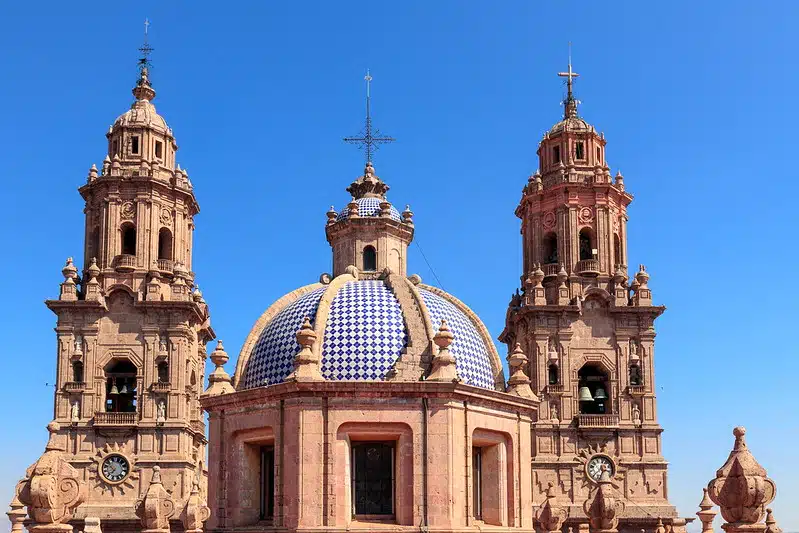
The Sorbet Kingdom Was Modeled After Michoacán, Mexico
-
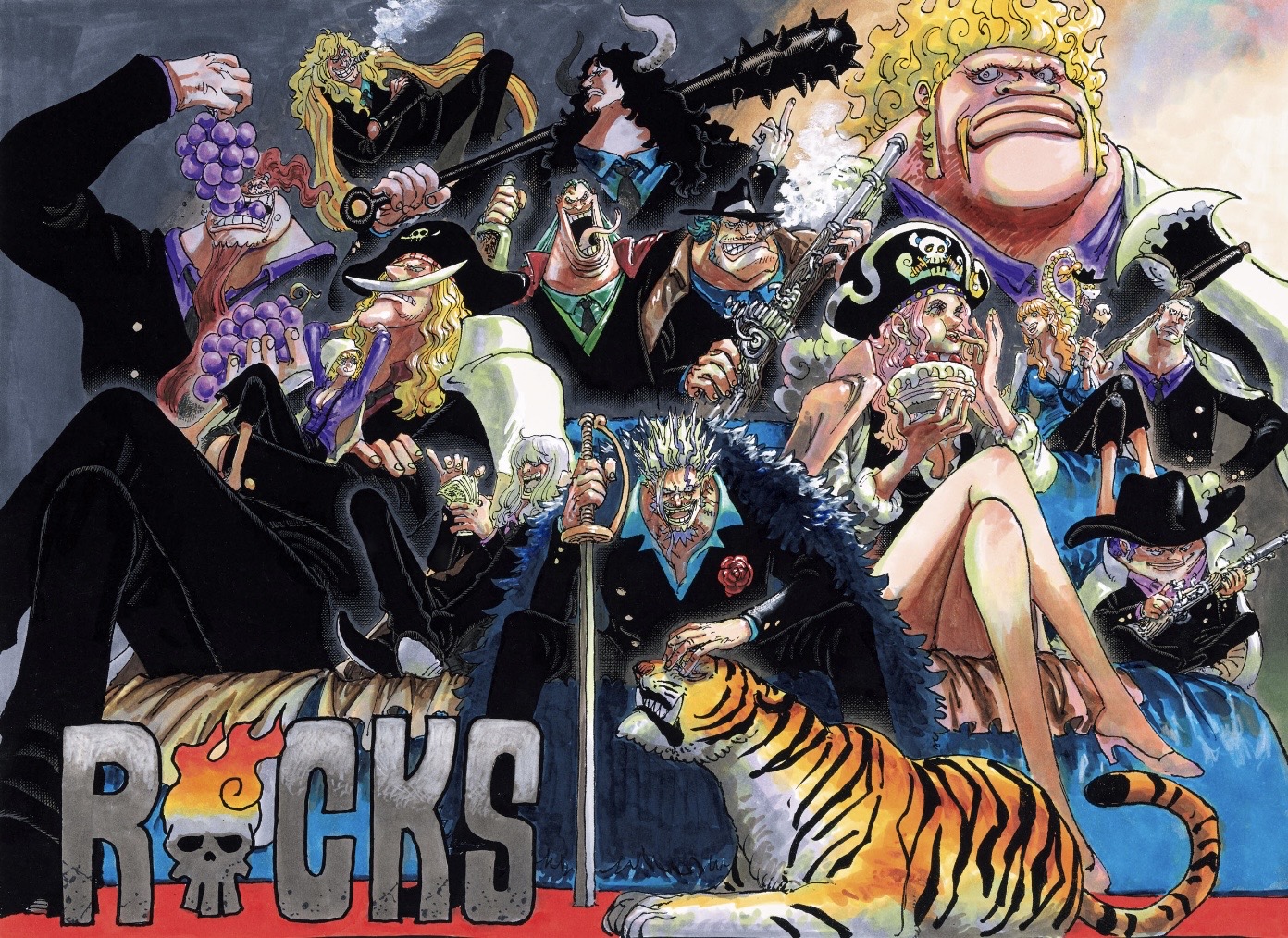
The Legendary Rocks Pirates: Full Member Breakdown and History
-
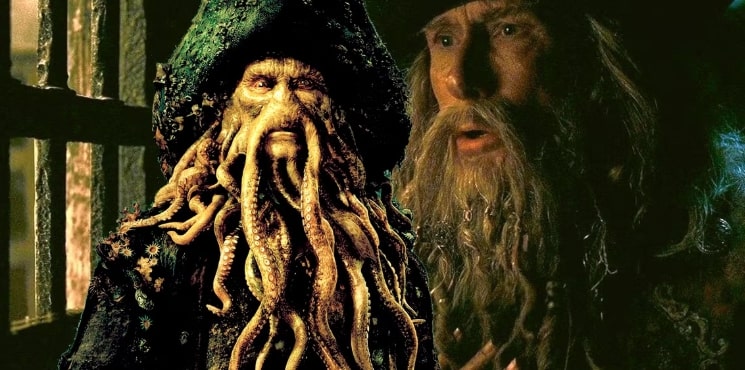
Who Is Davy Jones, the Pirate Rocks Worships?