The Grand Line in the Real World: Every One Piece Island Has a Real Location
Every island in One Piece is built from a specific real-world location — a country, city, or landscape that Eiichiro Oda researched and folded into the geography of the Grand Line. This isn’t coincidence or loose inspiration: the architecture, climate, culture, and even the food on each island trace back to a real place.
This series identifies each island’s real-world model and explains what Oda took from it — and what that means for the story.
Start Here: The Complete Map
The Real Grand Line: Every One Piece Island Mapped to Its Real-World Location
The master guide mapping every known island on the Grand Line to its real geographic counterpart. Use this as your reference, then dive into individual islands below.
Island Deep Dives
- Water Seven is Venice: Aqua Laguna, the Galley-La Shipyard, and the City That Sinks — The Aqua Laguna is the acqua alta. Iceburg is based on a real Venetian heritage preservationist. The city sinking into the sea is not fiction.
- Dressrosa is Spain: The Name Was Always the Answer — Dressrosa’s name, architecture, corrida arena, and SMILE factories all trace to specific Spanish places and history.
- Drum Island is Canada: Alberta’s Badlands, Drumheller, and the Real Disease Behind Nami’s Fever — The island’s real-world model is the Canadian Rockies, and Nami’s illness maps to a documented disease from the region.
Geography Meets History
Geography and history are inseparable in One Piece. Every island has not just a real location, but a real historical event that shaped its arc. For the political and historical background behind what happened on each island, see the History & Mythology section.
The Character Origins series shows how the people on each island — not just the places — trace back to real historical figures.
→ Browse the Weekly Chapter Analysis Index (Ch. 1127–1186) — for real-world geography and history in the latest chapters as they are published.
Browse All Articles
-
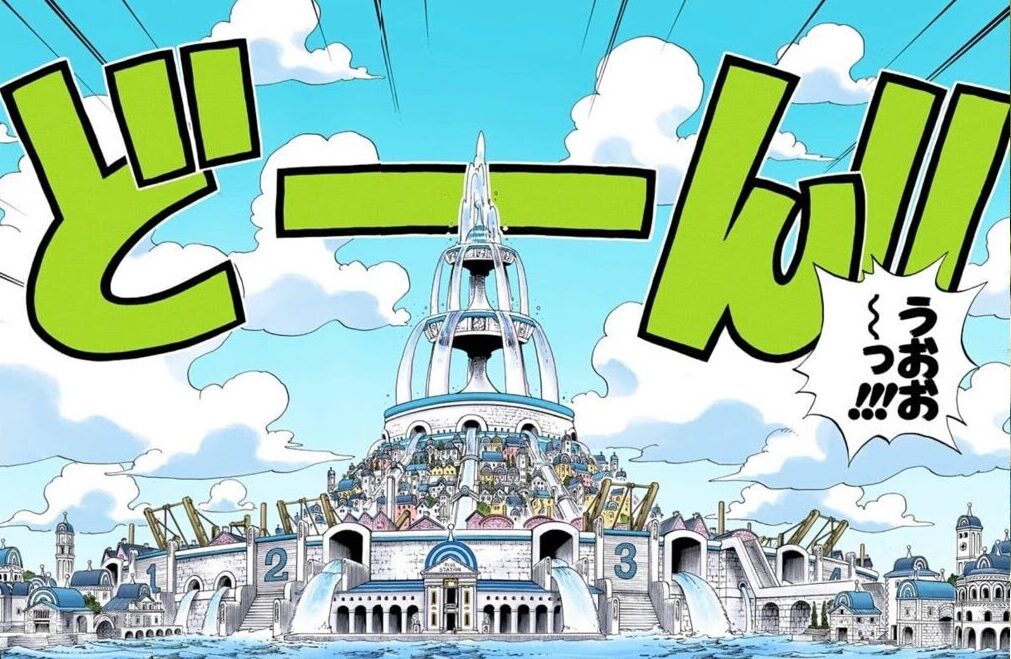
Water Seven is Venice: Aqua Laguna, the Galley-La Shipyard, and the City That Sinks
-
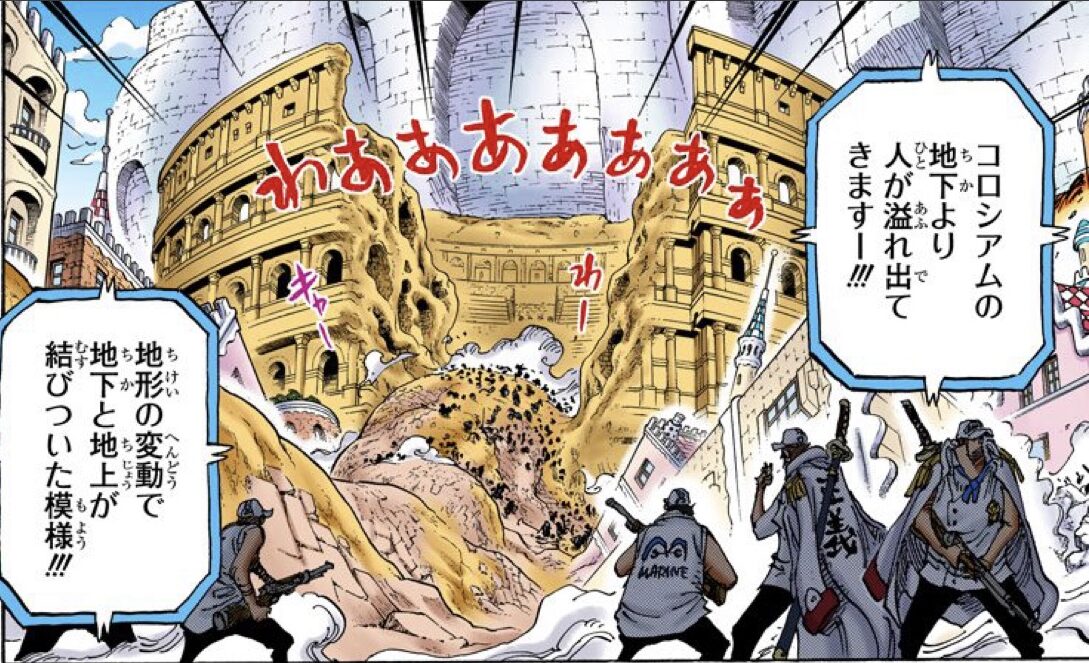
Dressrosa is Spain: The Name Was Always the Answer
-
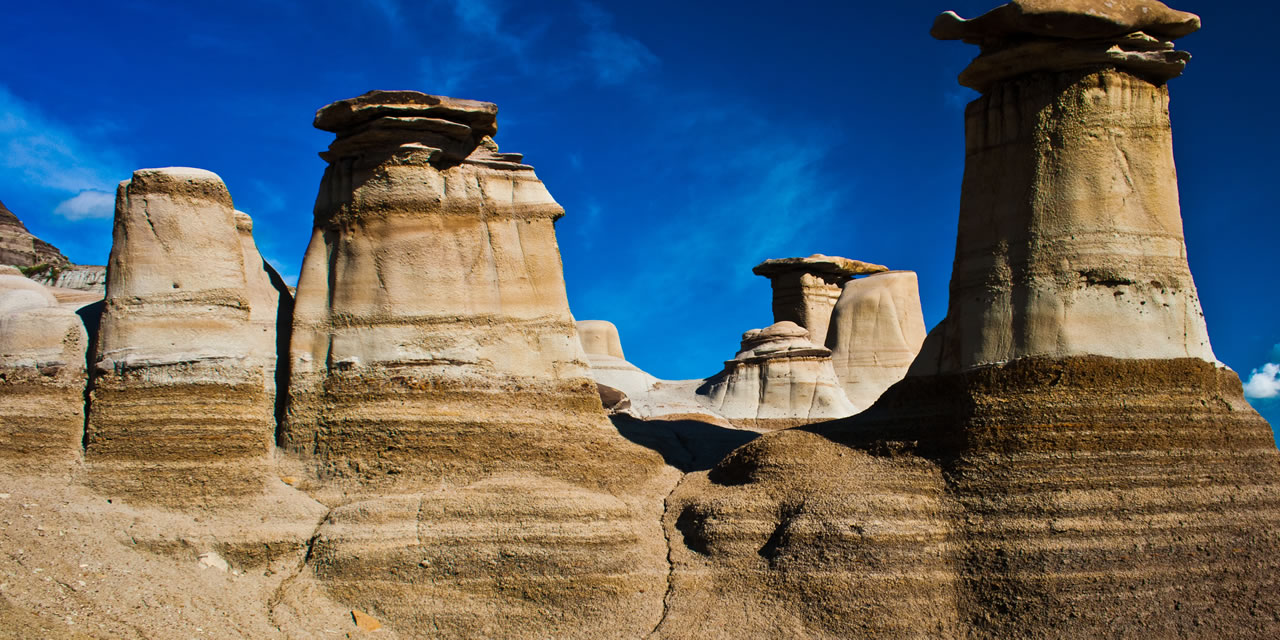
Drum Island is Canada: Alberta’s Badlands, Drumheller, and the Real Disease Behind Nami’s Fever
-
The Real Grand Line: Every One Piece Island Mapped to Its Real-World Location
-
The Grand Line in the Real World: Every One Piece Island Has a Real Location
-
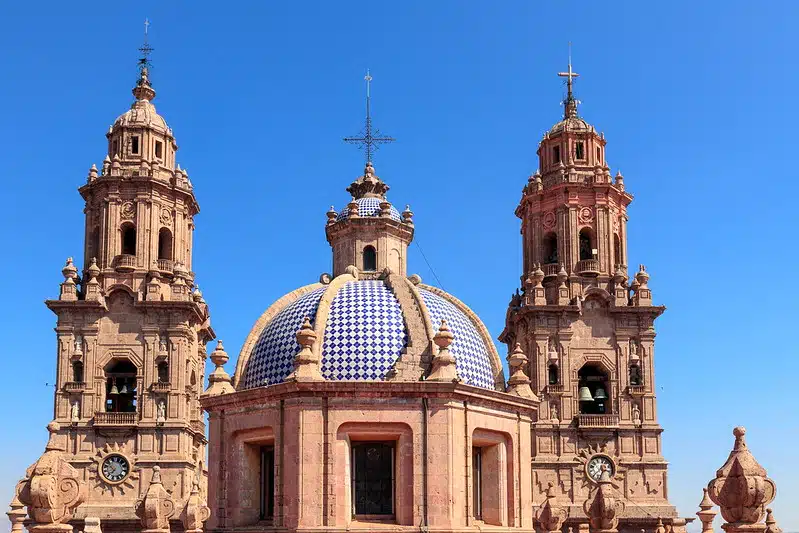
The Sorbet Kingdom Was Modeled After Michoacán, Mexico
-
![One Piece Legendary Weapons: All 19 Kings’ Swords Explained [Full List]](https://yasaoblog.fun/en/wp-content/uploads/2026/08/IMG_9547.webp)
One Piece Legendary Weapons: All 19 Kings’ Swords Explained [Full List]
-
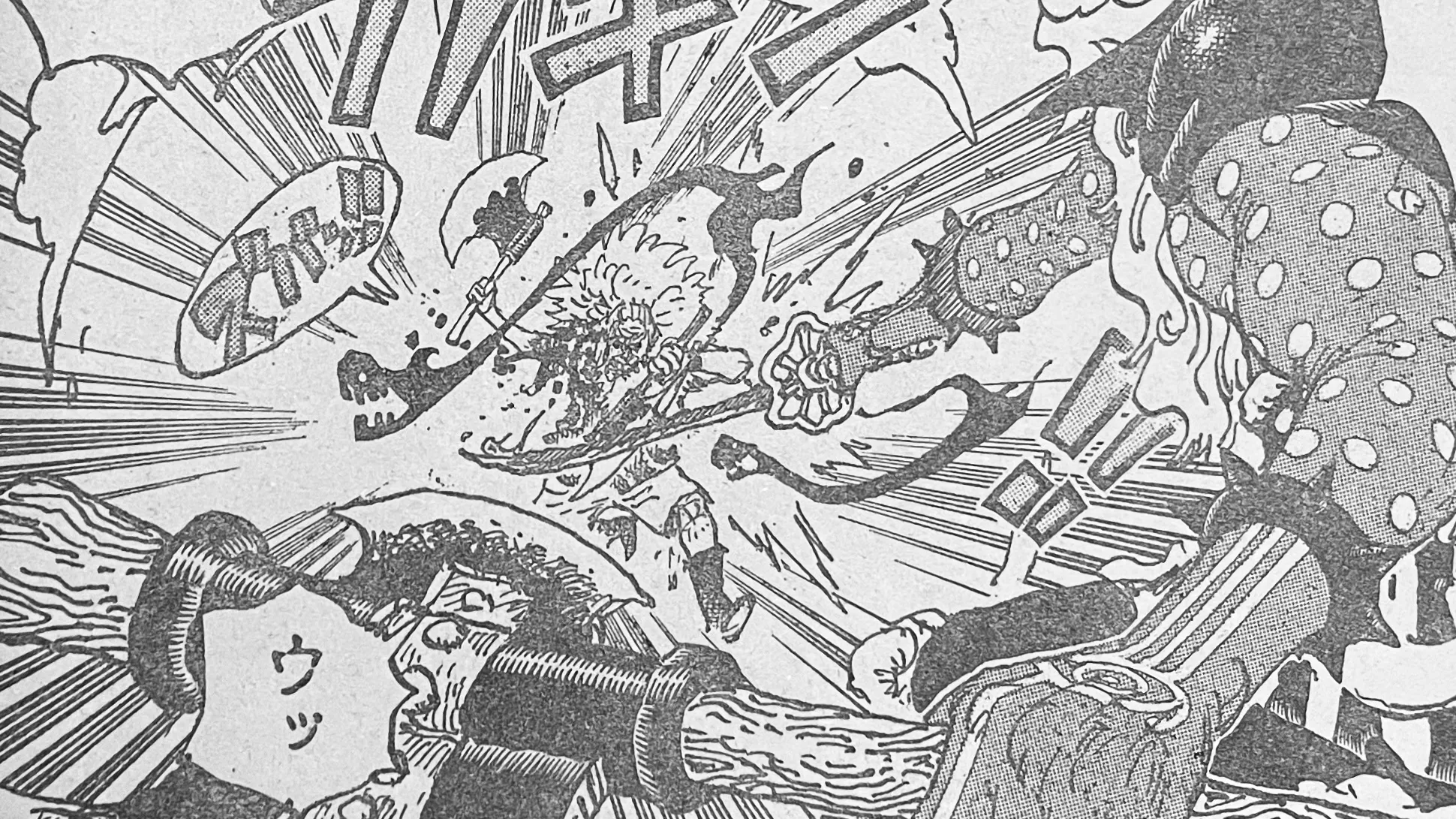
One Piece Theory Chapter 1190: Gaban’s Sacrifice and the True Meaning of Pirate King
-
![One Piece Theory Chapter 1191 – Spoilers & Prediction Thread [Discussion]](https://yasaoblog.fun/en/wp-content/uploads/2026/08/IMG_9589.webp)
One Piece Theory Chapter 1191 – Spoilers & Prediction Thread [Discussion]
-
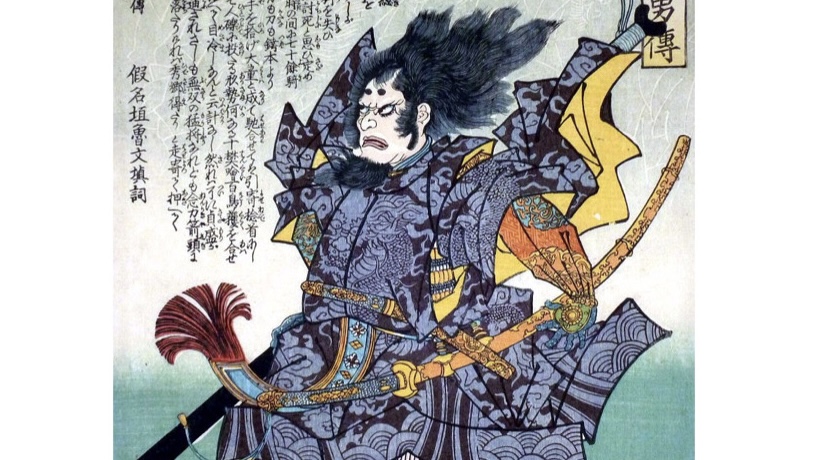
Taira no Masakado’s Curse Sealed Tokyo — Japan’s Most Feared Vengeful Spirit
-
![One Piece Theory Chapter 1191: Im’s Transformation Is Gear 4 Dressrosa [Spoilers Analysis]](https://yasaoblog.fun/en/wp-content/uploads/2026/08/IMG_9883.webp)
One Piece Theory Chapter 1191: Im’s Transformation Is Gear 4 Dressrosa [Spoilers Analysis]
-
![One Piece Theory Chapter 1191 | Im’s Devil Fruit Identity: Lunarian × Demon Race [Spoilers]](https://yasaoblog.fun/en/wp-content/uploads/2026/08/IMG_9866-1.webp)
One Piece Theory Chapter 1191 | Im’s Devil Fruit Identity: Lunarian × Demon Race [Spoilers]
-
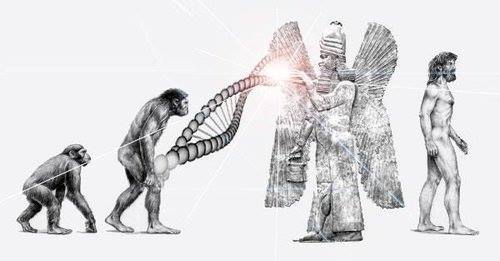
Was Humanity Created by Aliens? One Piece and the Anunnaki Theory
-
![Harald and the God Valley Incident Timeline | Rocks, Shanks, Loki — The History That Connects Them [One Piece Film God Valley]](https://yasaoblog.fun/en/wp-content/uploads/2026/08/IMG_6505.jpg)
Harald and the God Valley Incident Timeline | Rocks, Shanks, Loki — The History That Connects Them [One Piece Film God Valley]
-

One Piece Theory: Who Is Mosa-kou? Shirahoshi’s Identity and Poseidon Awakening
-
![One Piece Theory Chapter 1192: Predictions & Spoilers Thread [Comments Open]](https://yasaoblog.fun/en/wp-content/uploads/2026/09/IMG_9589.webp)
One Piece Theory Chapter 1192: Predictions & Spoilers Thread [Comments Open]
-
![One Piece Chapter 1192 Spoilers: “We Won’t Allow It!!” [Early Leak]](https://yasaoblog.fun/en/wp-content/uploads/2026/09/IMG_0077.jpg)
One Piece Chapter 1192 Spoilers: “We Won’t Allow It!!” [Early Leak]
-
![Chapter 1192 “We Won’t Allow It!!” | The Meaning Behind Usopp’s Battle Cry & Luffy’s New Move [Elbaf Theory]](https://yasaoblog.fun/en/wp-content/uploads/2026/09/IMG_0115.webp)
Chapter 1192 “We Won’t Allow It!!” | The Meaning Behind Usopp’s Battle Cry & Luffy’s New Move [Elbaf Theory]
-
![One Piece Chapter 1193 Predictions | Spoilers & Fan Theories [Comments Open]](https://yasaoblog.fun/en/wp-content/uploads/2026/09/IMG_9589-1.webp)
One Piece Chapter 1193 Predictions | Spoilers & Fan Theories [Comments Open]
-
![One Piece Chapter 1193 Spoilers | “Training” Full Summary [Latest Chapter]](https://yasaoblog.fun/en/wp-content/uploads/2026/09/IMG_0512-scaled-2.jpg)
One Piece Chapter 1193 Spoilers | “Training” Full Summary [Latest Chapter]
-
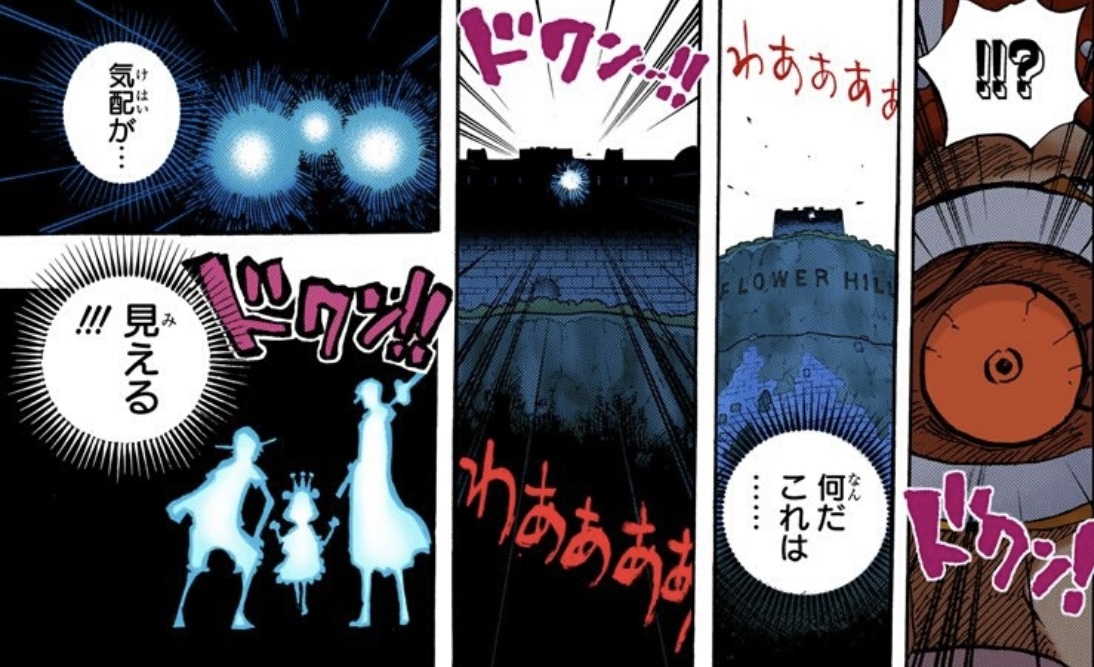
Can Usopp Use Miengoroshi? Gaban’s Question in One Piece Explained
-
![One Piece Chapter 1193 ‘Still in Training’ | Loki’s Beast Form & Zoro’s Conqueror’s Haki [Spoilers]](https://yasaoblog.fun/en/wp-content/uploads/2026/09/IMG_0562.webp)
One Piece Chapter 1193 ‘Still in Training’ | Loki’s Beast Form & Zoro’s Conqueror’s Haki [Spoilers]
-
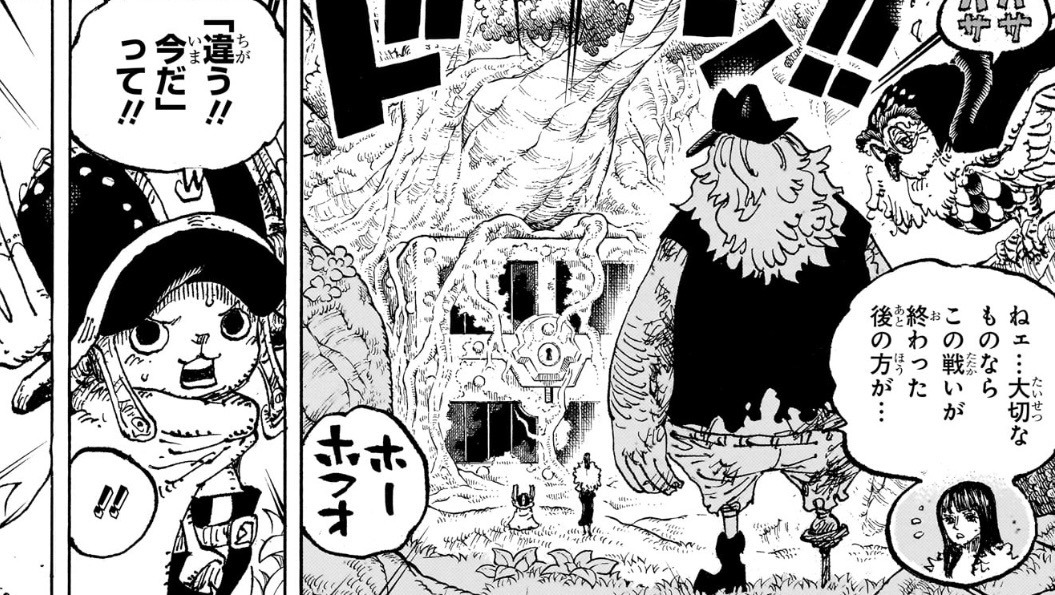
One Piece Theory: Is Biblo’s Tool an Ancient Weapon? | Chopper & Robin Awakening
-
![One Piece Theory Chapter 1194 — Predictions Thread [Comments Open]](https://yasaoblog.fun/en/wp-content/uploads/2026/09/IMG_9589-2.webp)
One Piece Theory Chapter 1194 — Predictions Thread [Comments Open]
-
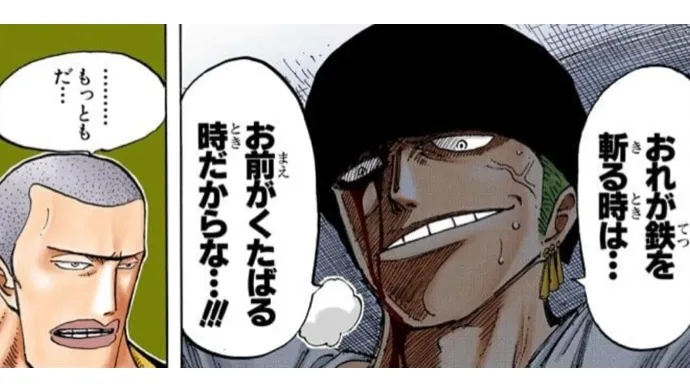
Zoro’s Best Fights Ranking | One Piece TOP Battles Complete List
-
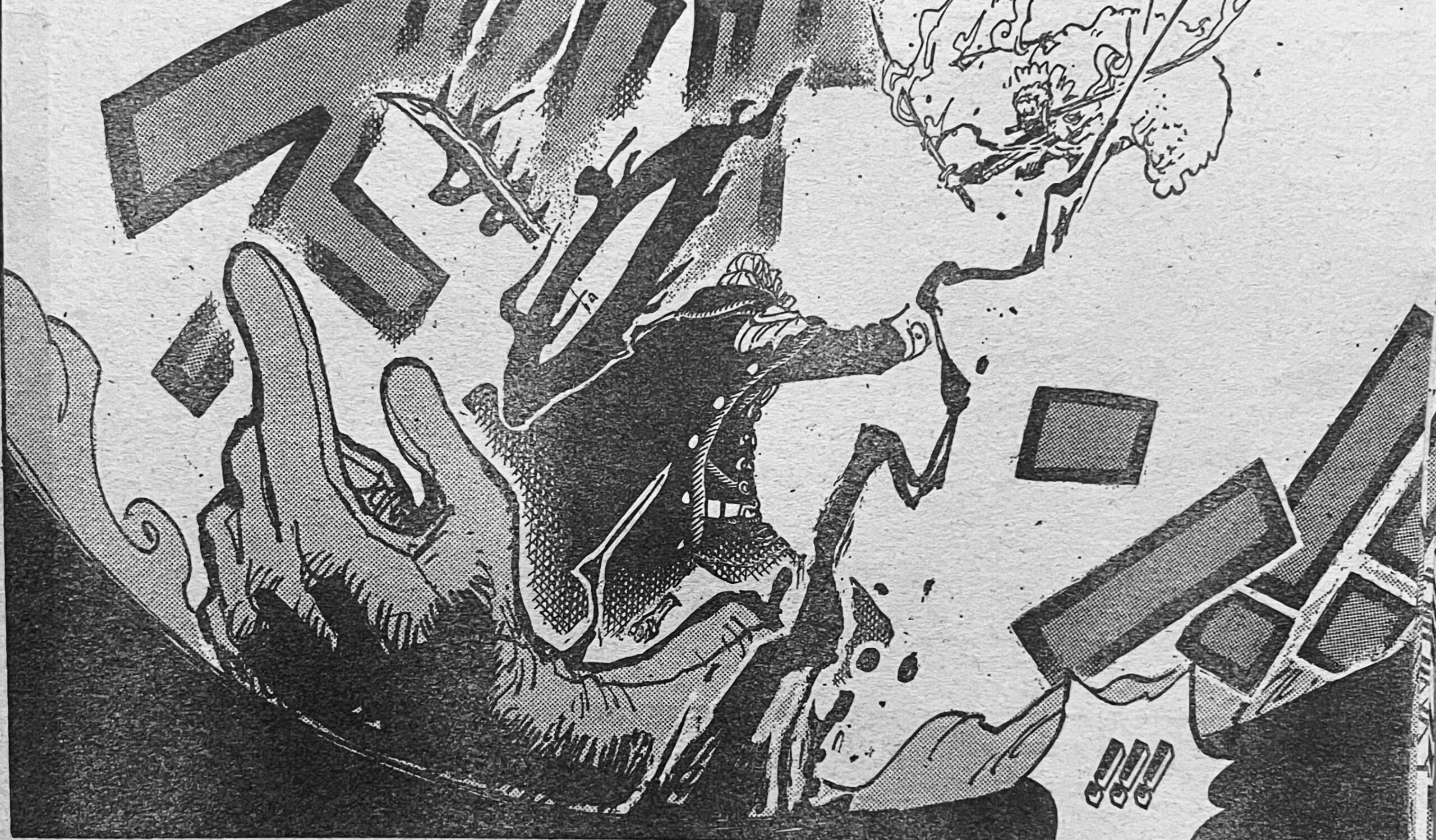
One Piece Chapter 1194 Spoilers: “All Things Must Change” — Zoro Awakens Conqueror’s Haki
-
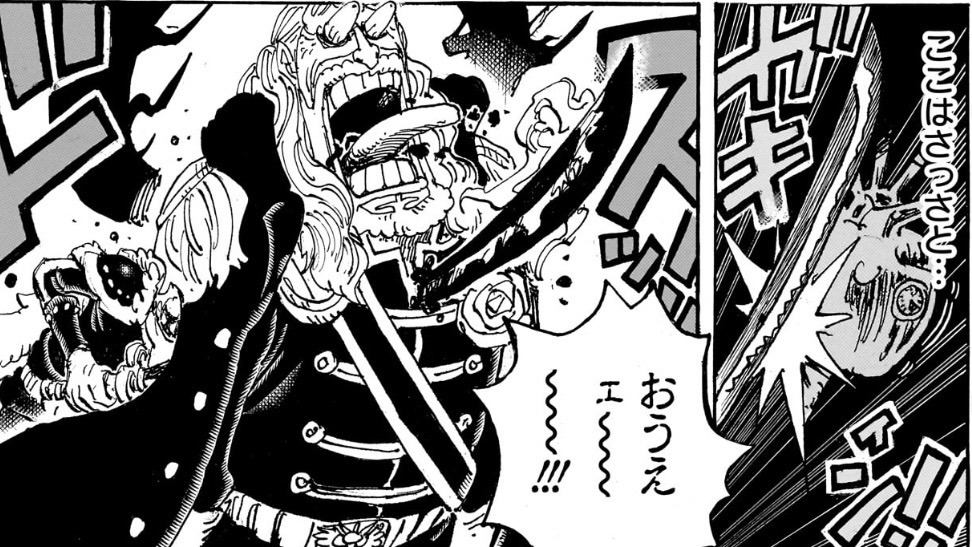
One Piece Theory Chapter 1194: Hidden Meanings in “All Things Must Change” — Zoro, Nami & Teach
-
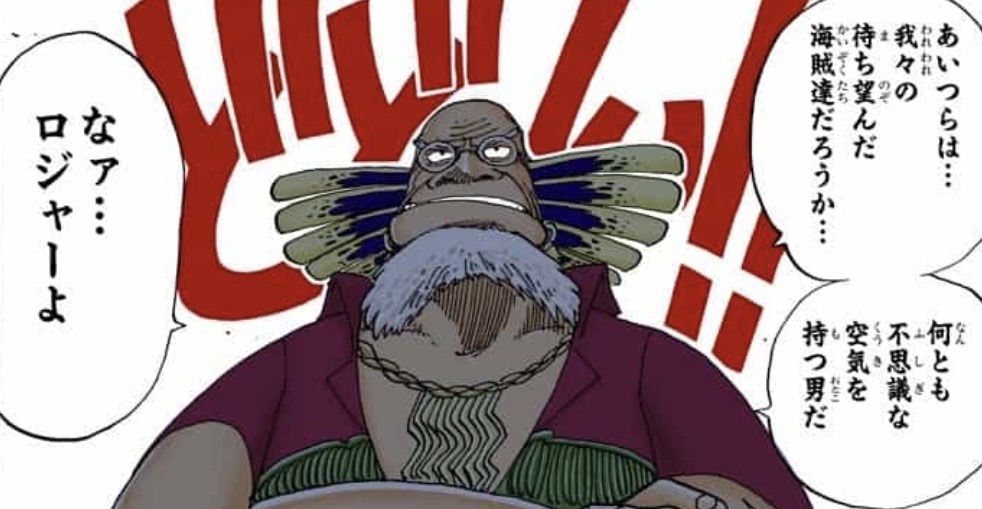
Joy Boy’s Words at Laugh Tale: The Man Roger’s Crew Awaited
-
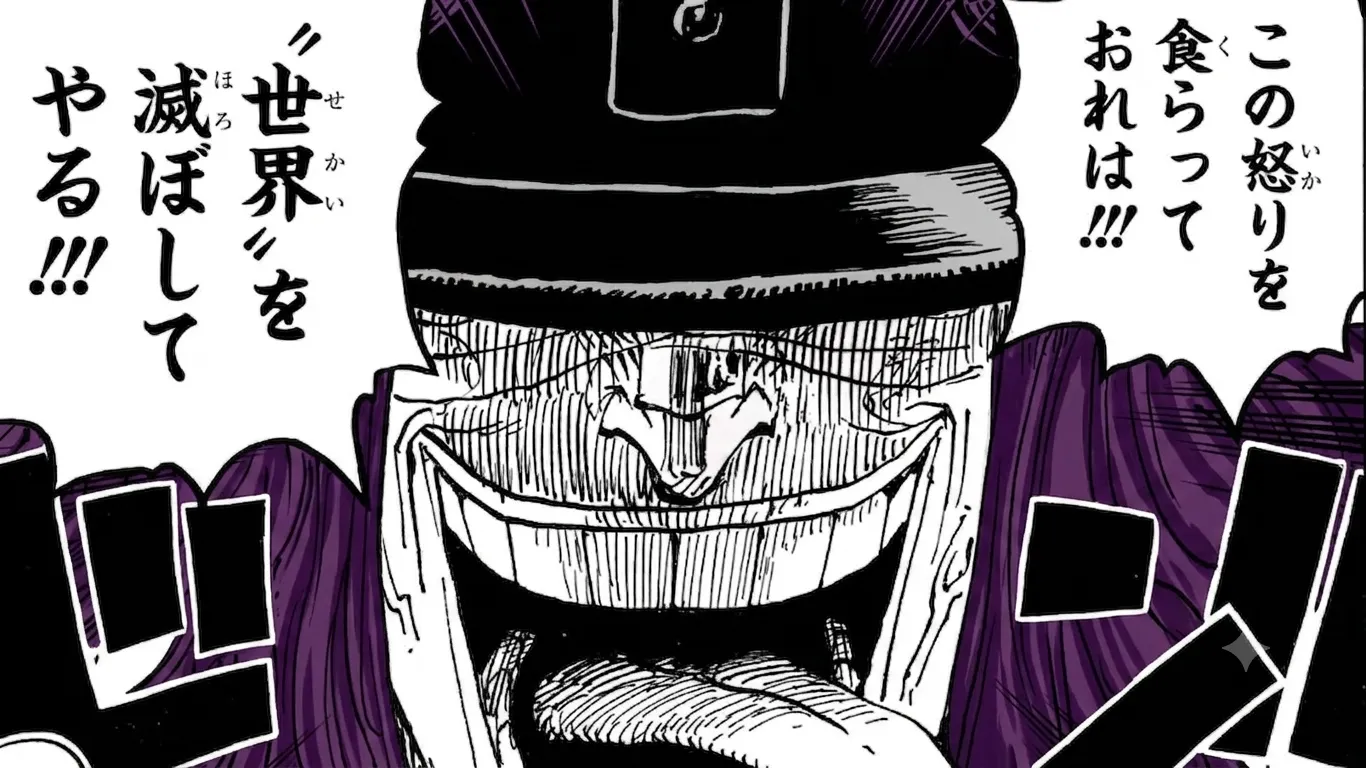
One Piece Theory: Prince Loki of Elbaf | Devil Fruit, Norse Mythology & Sun God Mystery
-
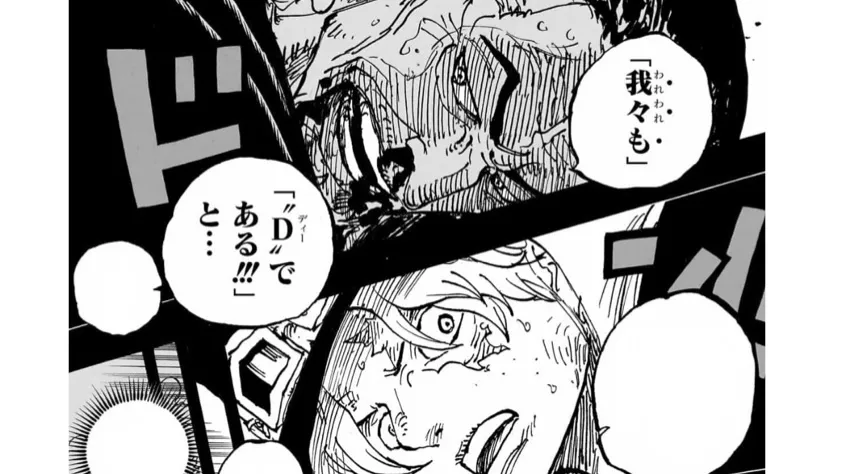
One Piece Theory: The “D” Clan — The Monkey Family All Have Demon Names
-
One Piece Theory: Can Ragnil Wield 5 Elemental Powers? The Norse Mythology Analysis
-
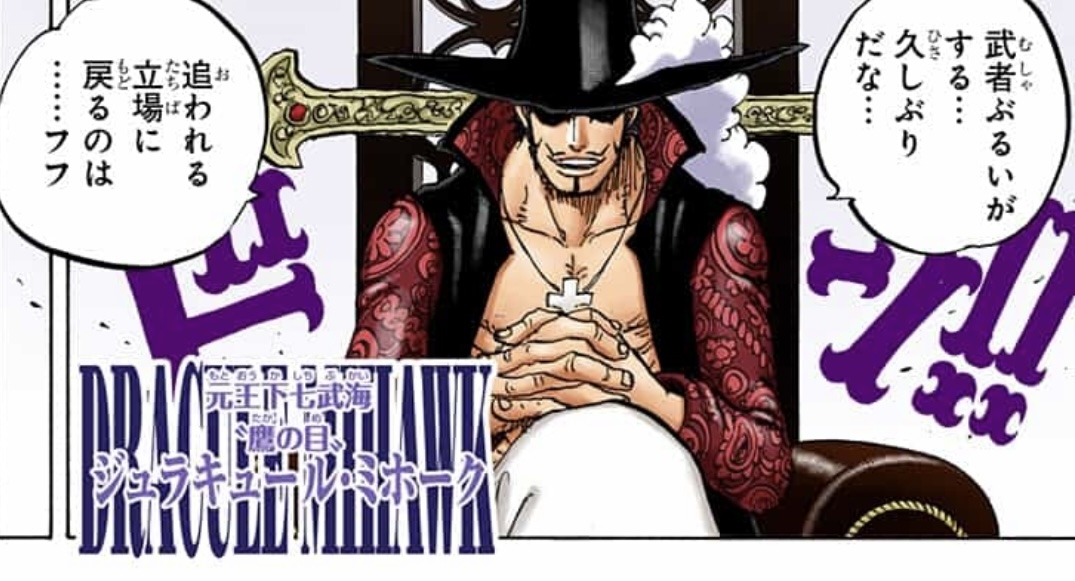
Everything About Mihawk: Night and Dawn | One Piece Theory
-
![Yamato’s Cover Art Series Explained [Part 2] | One Piece Theory](https://yasaoblog.fun/en/wp-content/uploads/2026/10/IMG_4613.jpg)
Yamato’s Cover Art Series Explained [Part 2] | One Piece Theory
-
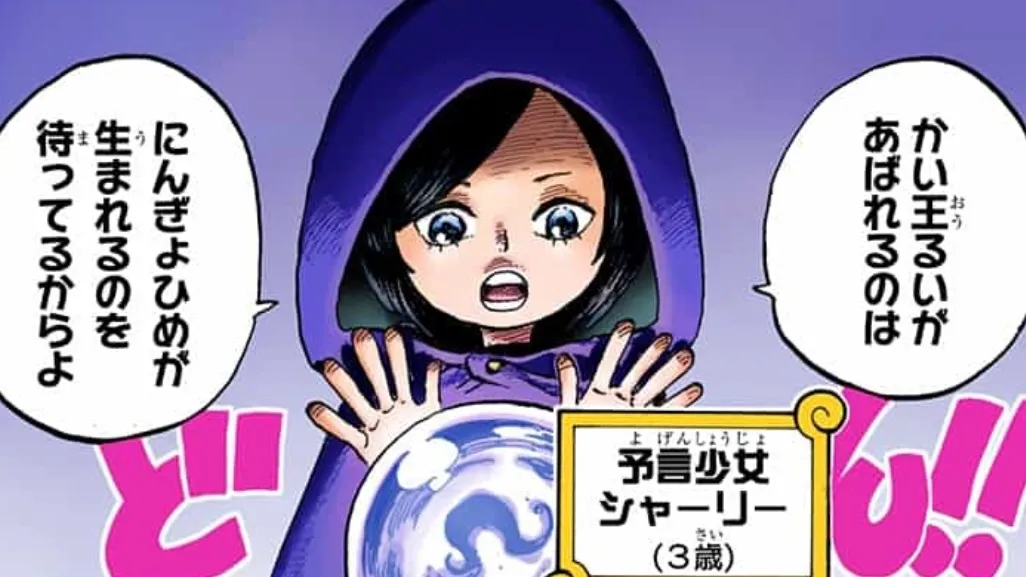
Roger’s Technique Names Lead to the Void Century & Yamataikoku | One Piece Theory
-
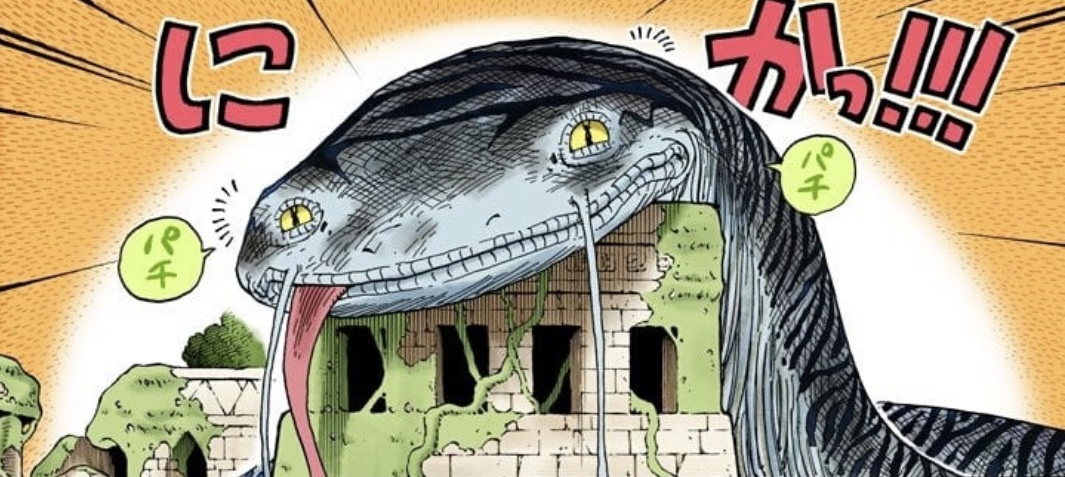
Loki’s Power is the Snake-Snake Fruit, Mythical Zoan — Snakes Are God’s Natural Enemy | One Piece Theory
-
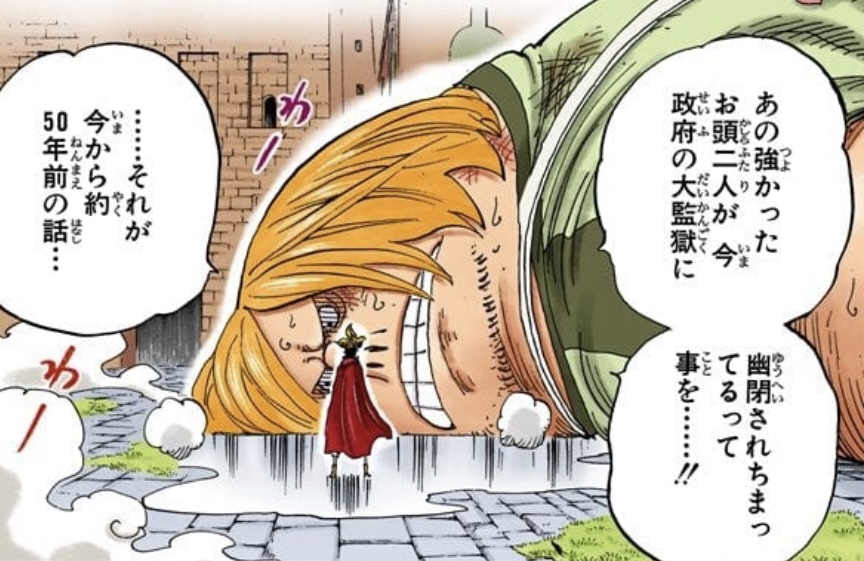
Why King Harald Fought Loki — It’s All Because of Oimo and Kashi | One Piece Theory
-
![Yamato and Luffy’s Adventures Are Linked [Part 1] — Cover Art Series Analysis | One Piece Theory](https://yasaoblog.fun/en/wp-content/uploads/2026/10/IMG_0918.jpg)
Yamato and Luffy’s Adventures Are Linked [Part 1] — Cover Art Series Analysis | One Piece Theory
-
One Piece Timeline from Wano: Shanks vs. Bartolomeo | Theory
-
One Piece Gags Are Rakugo Punch Lines — 12 Techniques Explained
-
What Kuma and Merry Have in Common — Will Kuma Return Like the Mini Merry?
-
What Is a Kyokaku? One Piece Is a Ninkyo Manga
-
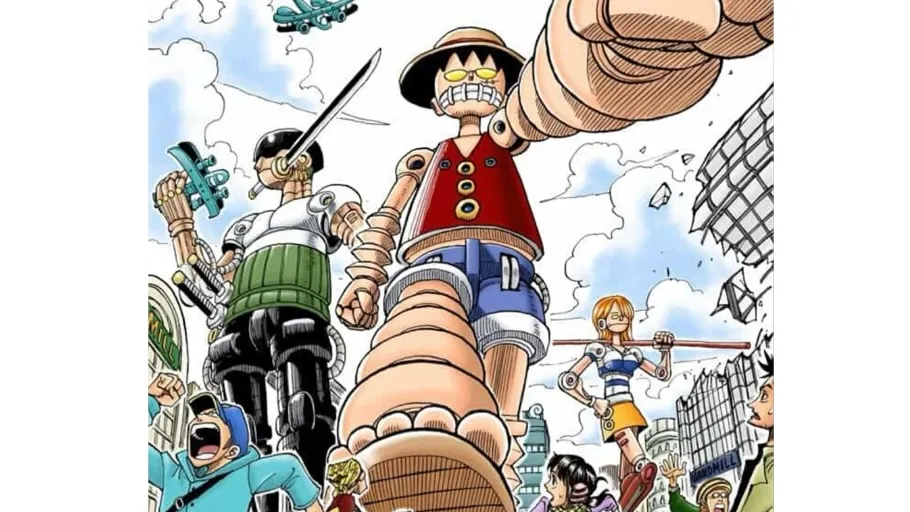
Luffy Finally Becomes a Robot?! Predicting the Egghead Arc Endgame — All Foreshadowing Explained
-
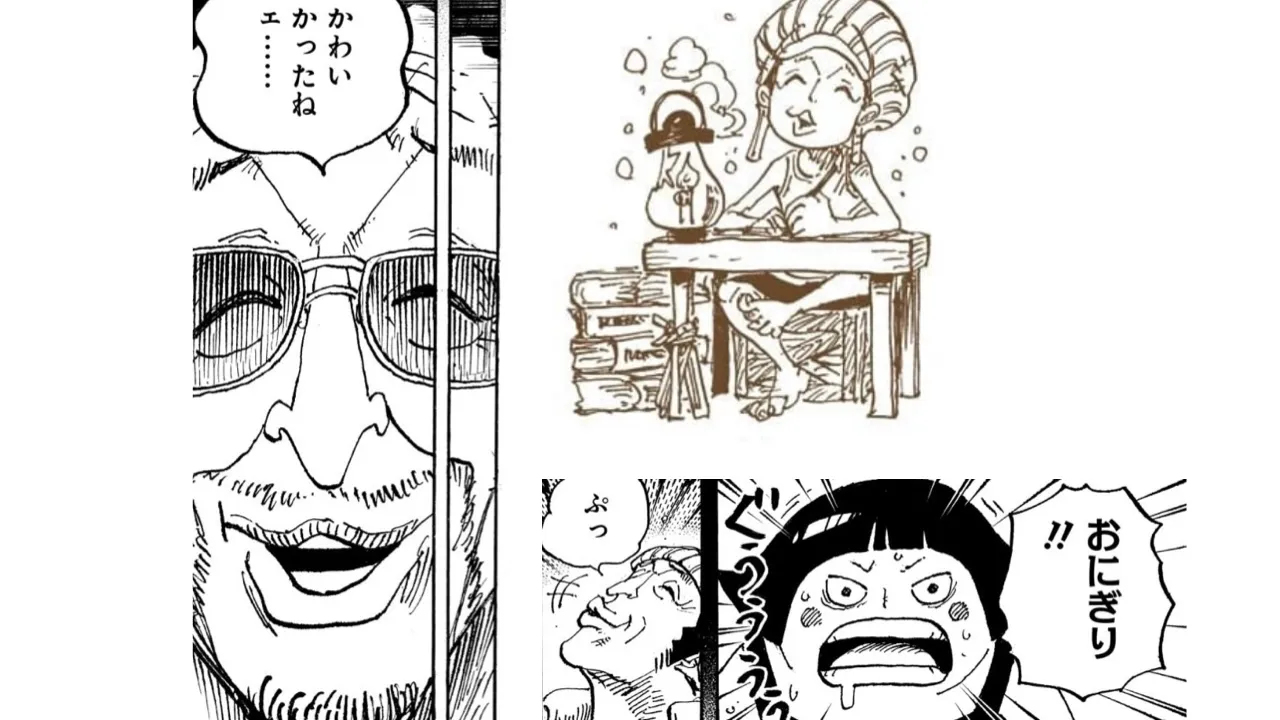
Kizaru’s Reformation Is Coming! The Monkey-Crab Battle and Whole Cake Island Homage in ONE PIECE
-
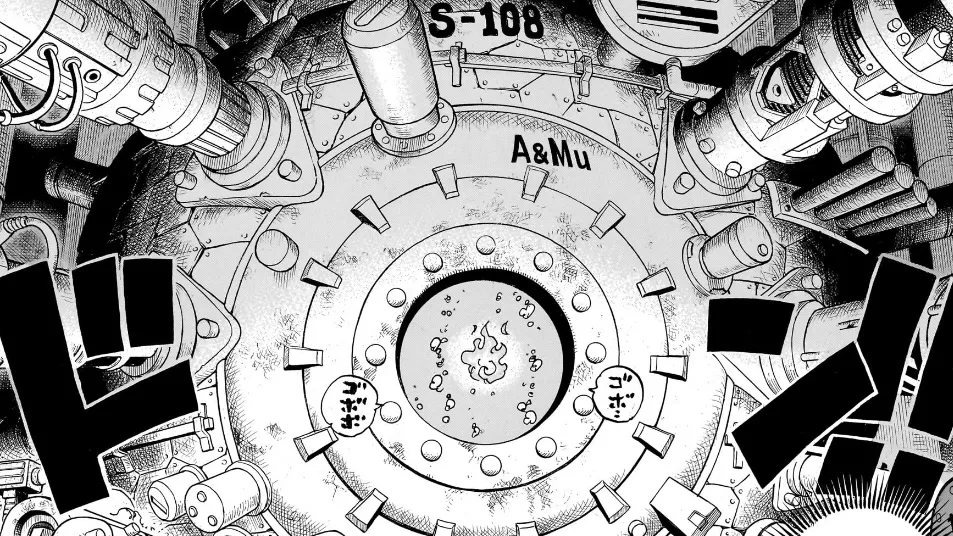
One Piece Theory: How the Mother Flame Is Made — Enies Lobby Foreshadowing Explained
-
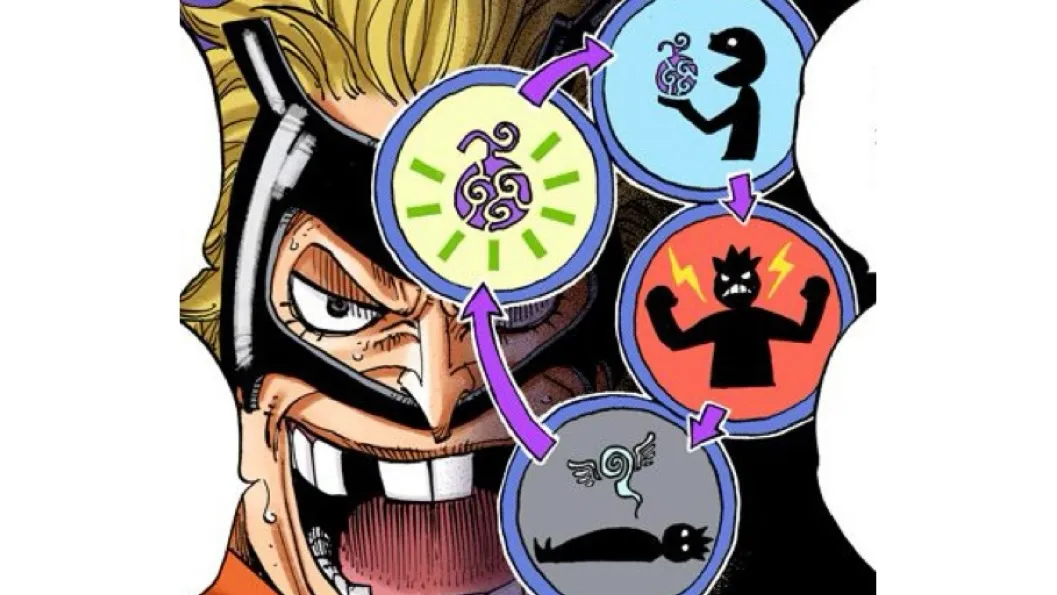
One Piece Theory: Vegapunk’s Nomi Nomi no Mi Persists After Death — The Definition of Death
-
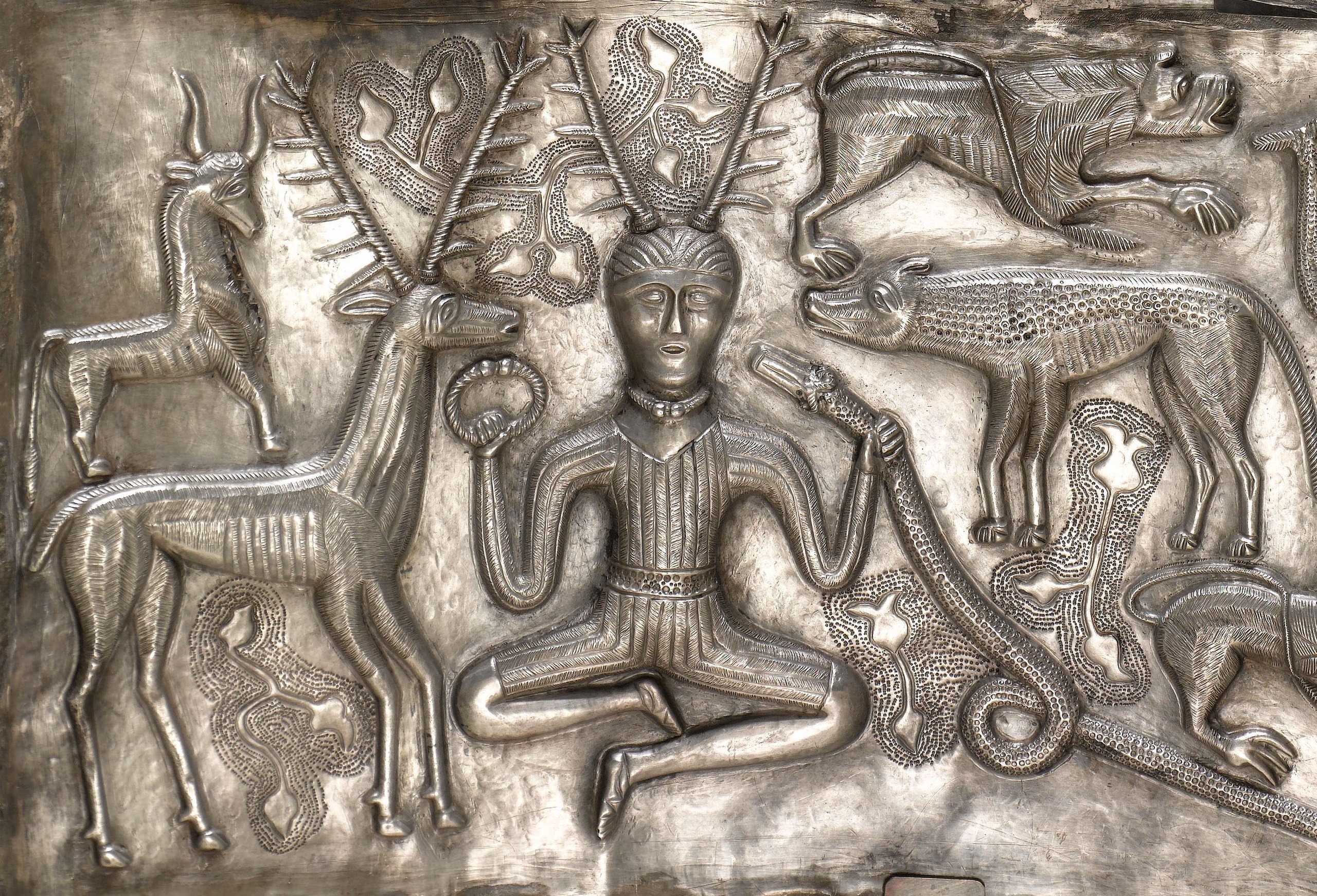
One Piece Theory: Chopper’s True Power Is Mythical Zoan Cernunnos — From Norse to Celtic Mythology
-
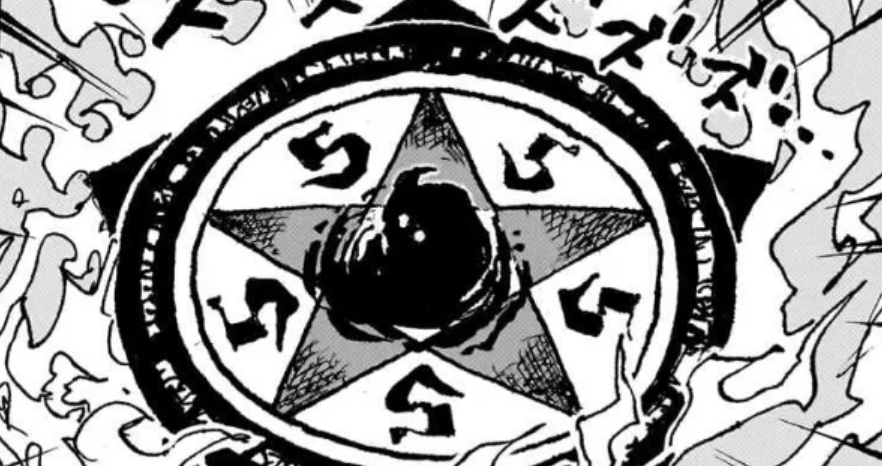
One Piece Theory: The Five Elders, the Pentagram, and Yin-Yang Five Elements — Gosekku and Zoro’s Birthday
-
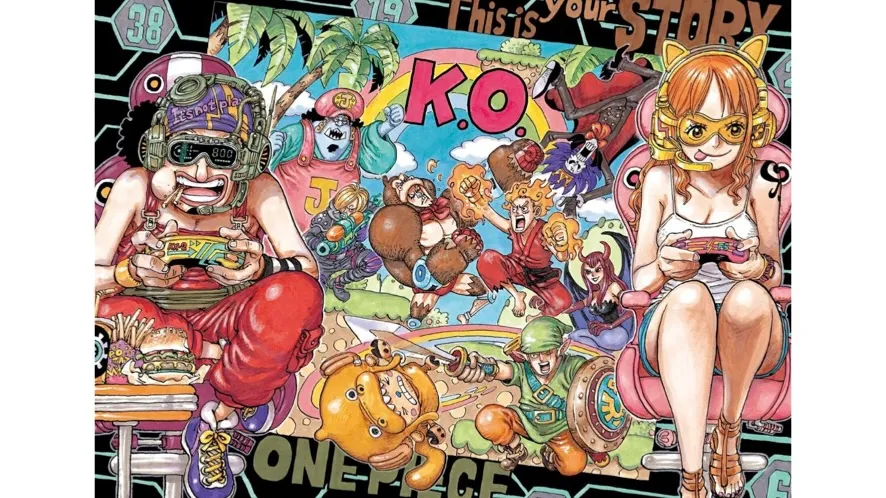
One Piece Theory: Is Elbaf Inspired by Romancing SaGa? Nordic Mythology, Final Fantasy, and the SNES RPG Roots of One Piece
-
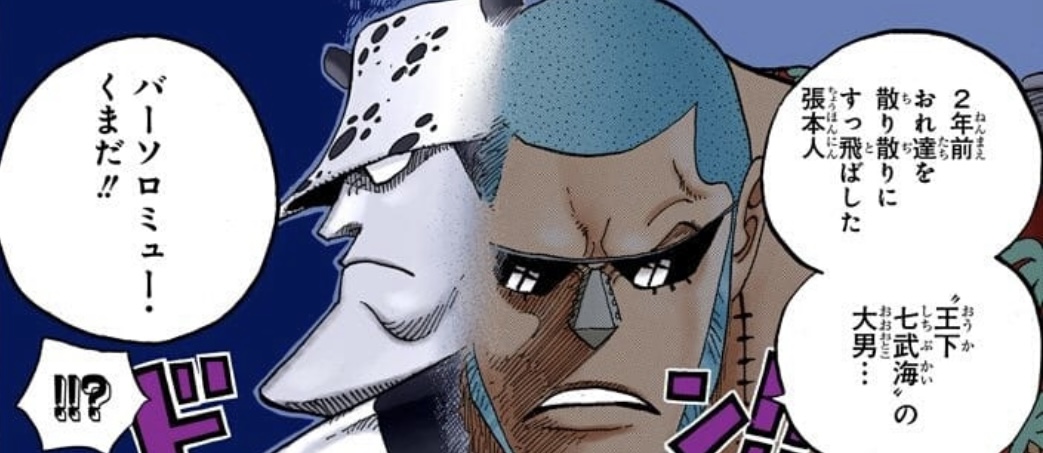
One Piece Theory: Franky Will Inherit Kuma’s Nikyu Nikyu — Egghead Is the New Baldimore
-
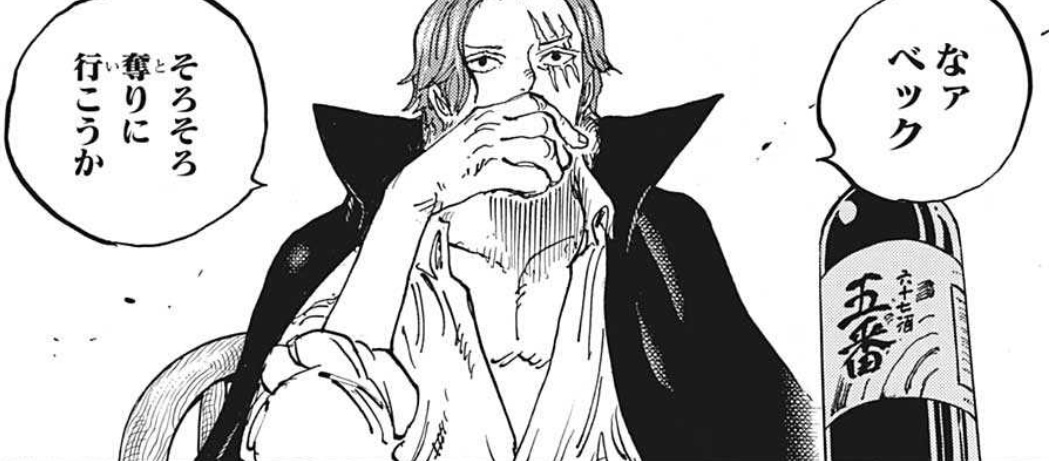
One Piece Theory: After Elbaf, Luffy Will Fight Shanks on the “Ice Island” for the Final Road Poneglyph
-
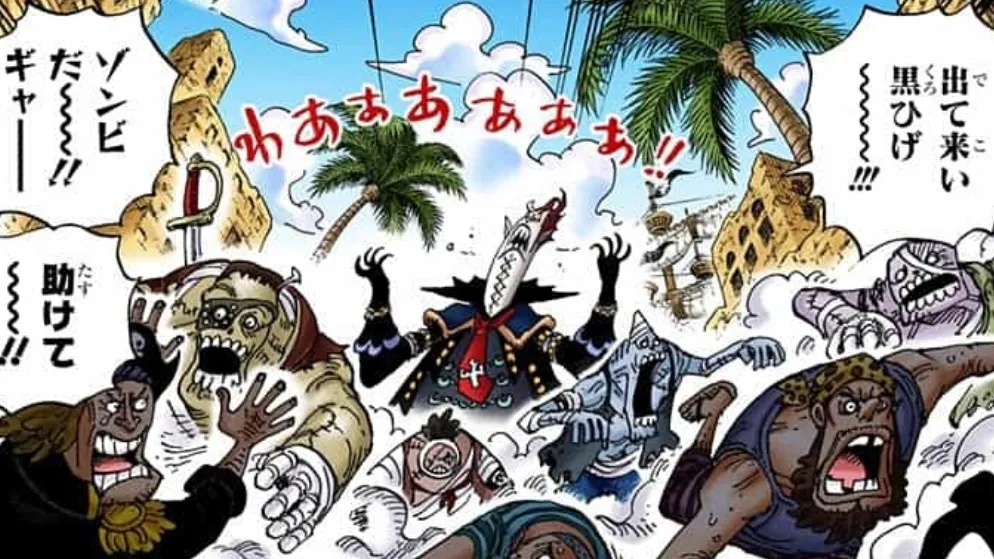
One Piece Theory: Will Moria Join Blackbeard’s Crew? — The Conditions for New Emperors
-
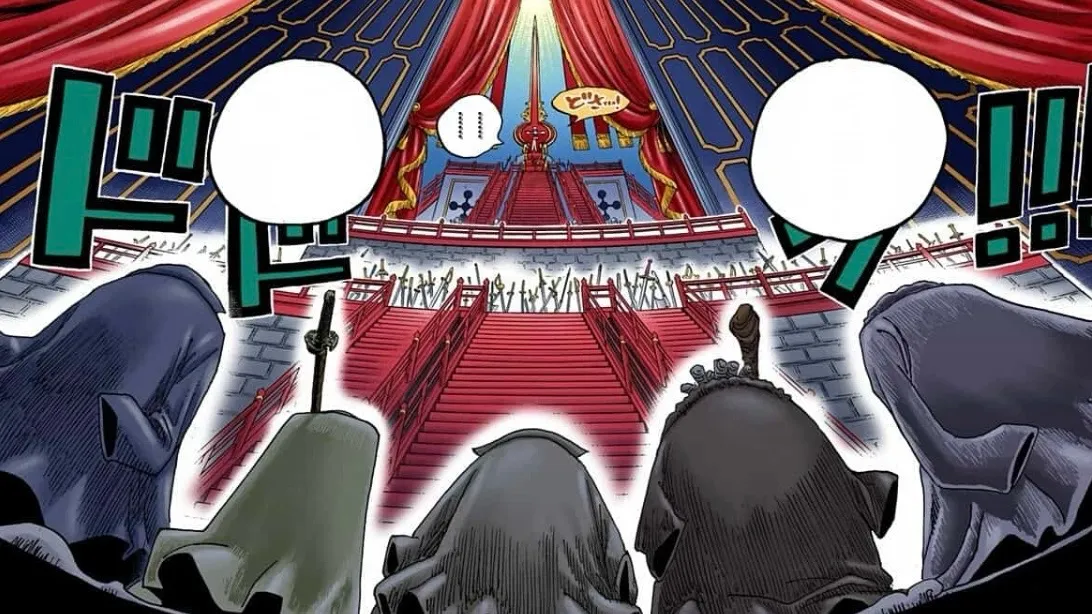
Im-sama’s Devil Fruit Revealed: The Polar Star Symbolized by the Draco Constellation 5,000 Years Ago
-
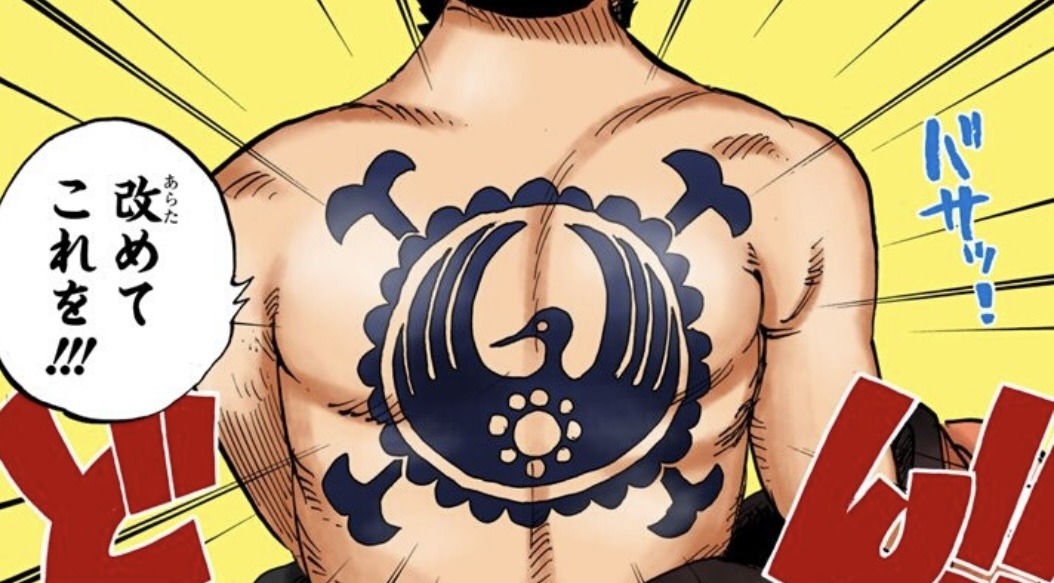
Kozuki Family Crest Meaning: 4 Perfectly Calculated Emblems | One Piece Theory
-
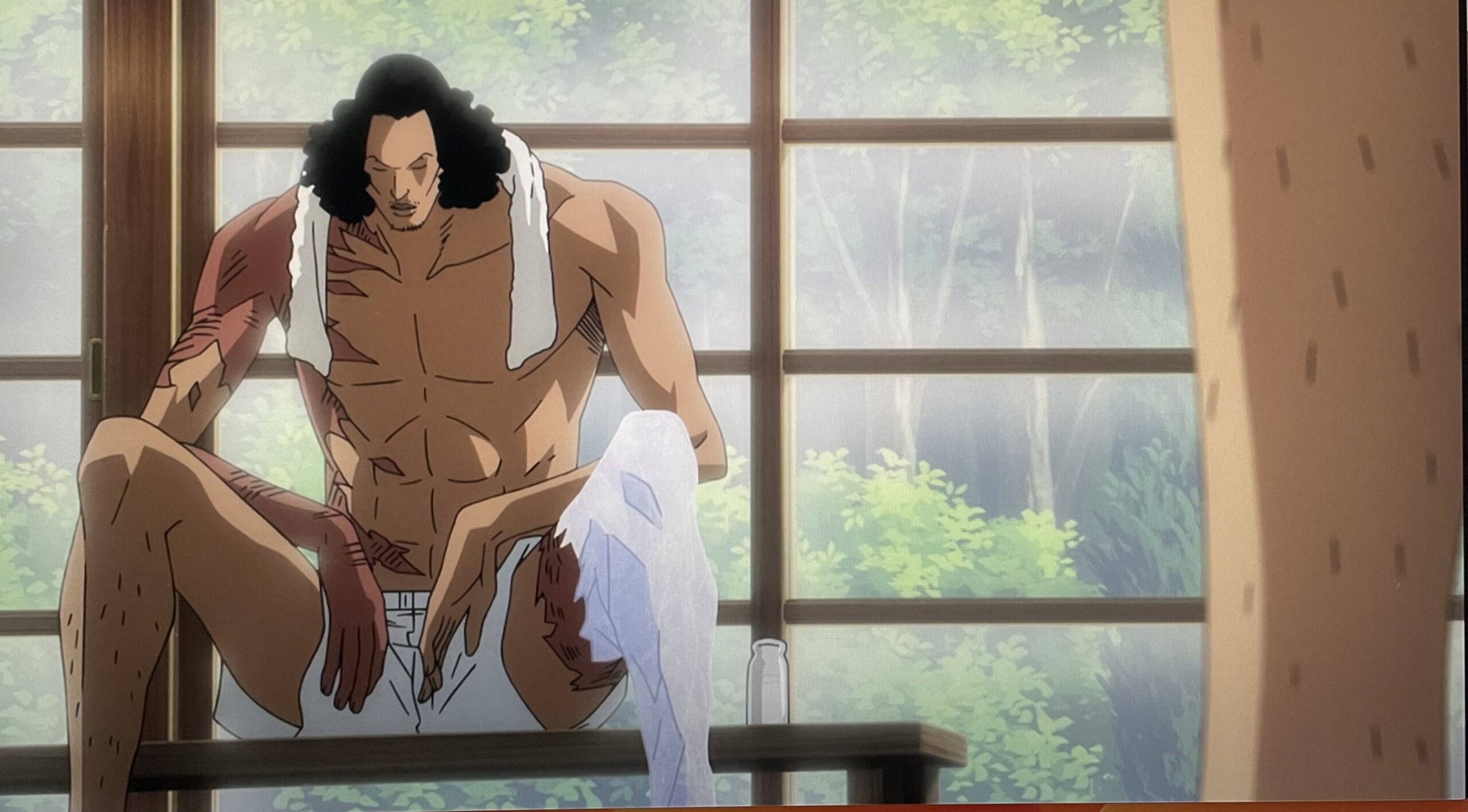
Aokiji’s True Purpose: Why Kuzan Joined Blackbeard | One Piece Theory
-
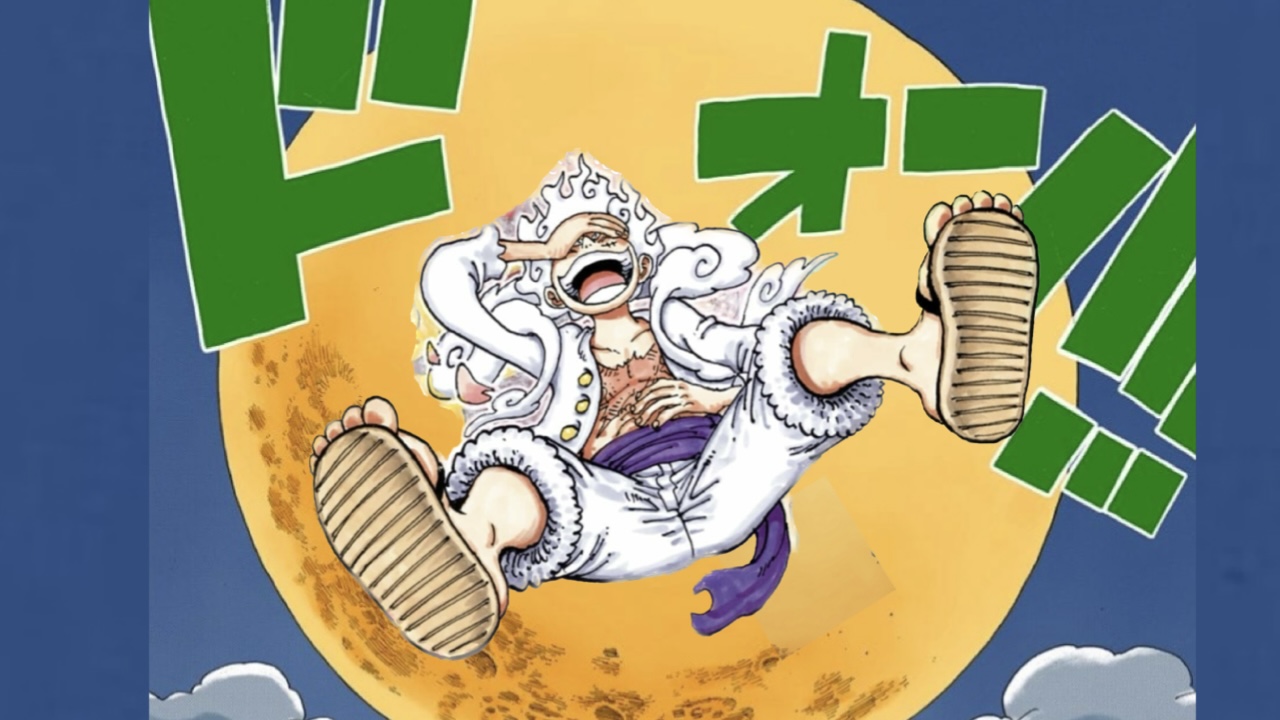
“Nika” Means “Marriage” in 5 Languages — Luffy’s Happy Ending Theory | One Piece
-
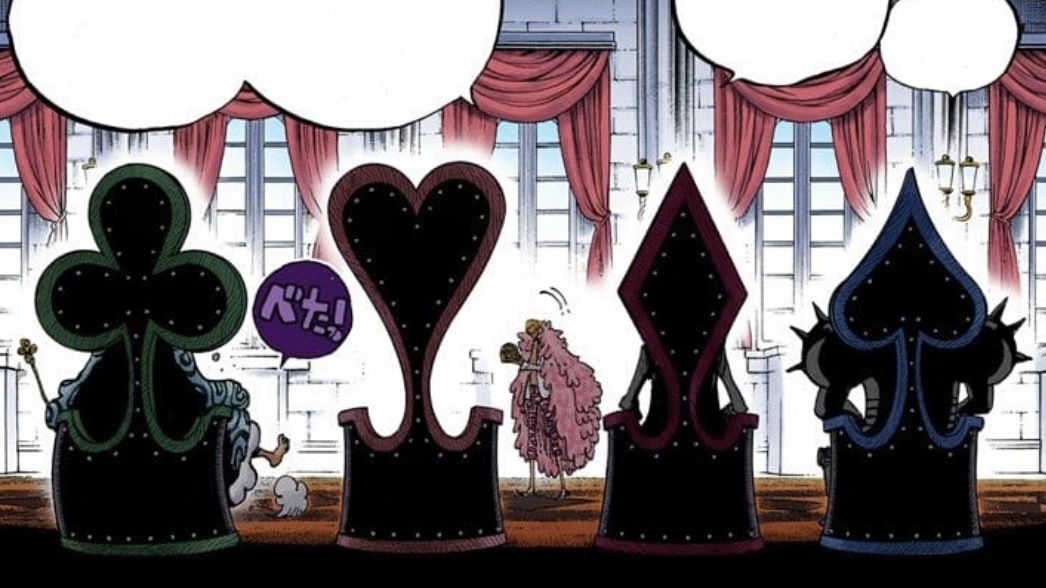
Playing Cards, Revolution, No.2 and the Aces — One Piece Theory
-
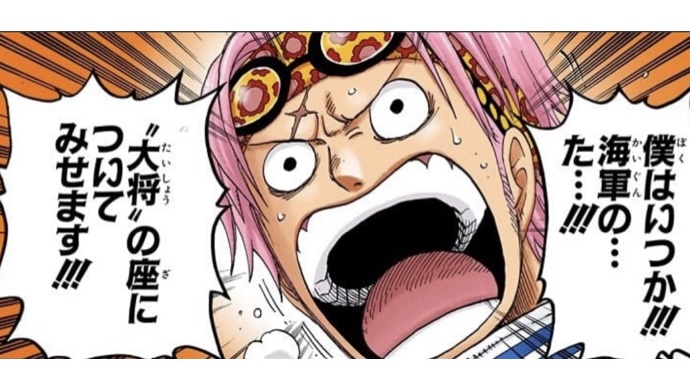
Koby’s Growth Summary in One Piece — No.1 Candidate for Luffy’s Rival
-
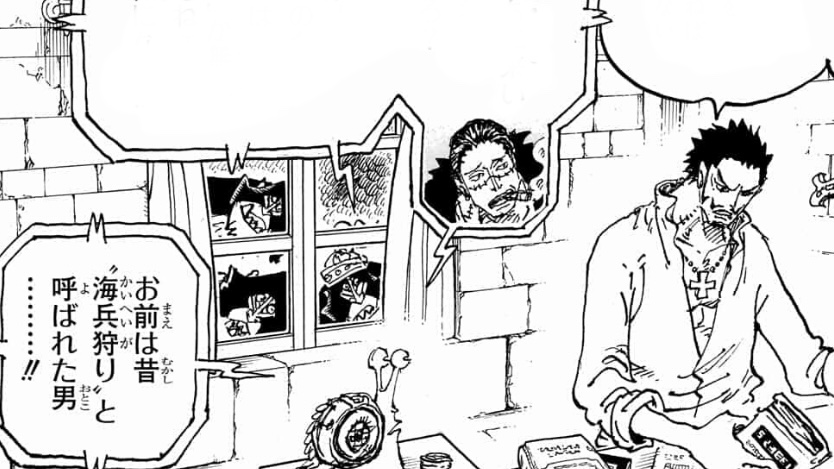
Why Mihawk Became the “Marine Hunter” — A Theory (He Has No Interest in the One Piece)
-
![ONE PIECE Rakugo References Explained [Even Beginners Can Understand]](https://yasaoblog.fun/en/wp-content/uploads/2026/10/96469010833-2.jpg)
ONE PIECE Rakugo References Explained [Even Beginners Can Understand]
-
![What Does Jingi Mean in ONE PIECE? [Confucianism & Yakuza Explained]](https://yasaoblog.fun/en/wp-content/uploads/2026/10/IMG_5529.jpg)
What Does Jingi Mean in ONE PIECE? [Confucianism & Yakuza Explained]
-
![All 11 Red-Haired Pirates Members Explained [New Info Summary]](https://yasaoblog.fun/en/wp-content/uploads/2026/10/IMG_5184-2.jpg)
All 11 Red-Haired Pirates Members Explained [New Info Summary]
-
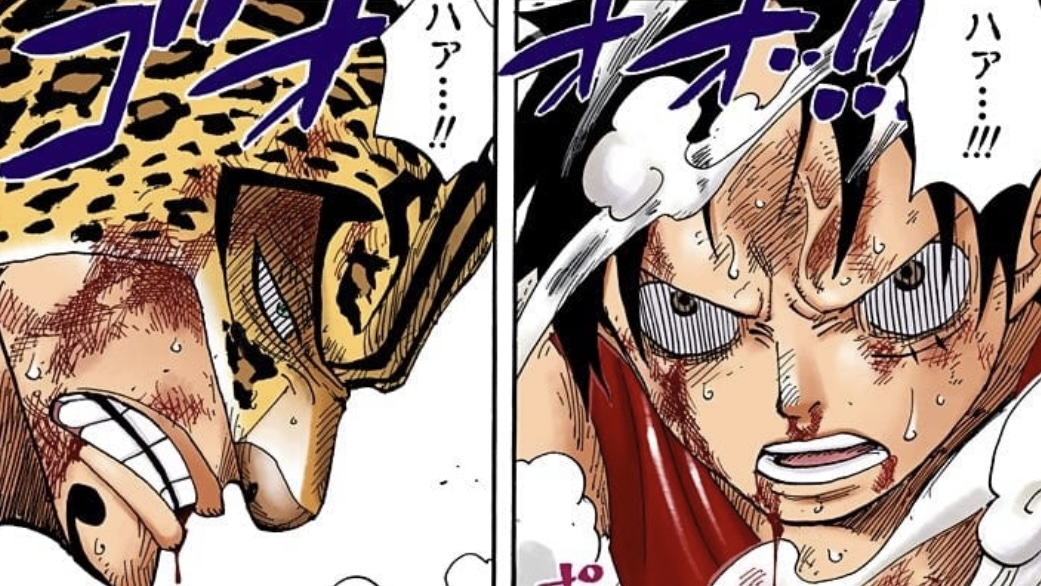
Rob Lucci and Luffy: Similarities and Opposites | ONE PIECE Analysis
-
![Who Will Law Use the Ageless Surgery On? [Ope Ope no Mi Ultimate Technique — TrafalFly D. Nika]](https://yasaoblog.fun/en/wp-content/uploads/2026/10/IMG_4020.jpg)
Who Will Law Use the Ageless Surgery On? [Ope Ope no Mi Ultimate Technique — TrafalFly D. Nika]
-
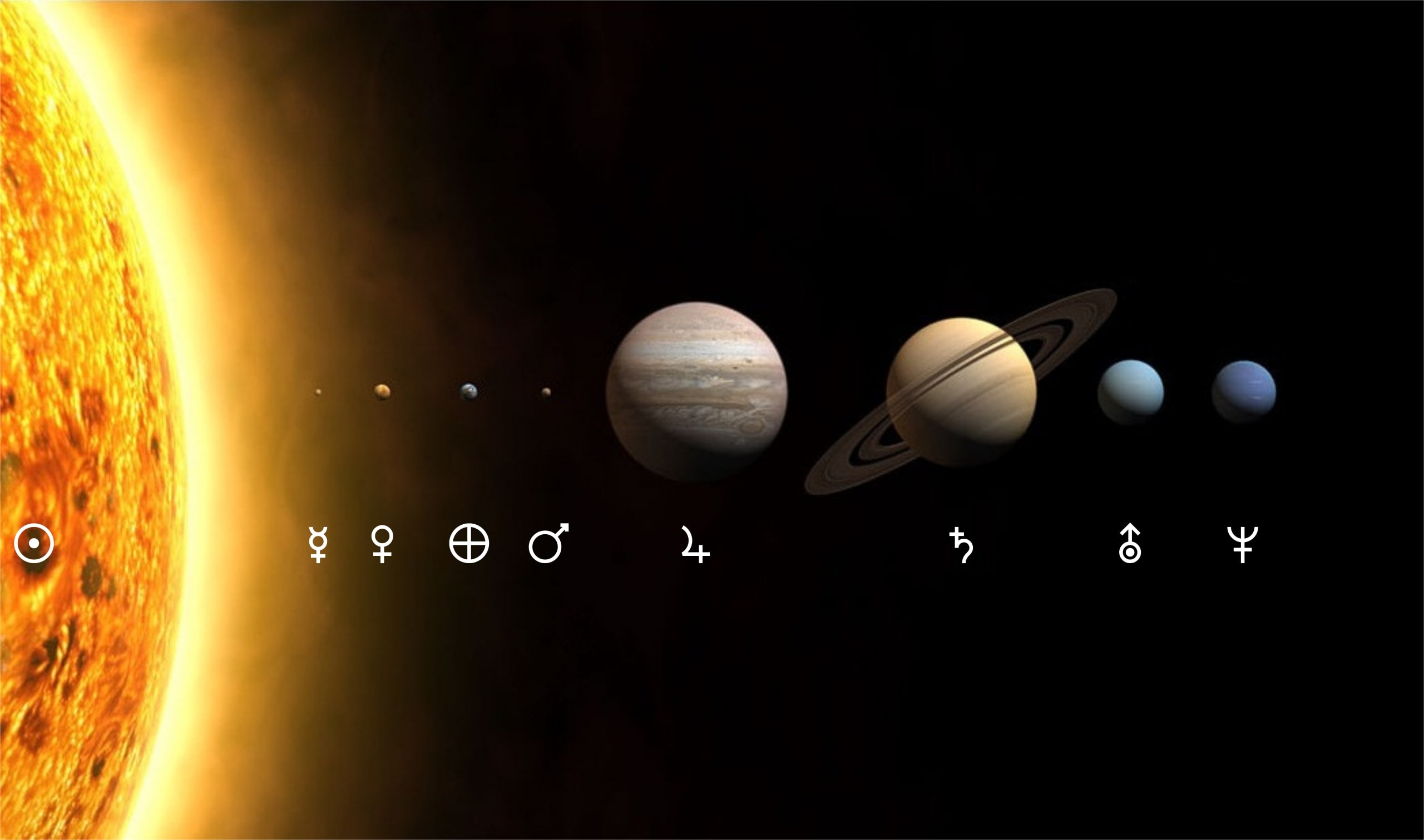
One Piece Theory: Do the Five Elders’ Names Match Solar System Planets?
-
![Trafalgar Law Will Die — But Who Gets the Perennial Youth Surgery? [Peter Pan & Michael Jackson]](https://yasaoblog.fun/en/wp-content/uploads/2026/10/IMG_3687-1.jpg)
Trafalgar Law Will Die — But Who Gets the Perennial Youth Surgery? [Peter Pan & Michael Jackson]
-
![Ancient Weapon Pluton’s True Identity and Power Source Revealed! [Definitive Edition]](https://yasaoblog.fun/en/wp-content/uploads/2026/10/IMG_3672-1.jpg)
Ancient Weapon Pluton’s True Identity and Power Source Revealed! [Definitive Edition]
-
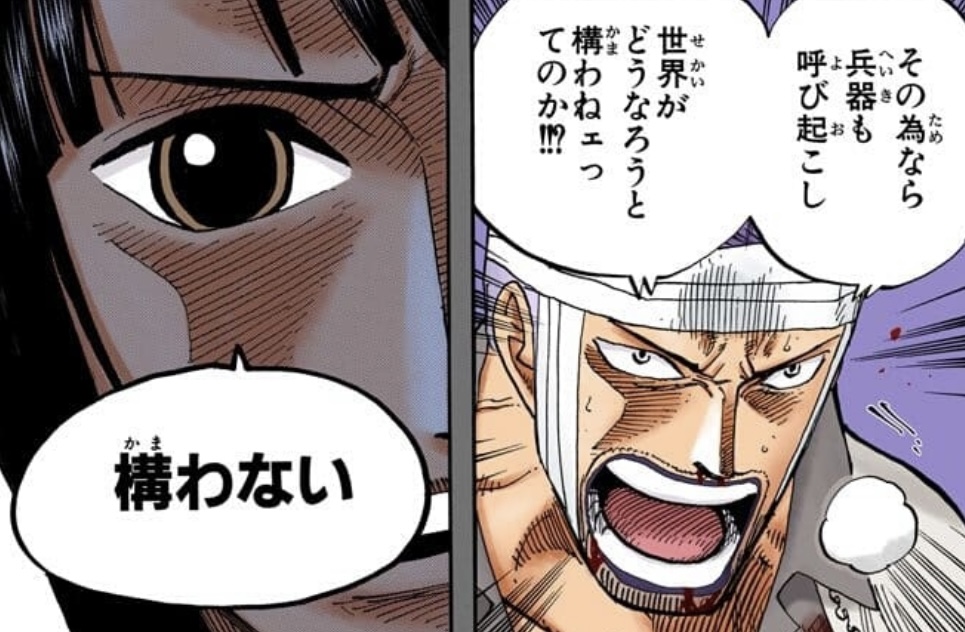
The “Great Treasure,” the “Ancient Weapon,” and the “6th Person” Title
-
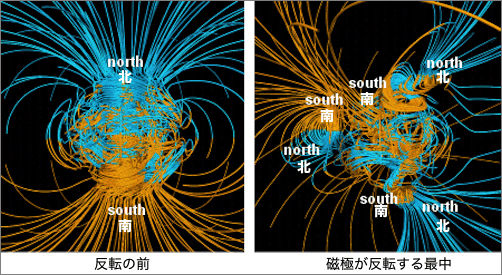
One Piece’s Final Arc: The “One Piece” Triggers a Pole Shift
-
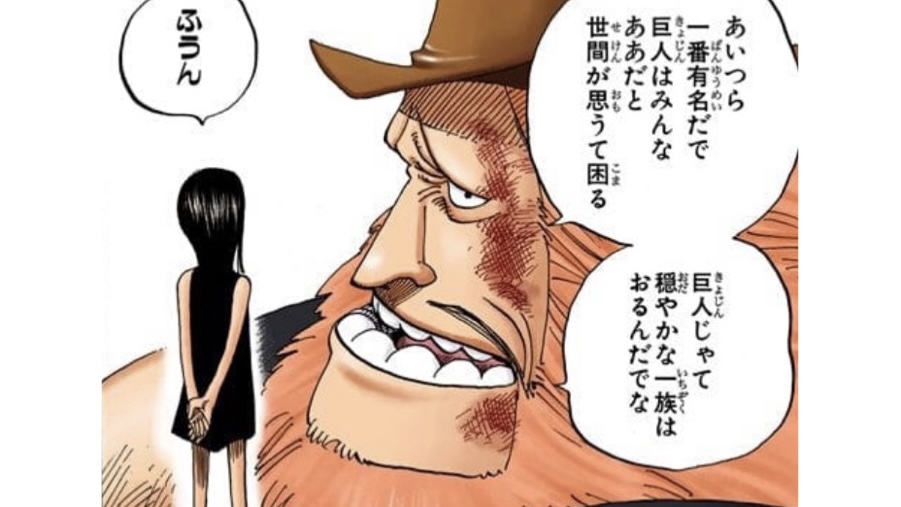
The “Flame-Scarred Man” Is Definitely NOT Sauro — One Piece Theory
-
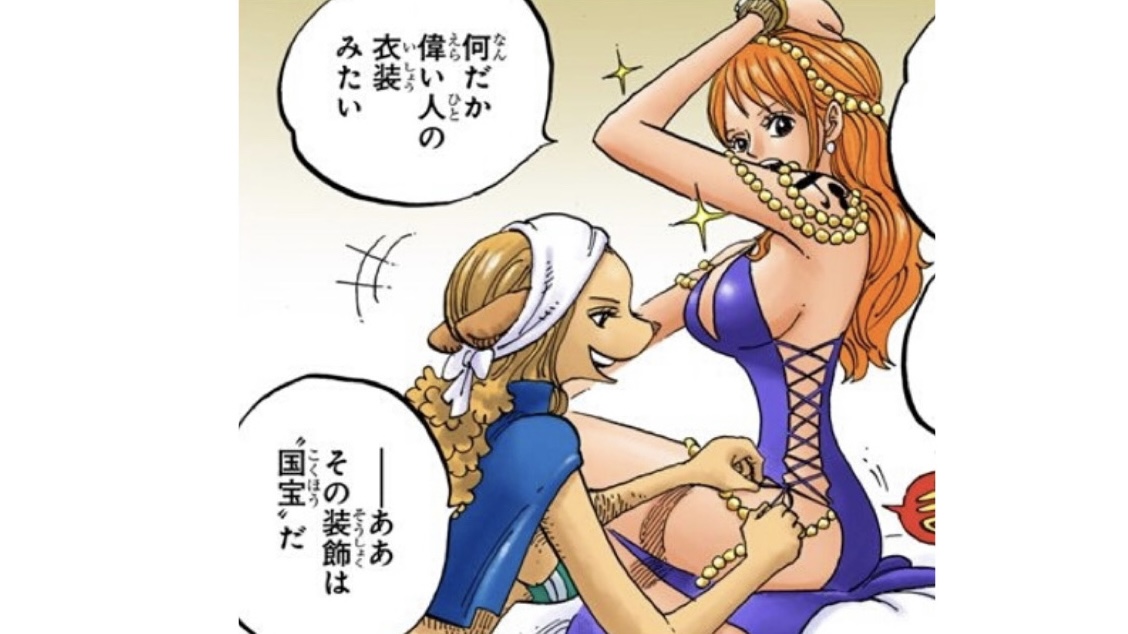
Is Nami Actually a Princess? The Flower Names of 5 One Piece Princesses
-
One Piece Theory: New Pacifista “Seraphim” vs Old — Full Performance Comparison
-
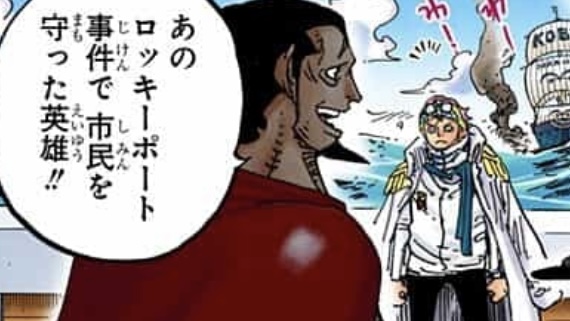
One Piece Theory: Rocky Port Incident — Was Law Really the Mastermind? The Blackbeard Connection Explained
-
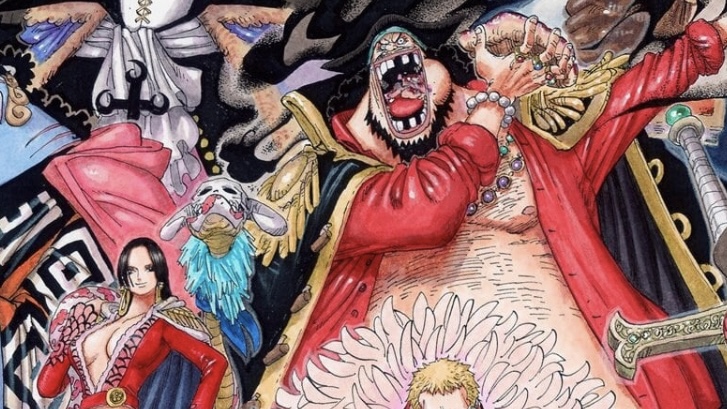
One Piece Theory: Blackbeard & Hancock Are Based on Poseidon and Medusa from Greek Mythology
-
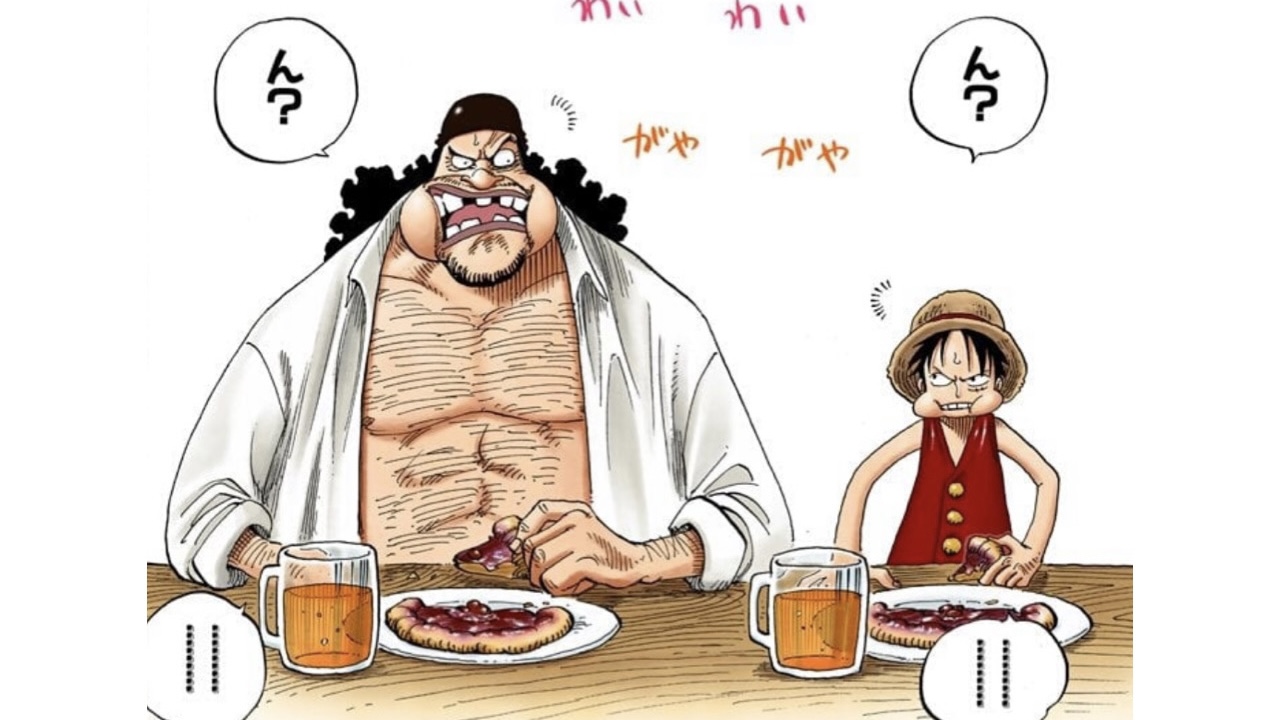
Similarities Between Blackbeard and Luffy【Two D’s Who Rose to Power Fast】
-
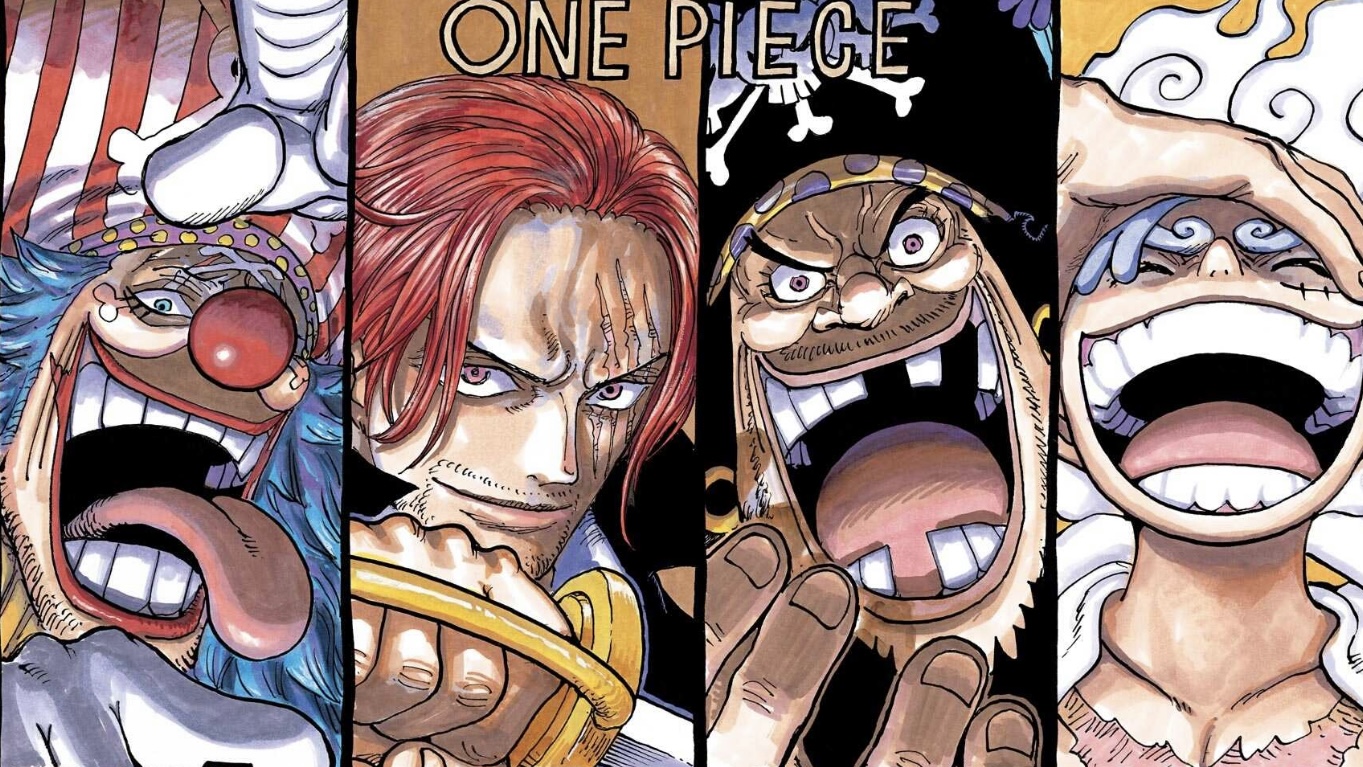
New Four Emperors Power Rankings — Former Warlords Join the Yonko
-
Is Nami’s Birth the Same Pattern as Shanks? — Princess of Oykot Kingdom Theory
-
Information About Shanks Revealed in ONE PIECE FILM RED
-
The Lunarian Tribe Explained — Usopp’s Wings, the Moon People, and the Aryan Varna Theory
-
![Chopper’s Hito Hito no Mi Is Mythical Zoan Model: Daidarabocchi!? [Wano = Princess Mononoke] [Fox & Tanuki]](https://yasaoblog.fun/en/wp-content/uploads/2026/10/IMG_9127-1.jpg)
Chopper’s Hito Hito no Mi Is Mythical Zoan Model: Daidarabocchi!? [Wano = Princess Mononoke] [Fox & Tanuki]
-
![[Will of D] The D Clan Were the Model for the Seven Warlords of the Sea!?](https://yasaoblog.fun/en/wp-content/uploads/2026/10/IMG_4873-1.jpg)
[Will of D] The D Clan Were the Model for the Seven Warlords of the Sea!?
-
![Connection Between Ancient Weapons and Road Poneglyphs in One Piece [The Great Kingdom] [Joy Boy]](https://yasaoblog.fun/en/wp-content/uploads/2026/10/IMG_8811.jpg)
Connection Between Ancient Weapons and Road Poneglyphs in One Piece [The Great Kingdom] [Joy Boy]
-
![One Piece: Buggy the Clown — A Great Pirate from the Start [Warlord] [Four Emperors]](https://yasaoblog.fun/en/wp-content/uploads/2026/10/IMG_8776.jpg)
One Piece: Buggy the Clown — A Great Pirate from the Start [Warlord] [Four Emperors]
-
One Piece Theory: Joyboy’s Promise to the Mermaid Princess and the Dream of Fish-Man Island
-
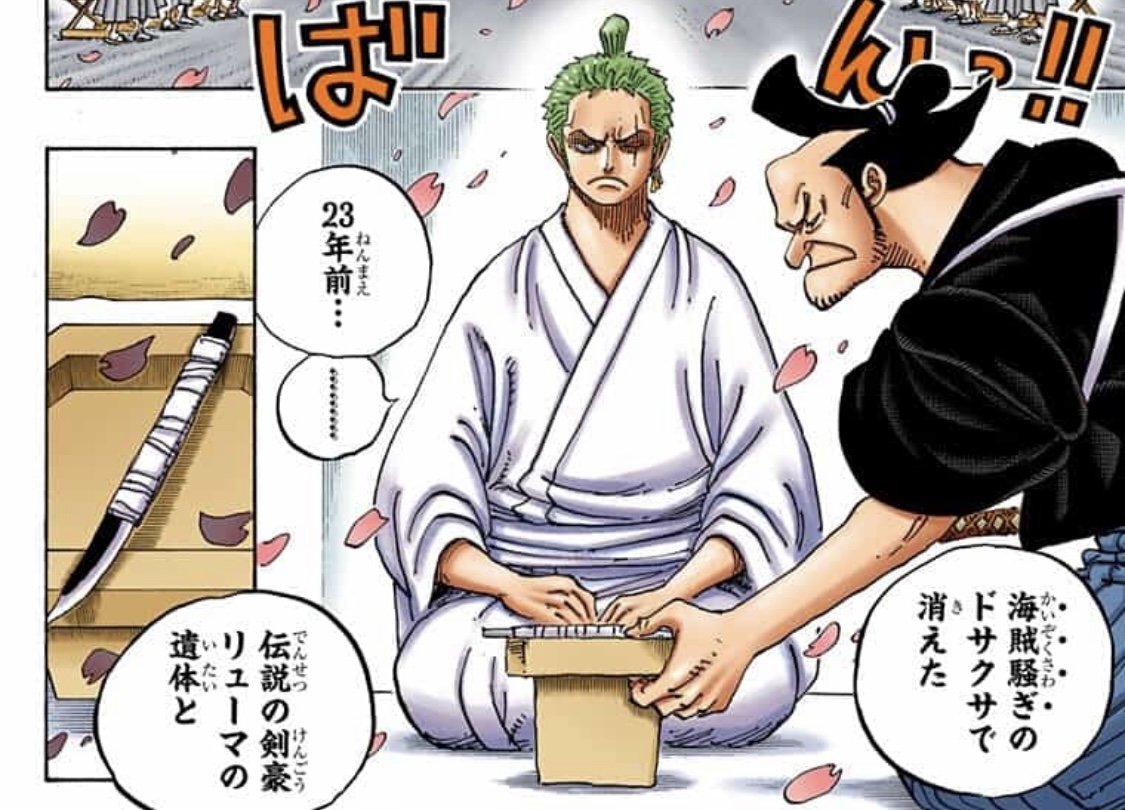
One Piece Theory: The 8th Sake Dragon Bagua Form is the Laughing Drunk — Kaido’s Seppuku Theory
-
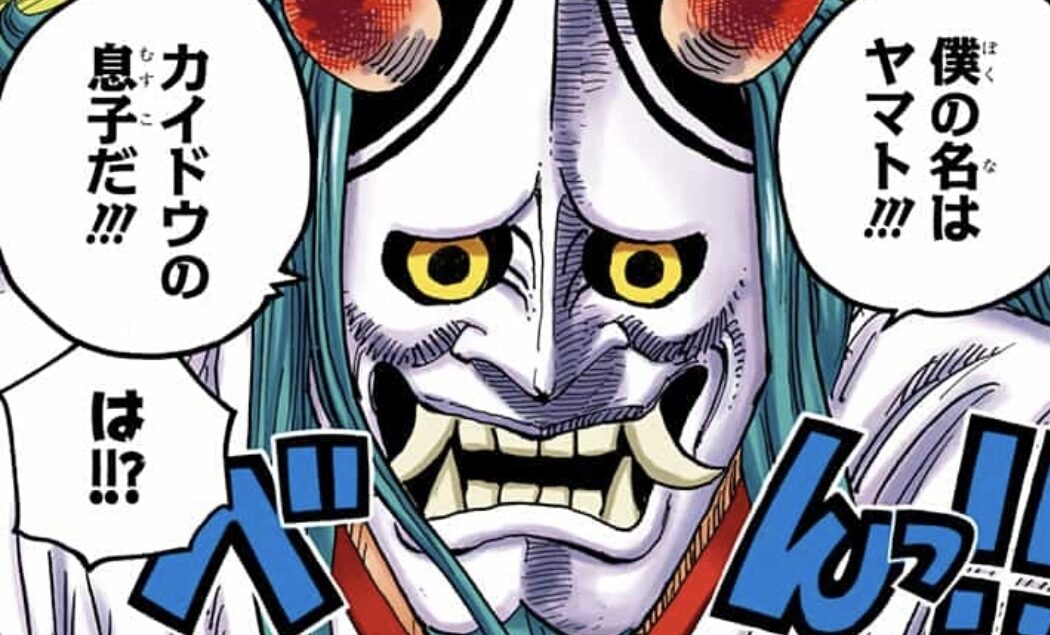
One Piece Theory: Why Yamato Becomes the 10th Crewmate — “11” Is the Samurai Number & the Wolf of Ragnarok
-
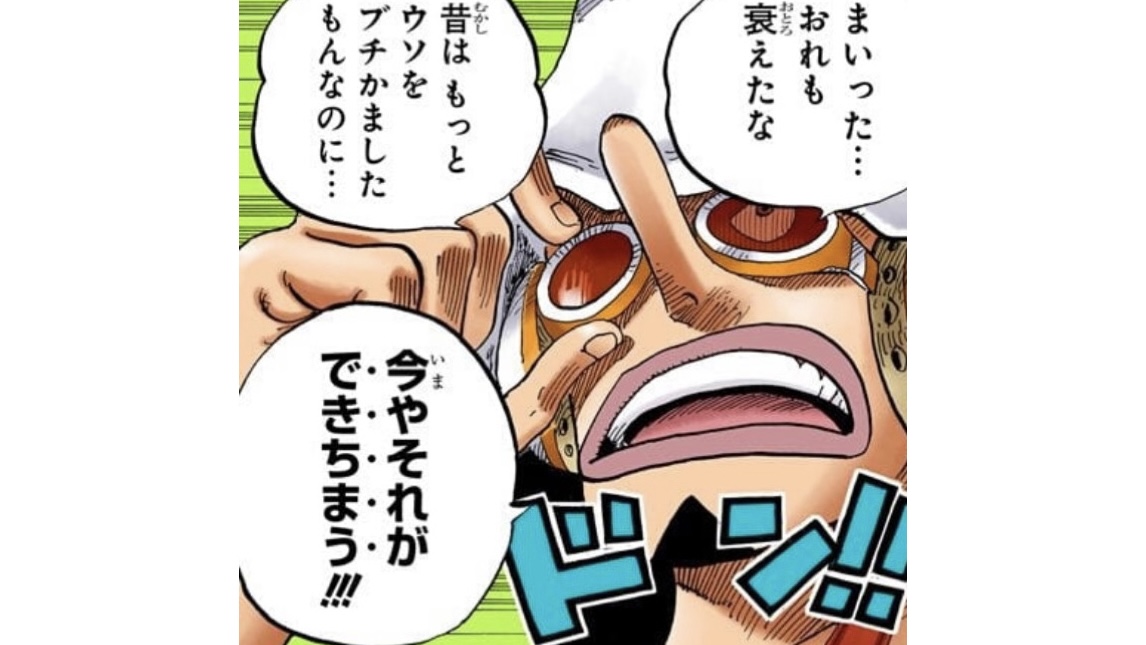
One Piece Theory: Usopp’s Lies Turn Into Reality — “LIE TURN INTO REALITY” Verified
-
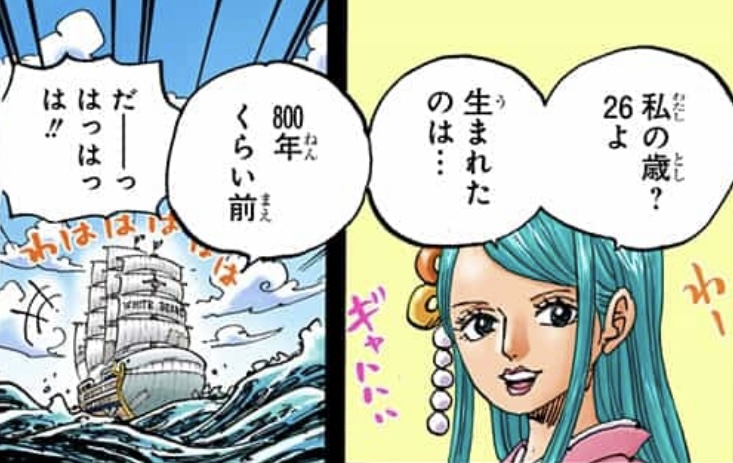
One Piece Timeline: Before & After the Void Century — Events Up to 200 Years Ago
-
![One Piece: Who Do the Straw Hats Marry? [Luffy’s 7 Bride Candidates]](https://yasaoblog.fun/en/wp-content/uploads/2026/10/IMG_7616.jpg)
One Piece: Who Do the Straw Hats Marry? [Luffy’s 7 Bride Candidates]
-
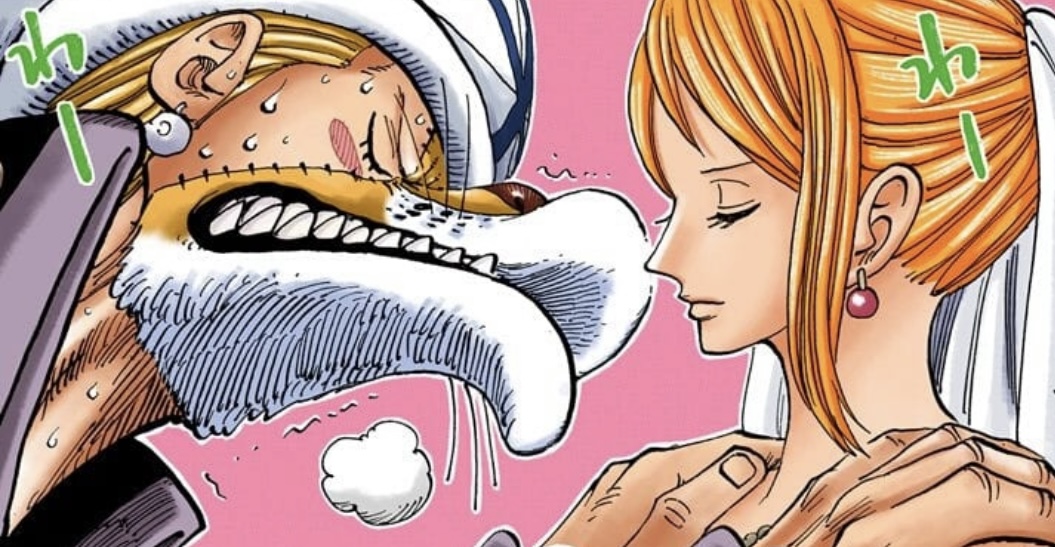
One Piece Theory: NIKA Means Marriage — Luffy Becomes the Sun God and Gets Married
-
![One Piece Theory: Luffy Was Never Rubber — Zoan Mythical Beast Sun God [25-Year Misdirection Explained]](https://yasaoblog.fun/en/wp-content/uploads/2026/10/IMG_6966-e1647185577490.jpg)
One Piece Theory: Luffy Was Never Rubber — Zoan Mythical Beast Sun God [25-Year Misdirection Explained]
-
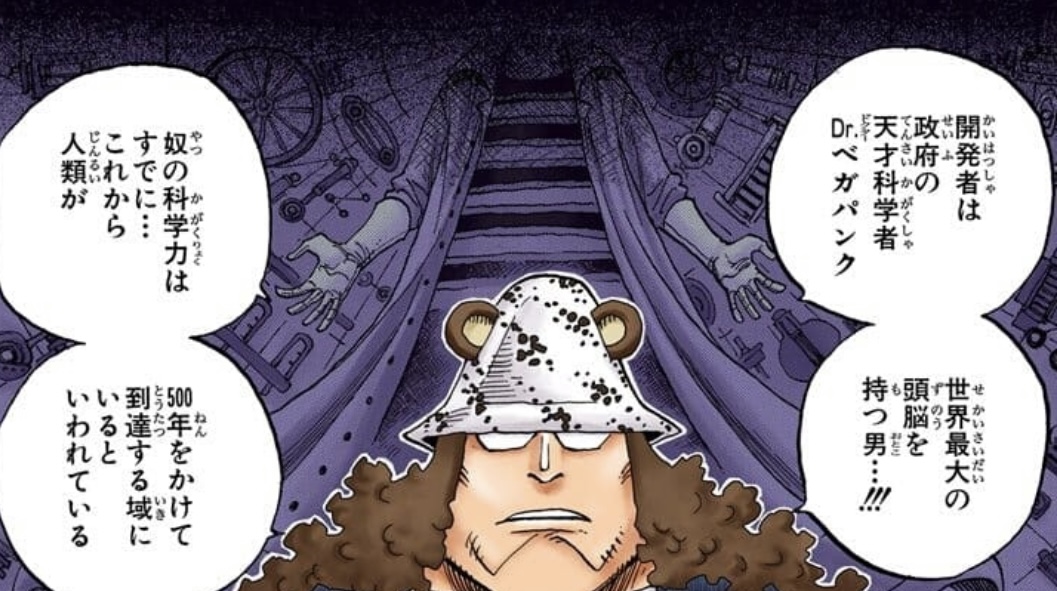
One Piece Theory: Vegapunk’s Research and Caesar’s Application — The Artificial Devil Fruit SMILE Explained
-
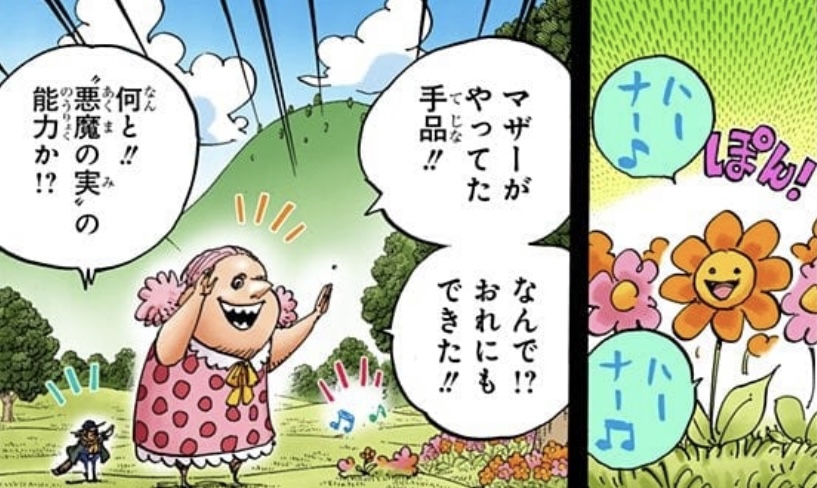
One Piece Theory: How Objects Eat Devil Fruits — Transmission Conditions, Lineage Factors & How to Steal Abilities
-
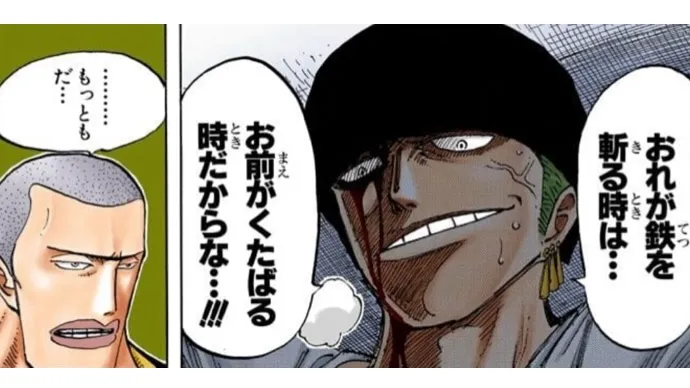
Zoro’s Best Battles Ranking: From Cutting Steel to Conqueror’s Haki
-
Why Usopp Can’t Use “Observation Killing” — The Real Reason | One Piece Theory
-
Im’s Horns Look Like Kaidou’s! Akuma = Lunarian × Oni Hybrid Theory | One Piece
-
What Are ‘Joy Boy’s Words’ at Laugh Tale? The Man Roger’s Crew Was Waiting For | One Piece
-
![Imu’s 19 Legendary Weapons | The Swords of the Kings Explained [Updated as All Are Revealed]](https://yasaoblog.fun/en/wp-content/uploads/2026/10/IMG_9547-1.webp)
Imu’s 19 Legendary Weapons | The Swords of the Kings Explained [Updated as All Are Revealed]
-
![Loki One Piece Theory | Devil Fruit, Norse Mythology & Sun God Mystery Fully Explained [Elbaf Arc Latest]](https://yasaoblog.fun/en/wp-content/uploads/2026/10/Gemini_Generated_Image_6mt5su6mt5su6mt5-1.webp)
Loki One Piece Theory | Devil Fruit, Norse Mythology & Sun God Mystery Fully Explained [Elbaf Arc Latest]
-
The Void Century Model: Yamatai and Japan’s “Blank 4th Century” | One Piece Theory
-
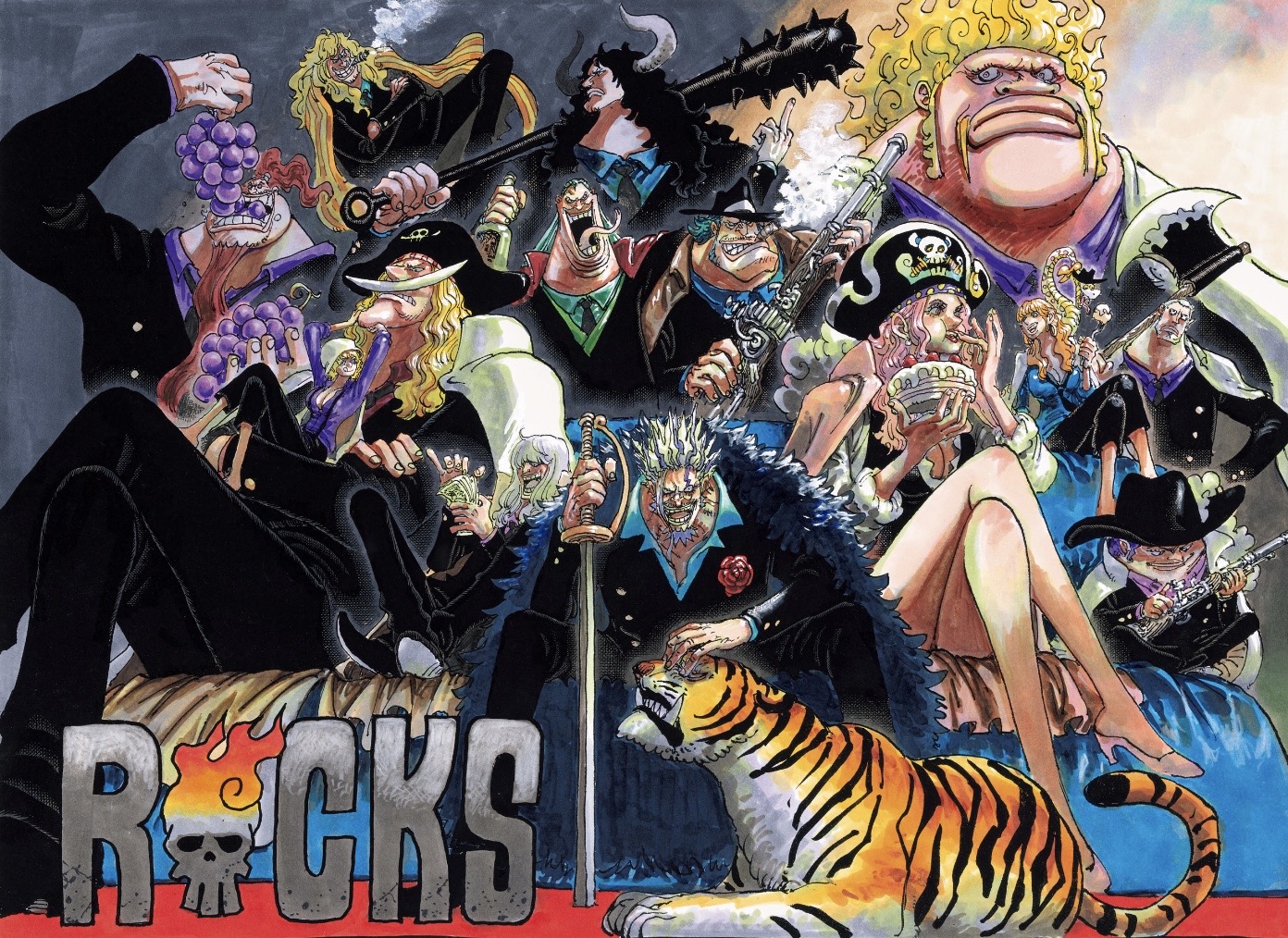
Why Blackbeard Can Eat Two Devil Fruits: Solving the Rocks Family Mystery | One Piece Theory