Most One Piece fans think of the series as pure fantasy. But there is a pattern that almost no one in the English-speaking world has noticed: the arcs do not just borrow from history. They re-enact it.
The locations match real UNESCO World Heritage Sites. The character models are real historical figures. And the plot events mirror actual uprisings, invasions, and political marriages that happened in the real world. This is not coincidence. Oda designs it that way, and as a Japanese researcher who has been studying this for years, I can show you exactly how it works.
Whiskey Peak: The Taos Revolt of 1847
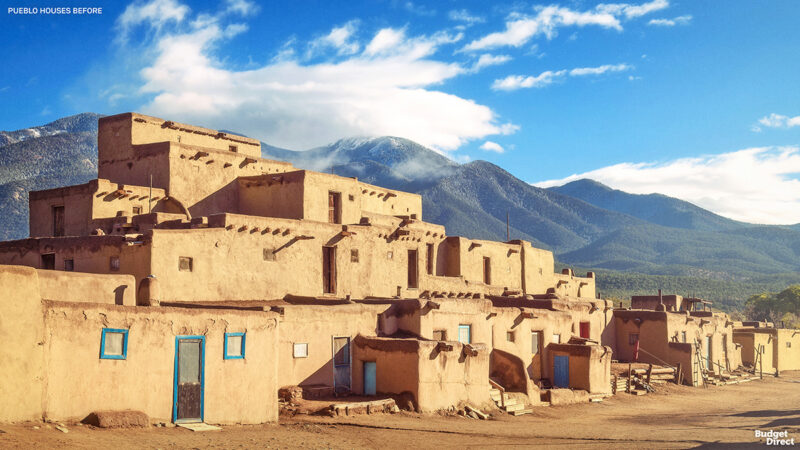
The real-world model for Whiskey Peak is Taos Pueblo, a UNESCO World Heritage Site in New Mexico, USA. Taos Pueblo is a village where the Pueblo people have lived continuously for over 1,000 years — exactly matching the ancient, lived-in quality of Whiskey Peak.
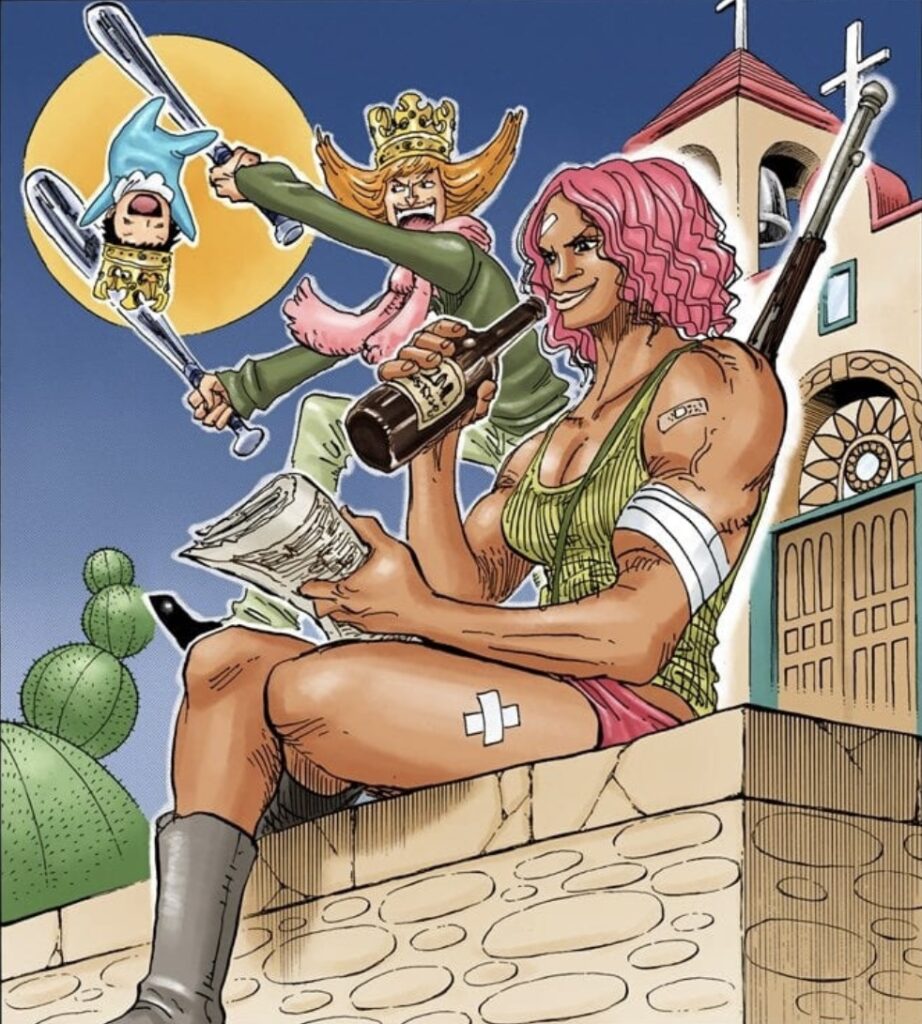
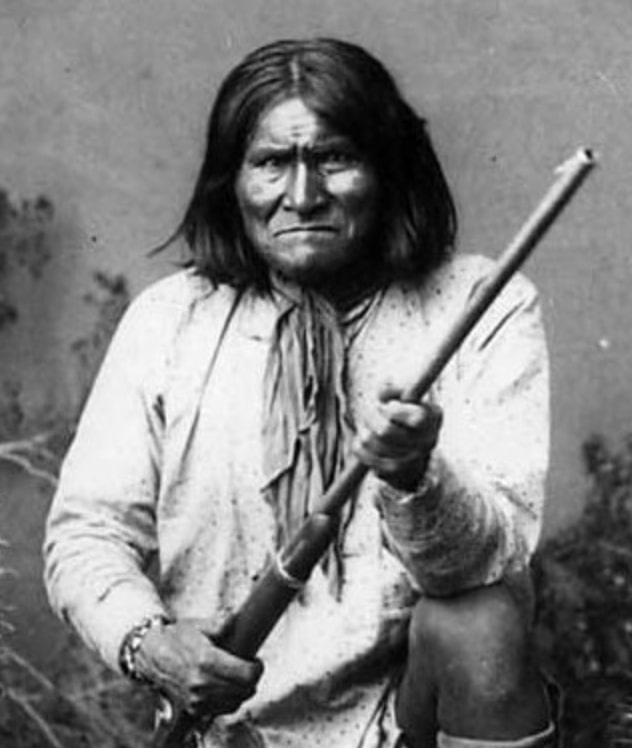
But the geography is only the beginning. Look at the character: Mr. Monday, the muscular Baroque Works agent who defects and helps Vivi. His real-world model is Geronimo, the legendary Apache warrior and symbol of Native American resistance against U.S. expansion.
Now the story clicks into place. Mr. Monday is supposed to be loyal to Baroque Works — loyal to Mr. 5, who represents the colonizing power. Instead, he breaks ranks and sides with Vivi, the outsider being hunted by that power. This is exactly what happened in the Taos Revolt of 1847, when the Pueblo people rose up against U.S. occupation following the Mexican-American War. The Taos people, living in their ancient pueblo home, rebelled against the invading authority to protect their own.
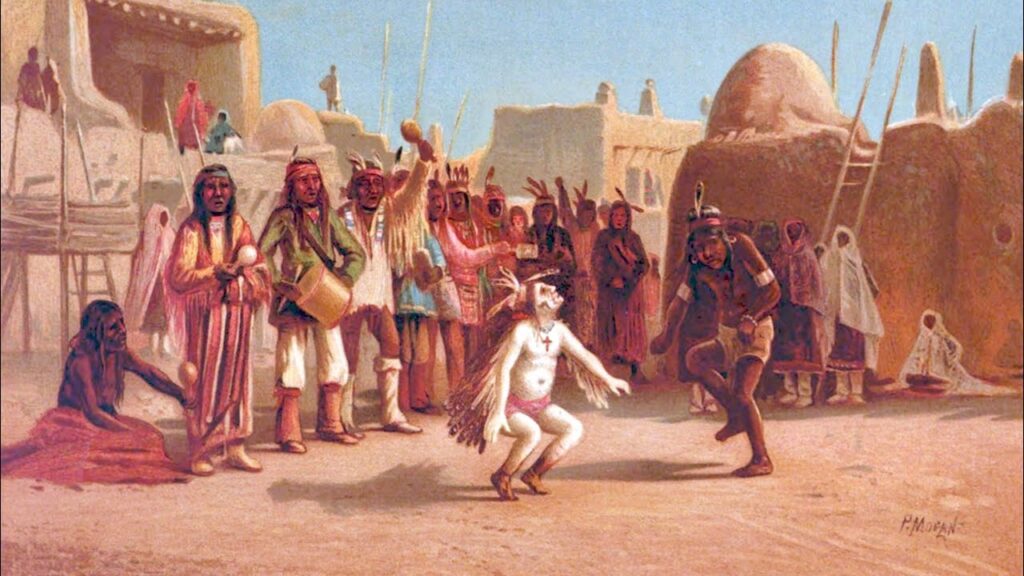
Location, character model, and plot event — all three align with a single real historical moment. This is how Oda works.
Wano Country: The Mongol Invasion of Japan, Retold as Momotaro
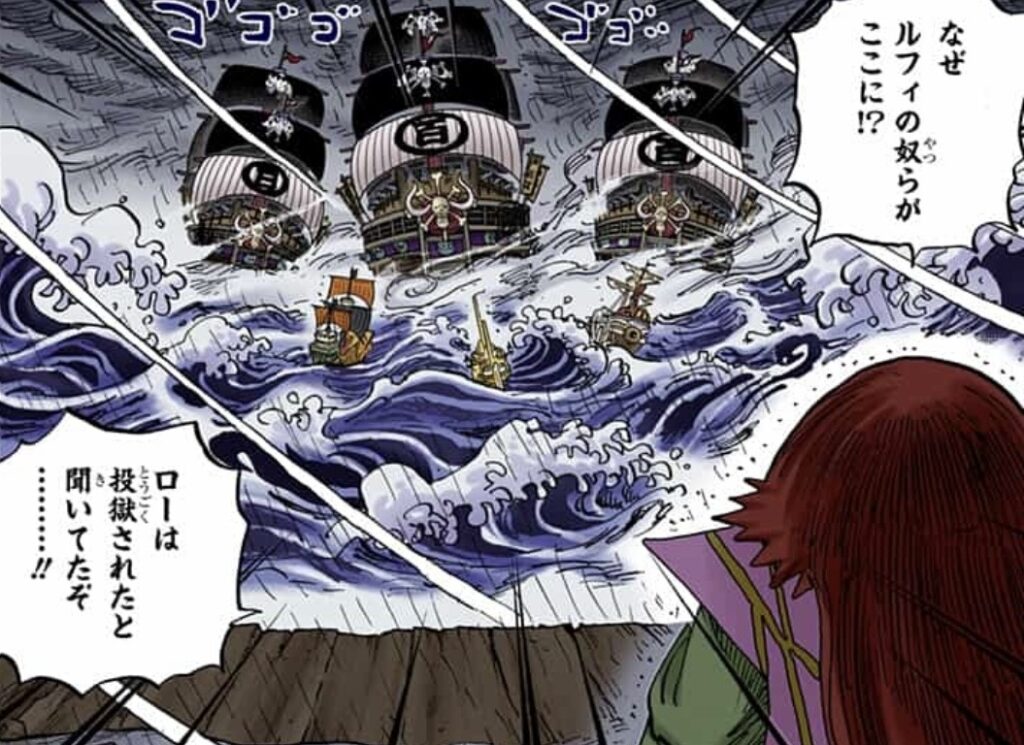
The Wano arc has a double structure that only Japanese readers naturally recognize.
On one level, it is a retelling of the Mongol Invasions of Japan (1274 and 1281). Kaido’s real-world model is Khaidu, a general descended from Genghis Khan — his name is nearly identical to Kaido. The Beast Pirates’ distinctive bianfa hairstyle (the long braided topknot) is the signature style of Mongol soldiers from that era. The Beast Pirates are a projection of the Mongol invading army.
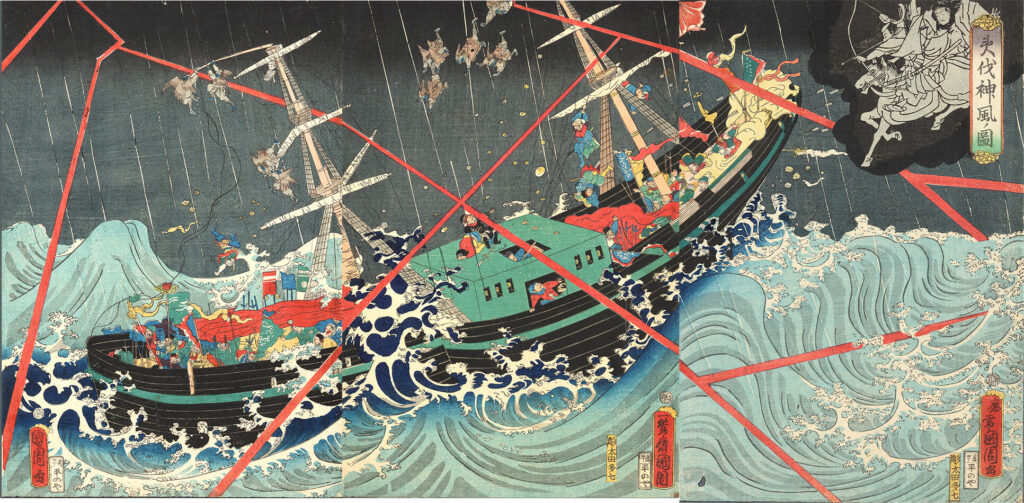
The geography matches precisely. Kuri Beach, where Luffy and Big Mom wash ashore, is modeled on Iki no Matsubara in Fukuoka — the exact coastline where Mongol forces landed in Hakata Bay in 1274. The ruins of the Mongol defense wall are still visible there today. Itachi Port, where the alliance salvaged wrecked ships to build their fleet, is modeled on Imari Bay in Saga Prefecture — the sea where a typhoon destroyed the Mongol fleet in 1281, and where underwater excavations have found the sunken Mongol ships.
On the second level, the same story is structured as Momotaro, Japan’s oldest fairy tale. Momonosuke is Momotaro. Luffy has “Monkey” in his name — the monkey companion from the tale. Inuarashi is the dog. Nekomamushi is the cat. The Oni that Momotaro defeats are Kaido’s forces, and Wano itself is Oni Island.
A 13th-century historical war and a prehistoric Japanese fairy tale, layered into a single arc. That is Oda’s method.
Whole Cake Island: The Habsburg Empire
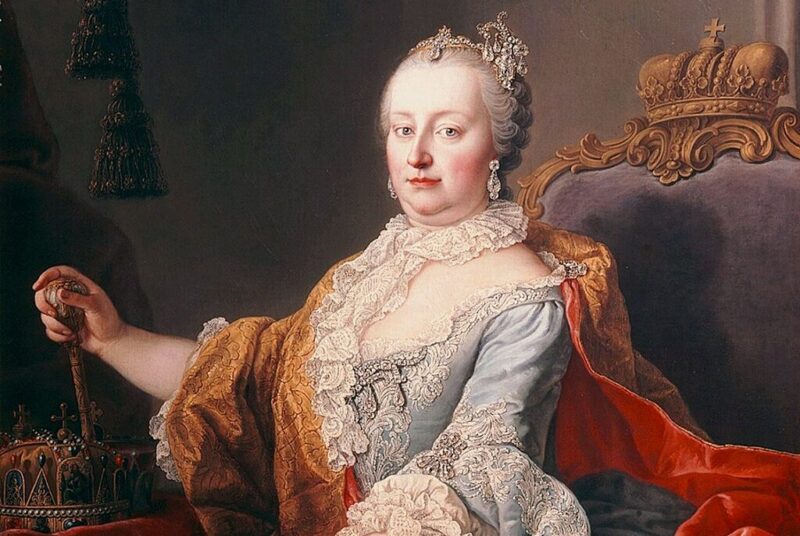
Big Mom’s real-world model is Maria Theresa, Empress of the Habsburg Empire. The Habsburg strategy for maintaining power was political marriage — marrying children into every royal family in Europe to create a web of alliances. Maria Theresa had sixteen children, most of them strategically placed across the continent.
Big Mom has 85 children spread across dozens of races, and her method of building the Charlotte Family’s power is entirely through arranged marriages into other nations. The Tea Parties where alliances are sealed, the absolute loyalty demanded, the catastrophic rage when a political arrangement is broken — all of this mirrors the internal logic of the Habsburg court.
Whole Cake Island is a model of how European dynastic power actually worked.
Dressrosa: Spain, From the Name Up
Dressrosa’s Spanish origin is visible before you even look at a building. The Corrida Colosseum’s name says it plainly: corrida is Spanish for bullfighting (corrida de toros).
The port town of Acacia is modeled on Guell Park in Barcelona, part of the UNESCO World Heritage grouping of Antoni Gaudi’s works. The Corrida Colosseum’s circular structure references the Roman Colosseum, which is historically accurate: the Romans brought arena combat culture to Spain, where it evolved into bullfighting. The building’s architecture is Roman; its name and sport are Spanish. Both layers are deliberate.
The God Valley Incident: The U.S. Indian Wars
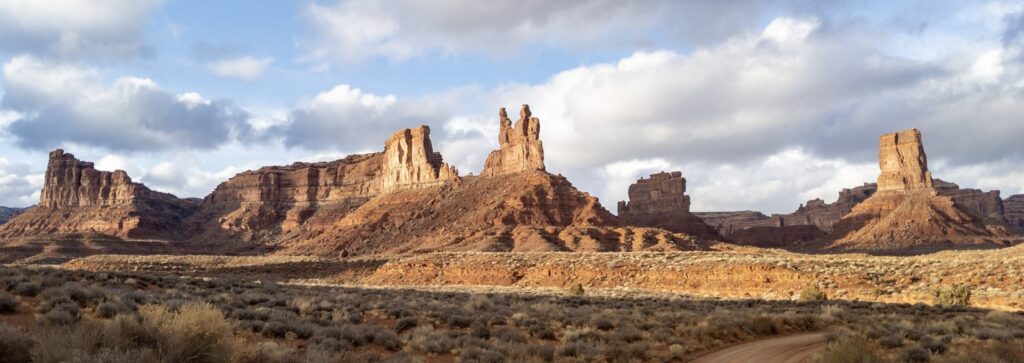
God Valley is modeled on Valley of the Gods in Utah — sacred land of Native Americans. The incident mirrors the Indian Wars of the American West: a powerful military authority conducting a campaign of elimination against people on their own ancestral land, under government sanction.
After the operation, the God Valley Incident is erased from official records — exactly what happened with documented massacres during the Indian Wars in U.S. history. The World Government’s pattern of erasing inconvenient history is not a generic fantasy trope. It is a specific historical reference.
Why Japanese Readers See This and Western Fans Don’t
These connections are not hidden. They are built into geography, names, and plot mechanics. But they require specific background knowledge: familiarity with the Mongol invasions as taught in Japanese schools, recognition of Momotaro as a structural template, and awareness of how UNESCO World Heritage Sites encode real historical contexts.
Most Western fan analysis stops at the visual level — “this island looks like Spain” or “this building resembles the Colosseum.” The deeper layer, where plot events mirror real historical uprisings and political systems, has barely been documented in English.
That is what this blog is for. Every analysis here comes from primary Japanese research, cross-referenced with real history. If you want to understand what One Piece is actually saying beneath the surface, this is where you start.
For the geographic side of this research — how the islands map to real-world locations on an actual navigable route — see The Real Grand Line: Every One Piece Island Mapped to Its Real-World Location. For the character models — the real Japanese actors and historical figures behind the crew — see Every One Piece Character and Their Real-Life Model: The Complete Guide.