Sorbet Kingdom — the homeland of Bartholomew Kuma and the Buccaneer people — has three layers of real-world reference built into it simultaneously: the name, the architecture, and the character. Once you see all three, the entire Kuma storyline reads differently.
The Name “Sorbet” Contains a Hidden Prophecy
The word “sorbet” sounds like a frozen dessert. But the first syllable is the key: Sol — the Spanish word for “sun.” Sorbet Kingdom = Sol + bet = a kingdom whose name quietly contains “sun” in Spanish.
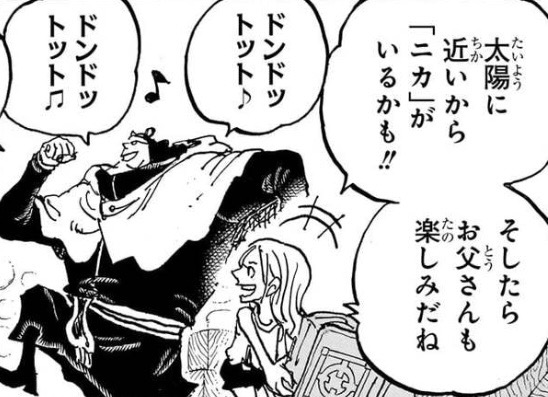
The Buccaneer people who live there have worshipped the Sun God Nika across generations. They were enslaved by the World Government specifically because of this belief. The kingdom where Nika’s faithful live is named with the Spanish word for sun built into it — a linguistic breadcrumb that was in the text from the beginning, waiting for the Nika reveal to make it visible.
Teotihuacan: The Pyramid of the Sun and the Pyramid of the Moon
The architectural model for Sorbet Kingdom’s spiritual foundations is Teotihuacan, the ancient city in central Mexico that is a UNESCO World Heritage Site. Teotihuacan’s defining features are two massive structures: the Pyramid of the Sun (65 meters tall, one of the largest pyramids in the world) and the Pyramid of the Moon, which faces it at the other end of the Avenue of the Dead.
Sun and Moon, paired and facing each other. This mirrors the relationship between the Sun God Nika and the Lunarians — a tribe once called gods, associated with the moon, now hunted to near-extinction by the World Government. The two divine lineages — sun and moon — exist in a relationship of tension and pairing, just as the two pyramids of Teotihuacan do.
Note: Skypiea’s ancient Shandora civilization uses the Maya city of Tikal as its model. Teotihuacan is a separate pre-Columbian civilization, fulfilling a different narrative role. Oda uses different Mesoamerican cultures for different layers of the story’s cosmic history.
Bartholomew Kuma = José María Morelos
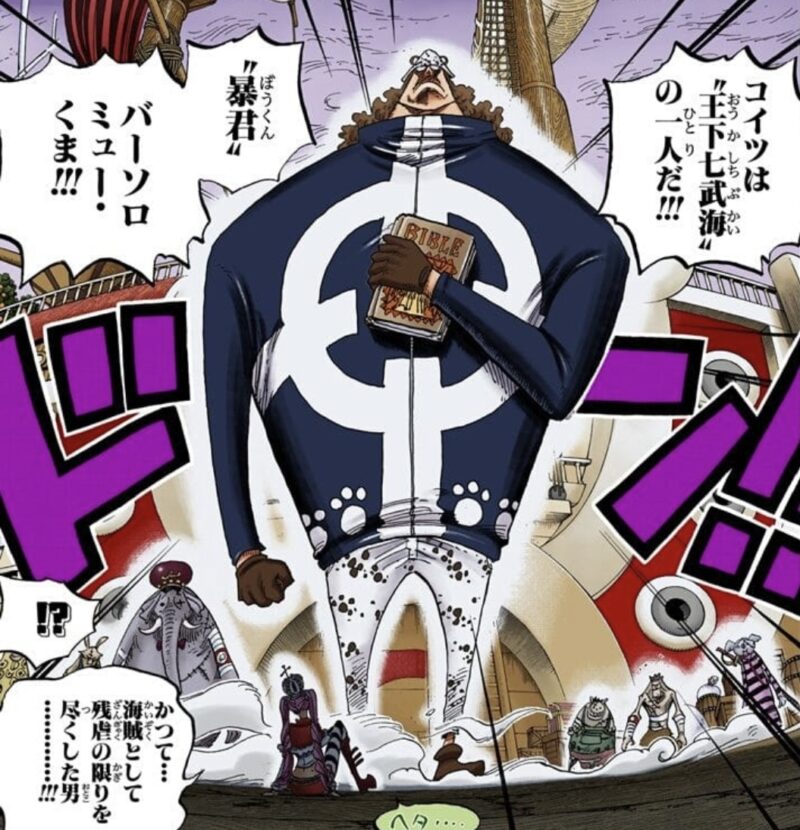
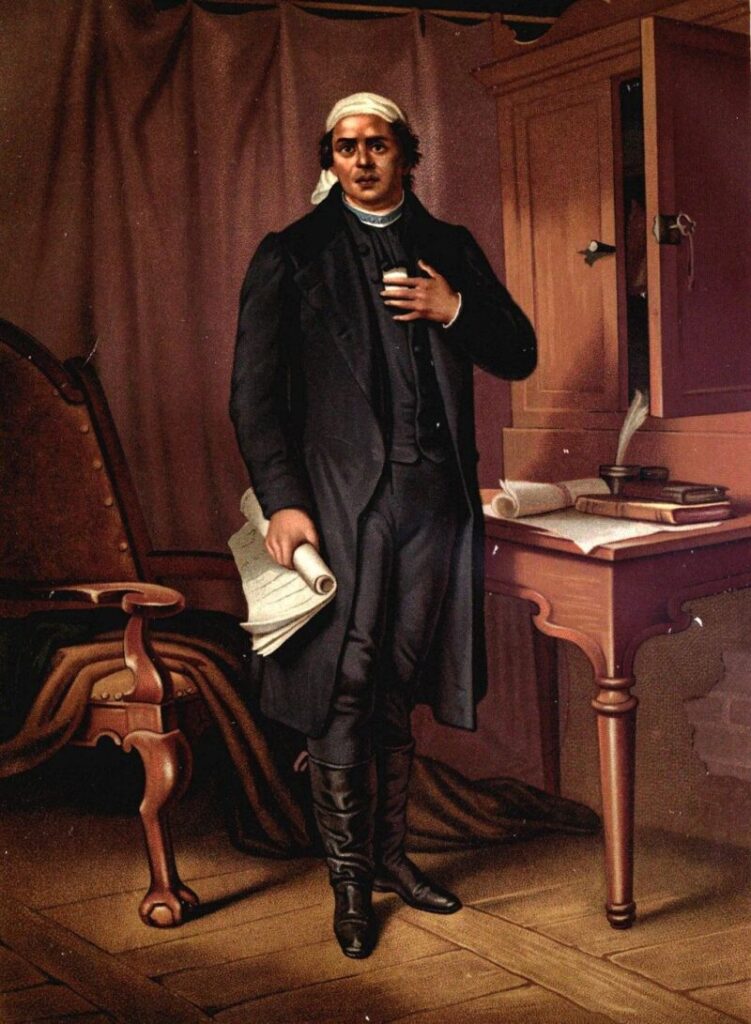
Kuma’s real-world model is José María Morelos, a Roman Catholic priest who became the most effective military leader of the Mexican War of Independence.
Morelos was a large man from a poor background who lived quietly as a rural priest before taking up arms against Spanish colonial rule. He called for the abolition of slavery, advocated for the rights of the indigenous and mixed-race population, and led military campaigns that threatened to end the colonial government. He was eventually captured, stripped of his religious orders, and executed by the state in 1815.
Kuma is a large man from a persecuted people who lived quietly as a pastor before joining the Revolutionary Army to fight the World Government. He advocated for the liberation of his people, was captured by the state, and was subjected to a process that erased his identity completely — his consciousness destroyed, his body converted into a government weapon. The parallel between Morelos being stripped of his clerical identity and executed, and Kuma being stripped of his human identity and converted into PX-0, is exact.
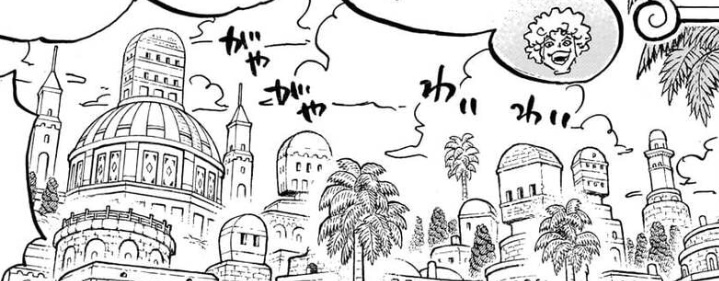
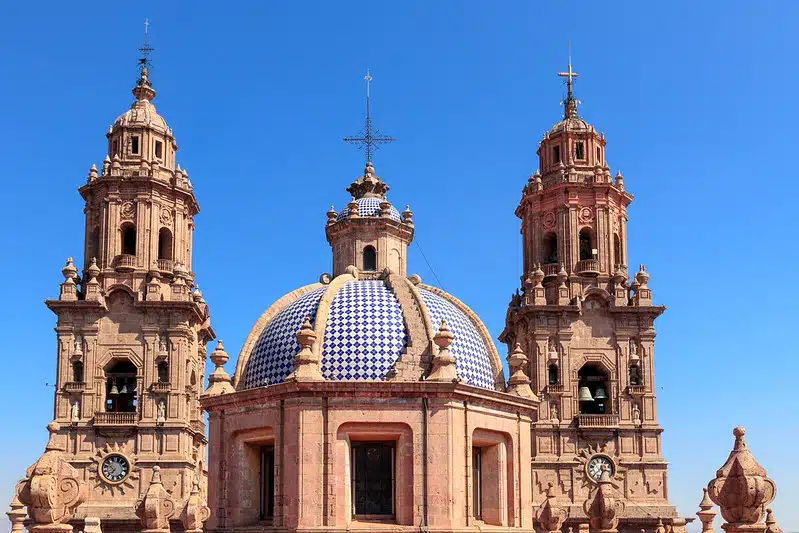
The city of Morelia — capital of Michoacán state — takes its name directly from Morelos. And this is where the three layers of Sorbet Kingdom lock together: in the background of the Sorbet Kingdom panels in One Piece volume 108, Oda drew the Morelia Cathedral, a UNESCO World Heritage Site that dominates the city’s skyline. The name on the map, the revolutionary the kingdom was designed around, and the cathedral visible behind the characters in the manga are all the same reference. Nothing in that location design is accidental.
For the full historical pattern across arcs, see One Piece History is Real History. For the complete character model guide, see Every One Piece Character and Their Real-Life Model.