Loki vs. Im
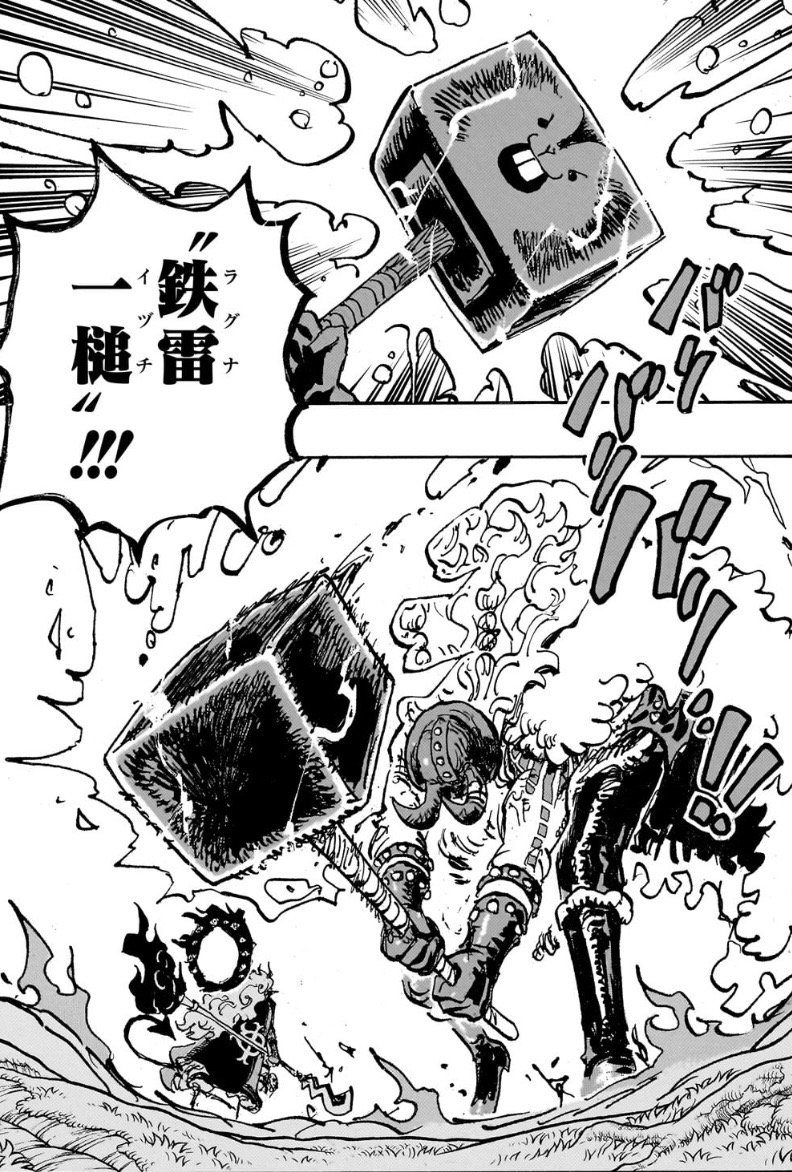
Watching Loki fight, it’s impossible not to think of Kaido. Loki’s technique “Ragnai-dzuchi” (Iron Thunder Strike) echoes Kaido’s “Rag-naraku” (Hellfall) — both rooted in the Norse mythological concept of Ragnarok.
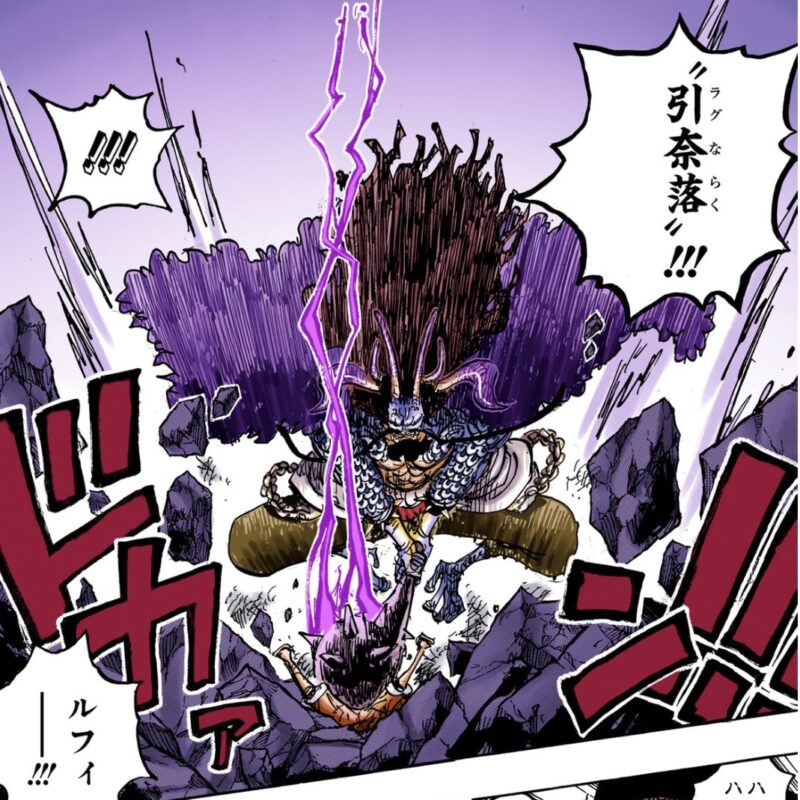
Transforming into a dragon and pursuing with a roar from its mouth is strikingly similar too. And Loki still concealing his Zoan Hybrid form brings back the anticipation of waiting to finally see Kaido’s hybrid — I can feel that same excitement again.
Im blocking with Omen in response, on the other hand, brings Big Mom to mind.
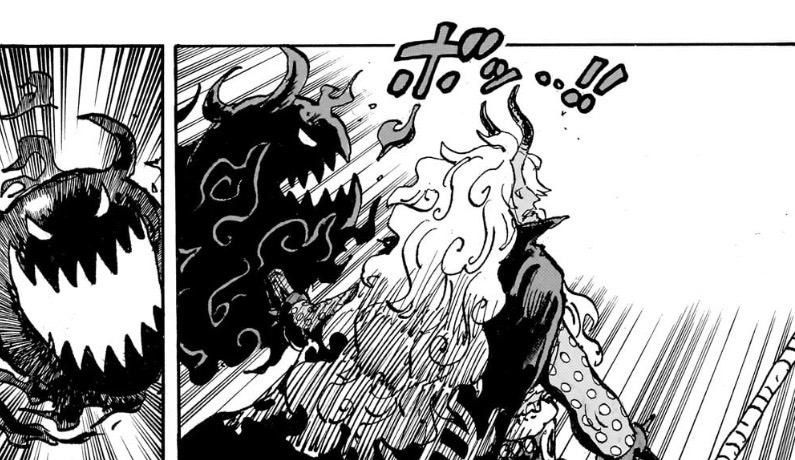
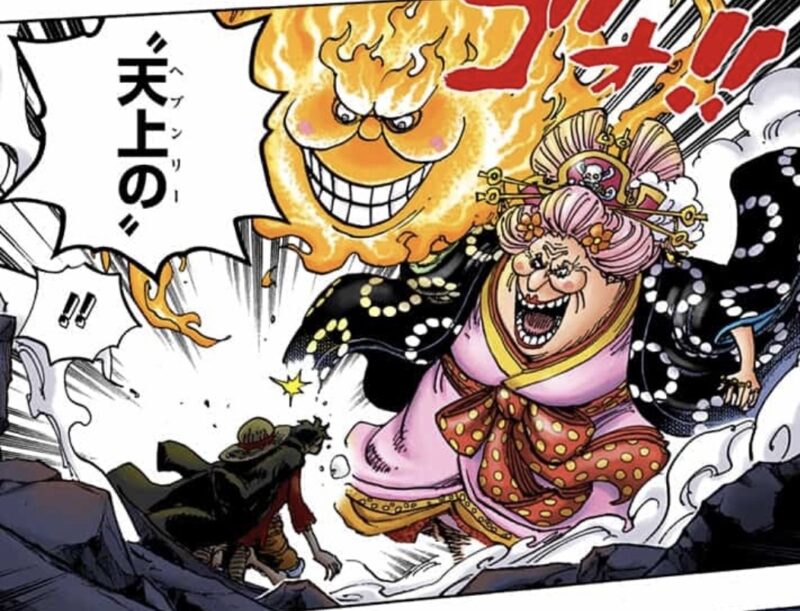
And Im enlarging with Omen — for a split second I thought “Is this Luffy’s Gear 4?” — but looking at it comprehensively, Im’s power reads like a superior version of Big Mom’s abilities.
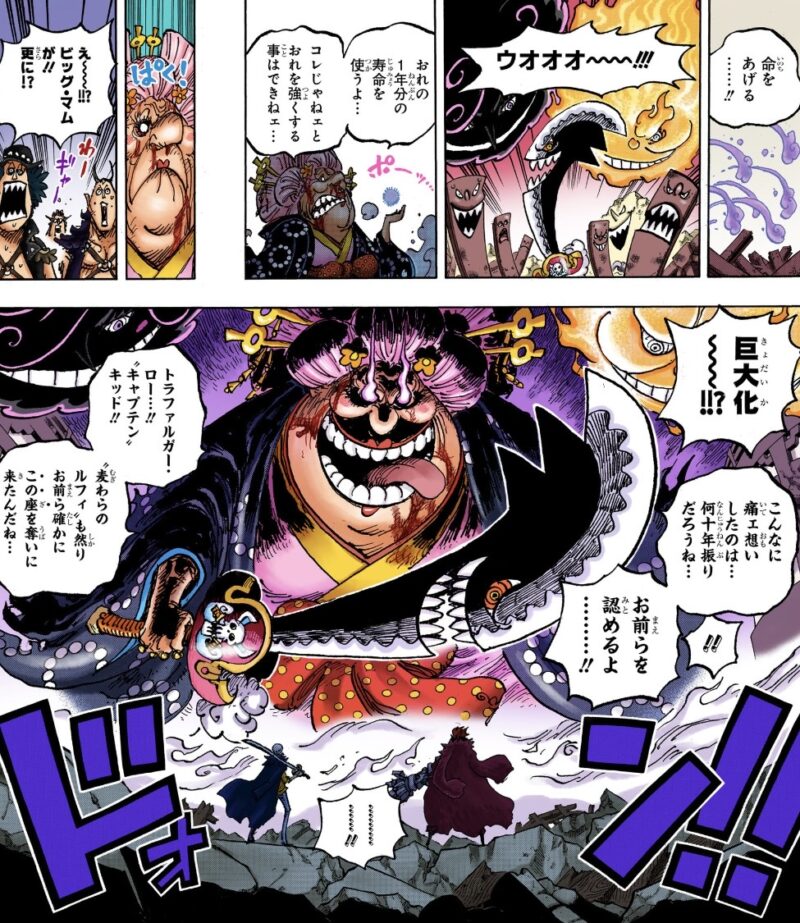
A Marineford War Energy
During the Wano arc, Kaido and Big Mom were fighting together against Luffy’s crew — but originally they were bitter enemies. That grudge likely began at God Valley, when Kaido stole the Devil Fruit that Big Mom had acquired.
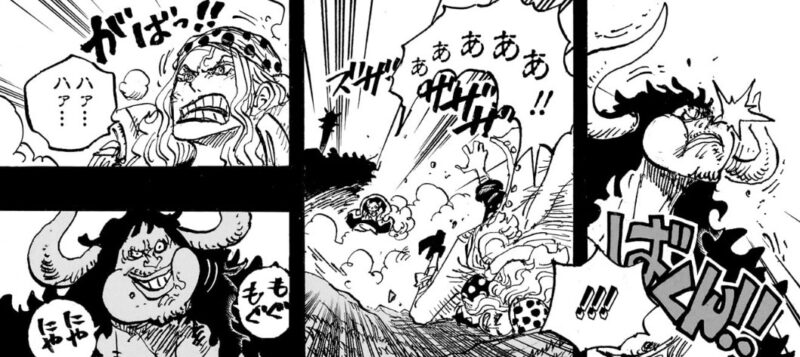
And God Valley itself was a massive clash between pirates and the World Government — the Rocks Pirates, Roger Pirates, and the God’s Knights alongside the Navy (Garp). A great war between pirates and the World Government naturally calls to mind the Summit War at Marineford. This kind of chain of association feels like exactly how Oda-sensei’s mind works.
Im plunging downward from above with a cross-shaped sword is also very Mihawk-esque.
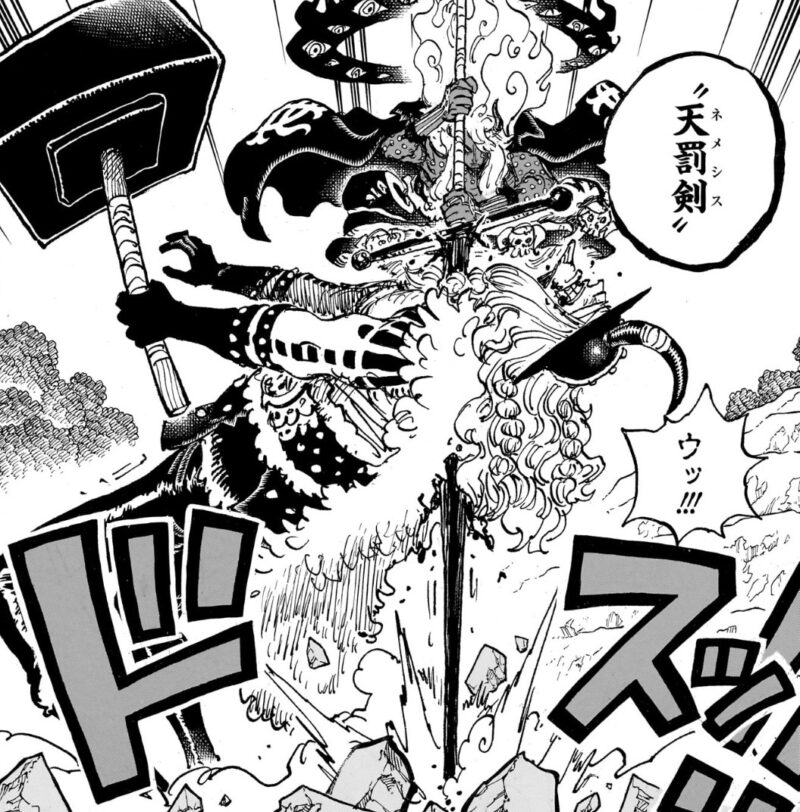
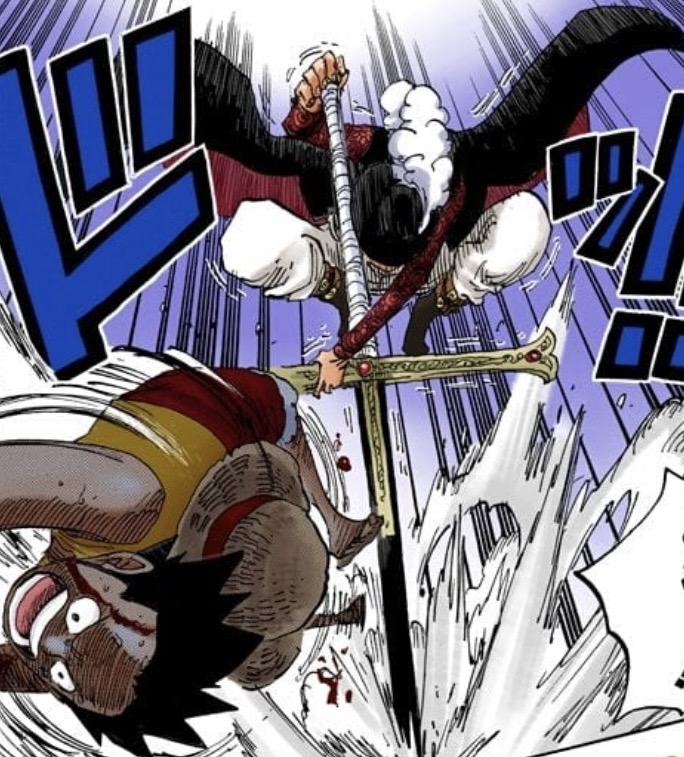
And Omen taking the shape of a flail that Im swings around is reminiscent of Lacroix (Rakuyo), the 7th Division Commander of the Whitebeard Pirates.
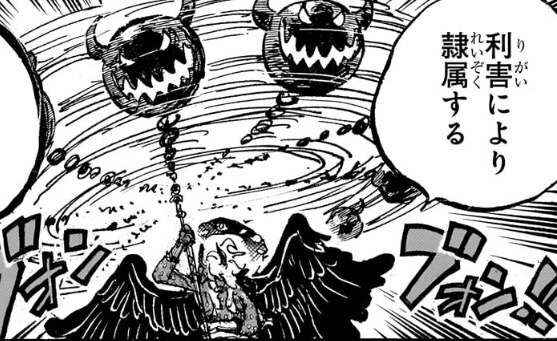
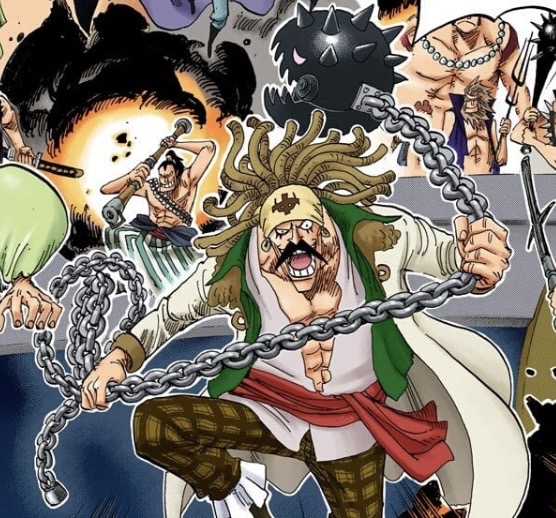
But the Wano Country homage is still the dominant thread running through this chapter.
Nidhogg Returns
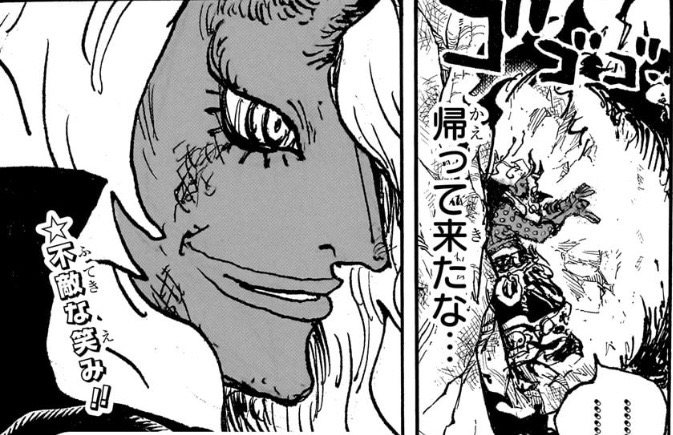
Im has been alive for at least 800 years. And Nidhogg‘s Devil Fruit went uneaten for all those centuries. This situation feels parallel to Zunesha — who has lived for over 1,000 years — rejoicing at the return of Joy Boy, the previous Nika user who died 800 years ago.
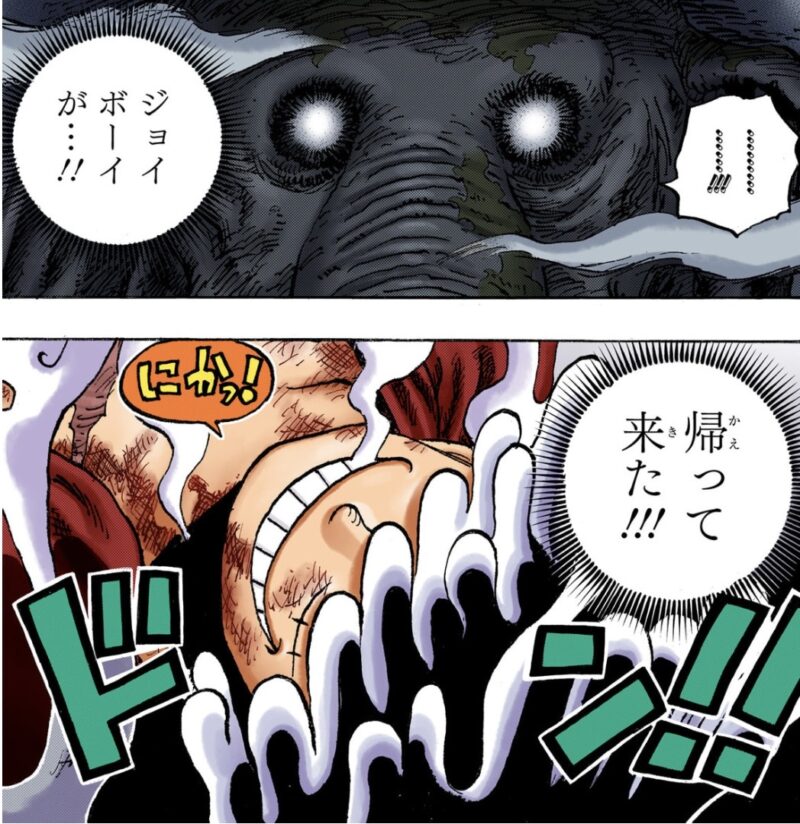
Could both of them be rejoicing at reuniting with a friend they haven’t seen in hundreds of years? The silhouette in Im’s flashback, casually conversing — that has to be Joy Boy wearing a straw hat, and Im.
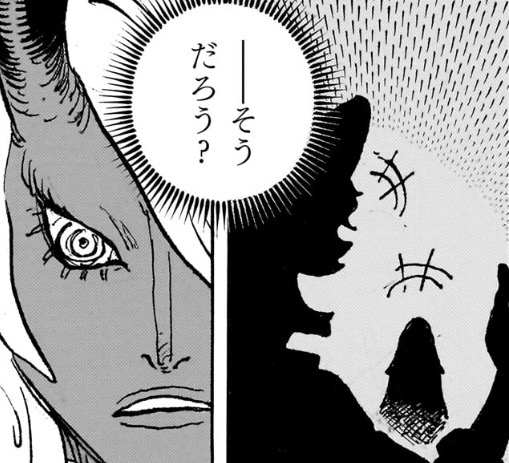
Im, Joy Boy, and Nidhogg — there’s a strong chance they were all originally friends or companions.
Cover Page Theory
Loki = Kaido. Im = Big Mom. Im joyfully saying “You’ve come back” upon seeing Nidhogg = Zunesha. This chapter was packed with Wano Country self-homages from start to finish.
Speaking of Wano, I previously wrote a mythology-based theory that “Luffy in Wano is modeled on Ōkuninushi, and Carrot is the White Hare of Inaba.” This week’s cover page confirmed that theory.
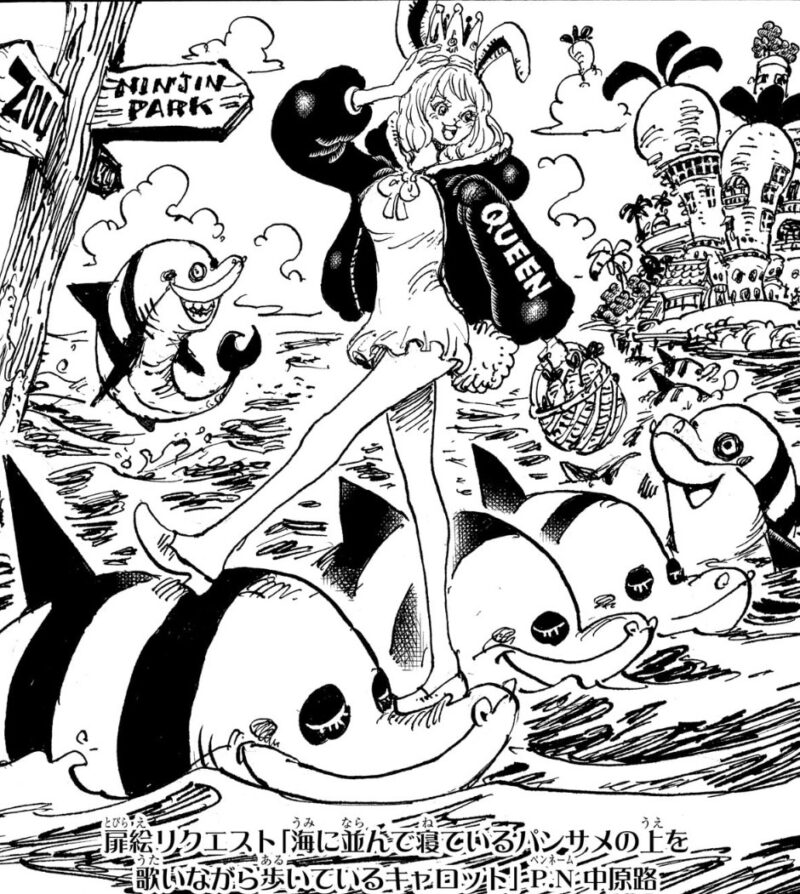
Carrot (a rabbit) lining up sharks in a row to use as stepping stones and crossing the sea — this is unmistakably modeled on the White Hare of Inaba from Japanese mythology. And if Carrot is the White Hare of Inaba, then Luffy, whom Carrot adores, is Ōkuninushi.
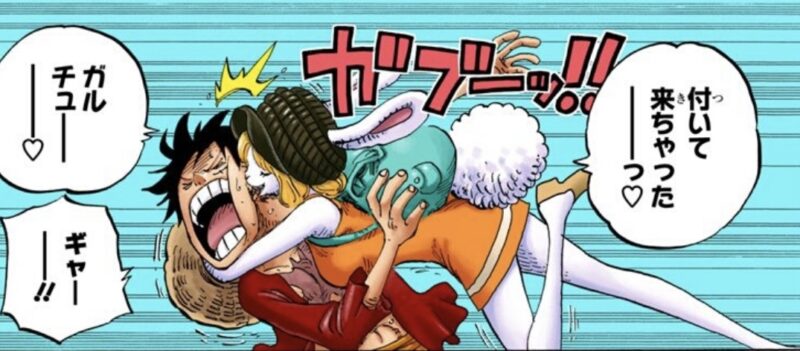
Susanoo = Kaido. Susanoo’s daughter = Yamato. Luffy defeating Kaido with Yamato’s help and gaining Yamato as an ally — it perfectly mirrors the legend of Ōkuninushi. Furthermore, Ōkuninushi is affectionately known as “Daikoku-sama,” which is also a name shared by one of the Seven Lucky Gods.
Speaking of the Seven Lucky Gods — they came bearing a treasure ship. Luffy gifting a treasure ship to the impoverished Ebisu Town makes him precisely one of the Seven Lucky Gods.
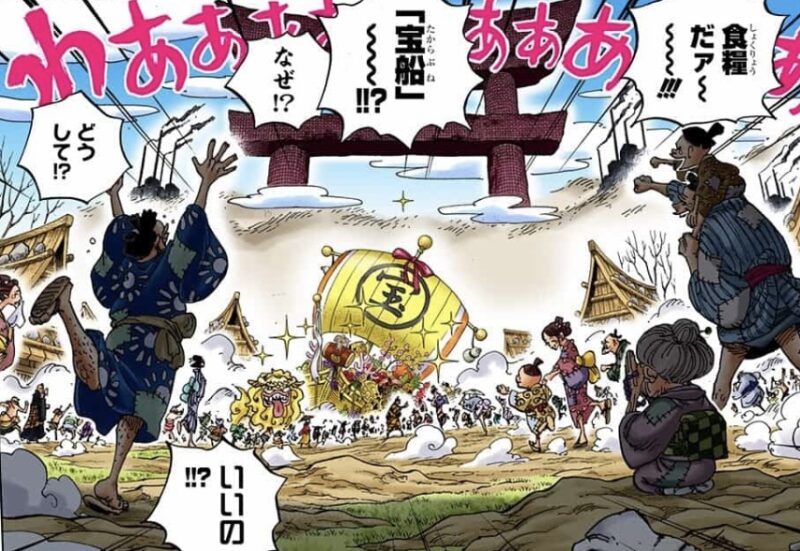
The Seven Lucky Gods were assembled from deities of India, China, and Japan. Daikoku-sama (Mahakala) is the Hindu god Shiva. In Sanskrit, “Mahakala” means Maha (great) + Kala (darkness). In kanji: 大黒天 — where 天 means “god.” So Daikoku-sama is originally a fearsome deity of darkness, the destroyer god Shiva.
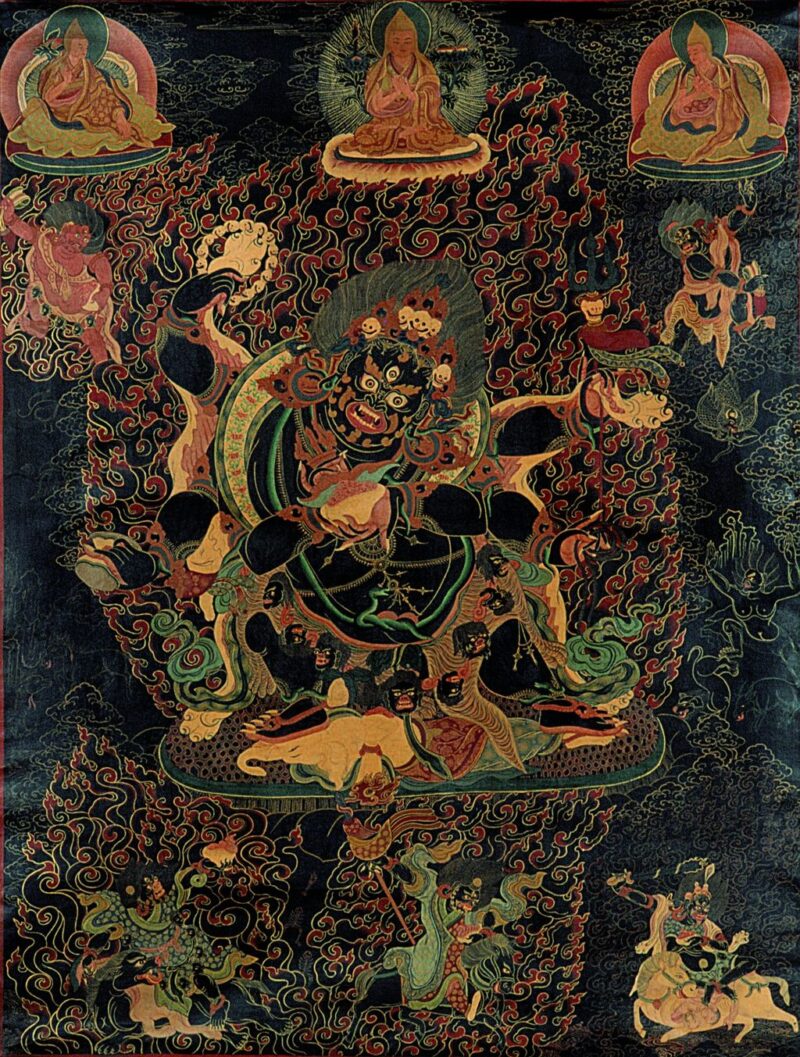
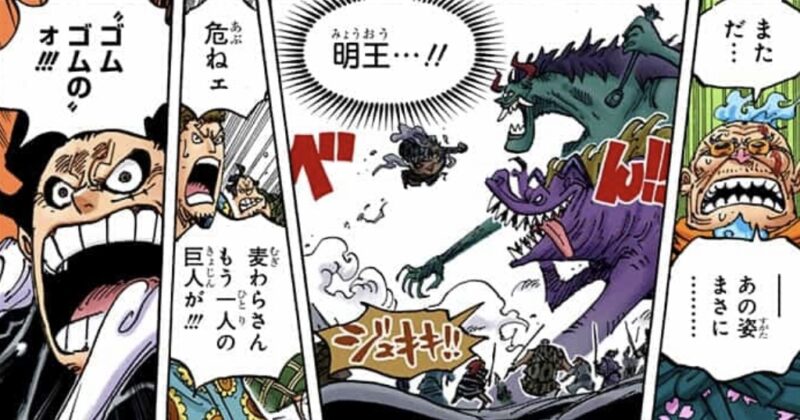
This pitch-black, terrifying form is called a Vidyaraja (明王, Myōō). Hyogoro mentioned it when he saw Luffy’s Gear 4. Oda-sensei packed all of these threads — Ōkuninushi, Daikoku-sama, Mahakala, and the Vidyaraja — into Luffy.
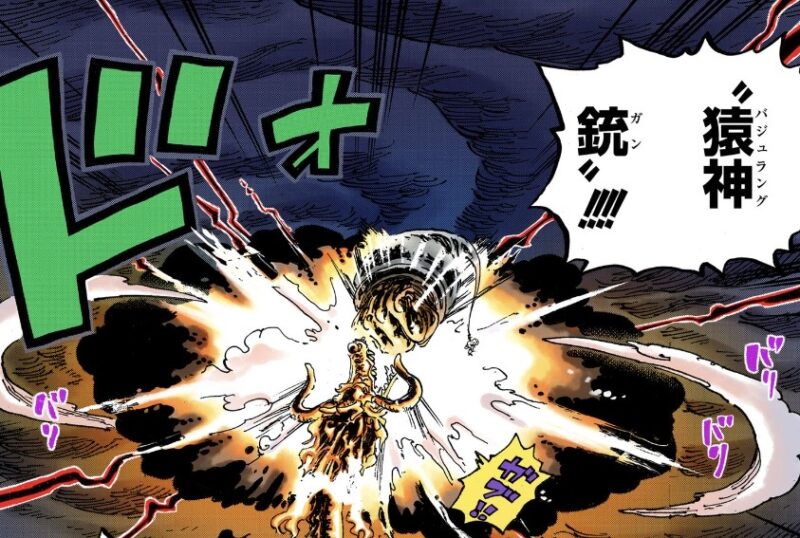
Mahakala is also another name for Shiva — a deity with countless avatars who can take many different forms. The 11th avatar (or son) of Shiva is said to be the monkey god Hanuman, also known as Bajrang:
So tracing the chain from Carrot’s cover page: White Hare of Inaba → Ōkuninushi → Daikoku-sama → Mahakala → Shiva. The Shiva element still feels a little thin here, though.
Shiva = Destroyer god. Destroyer god = Nika, as described in Elbaf’s lore.
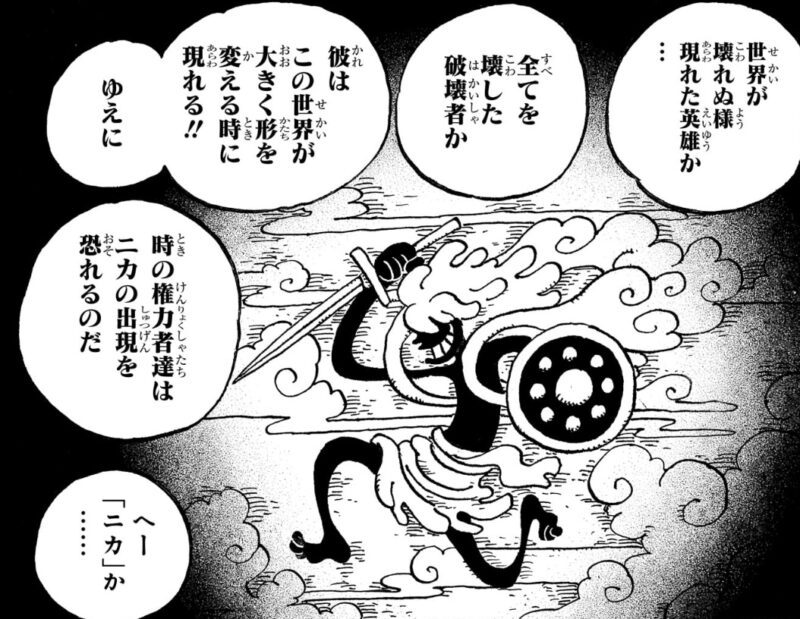
So Shiva’s element was transferred into Nika and carried forward into the Elbaf arc. Which means the final chapters of One Piece will draw heavily from Indian mythology.
- Pluton and Laputa are modeled on ancient weapons from Indian mythology
- Luffy’s hometown Goa is a real city in India
- The Lunarians are modeled on the Aryans who established the caste system in India
- The Five Elders’ connections to Indian mythology
I’ve been writing about these Indian mythology connections for years. With the holiday coming up, it might be a great time to read through them all.
That’s all for today. See you next week.
Related Reading
- ← Chapter 1180: “Omen” — The Horror Film About the Devil’s Child
- → Chapter 1182: “Zaza” — Im’s Technique “Tzitzimitl” Brings the End of the W
- Browse all Chapter Analysis (Ch. 1127–1186) →