The Hidden Meaning in Zoro’s Name
Previously, I analyzed how Luffy and Nika have roots in ancient Indian mythology. But as it turns out, Zoro’s origins trace back to the same source — and in Zoro’s case, the trail leads even deeper, all the way to humanity’s oldest mythological traditions.
Let’s start by tracing the etymology of the name itself.
Zoro is a character with roots in the Shimotsuki clan of Wano — a powerful samurai family — who wields Japanese katanas and reveres Buddhism. And yet he carries a distinctly European-sounding name. That name itself turns out to be one of the biggest keys to decoding the “world’s dawn” that will likely be depicted in One Piece’s final arc.
In this analysis, we’ll use three lenses: the “Fox,” “Buddhism,” and the ancient religion called “Zoroastrianism” — said to be the world’s oldest monotheism — to reveal the layers of meaning packed into Zoro, and the deeper secrets of the One Piece world.
“Fox” in Spanish and the Shimotsuki Clan Connection
The origin of the name ‘Roronoa Zoro’
The name Roronoa is taken from the 17th-century Caribbean pirate (buccaneer) François l’Olonnais.
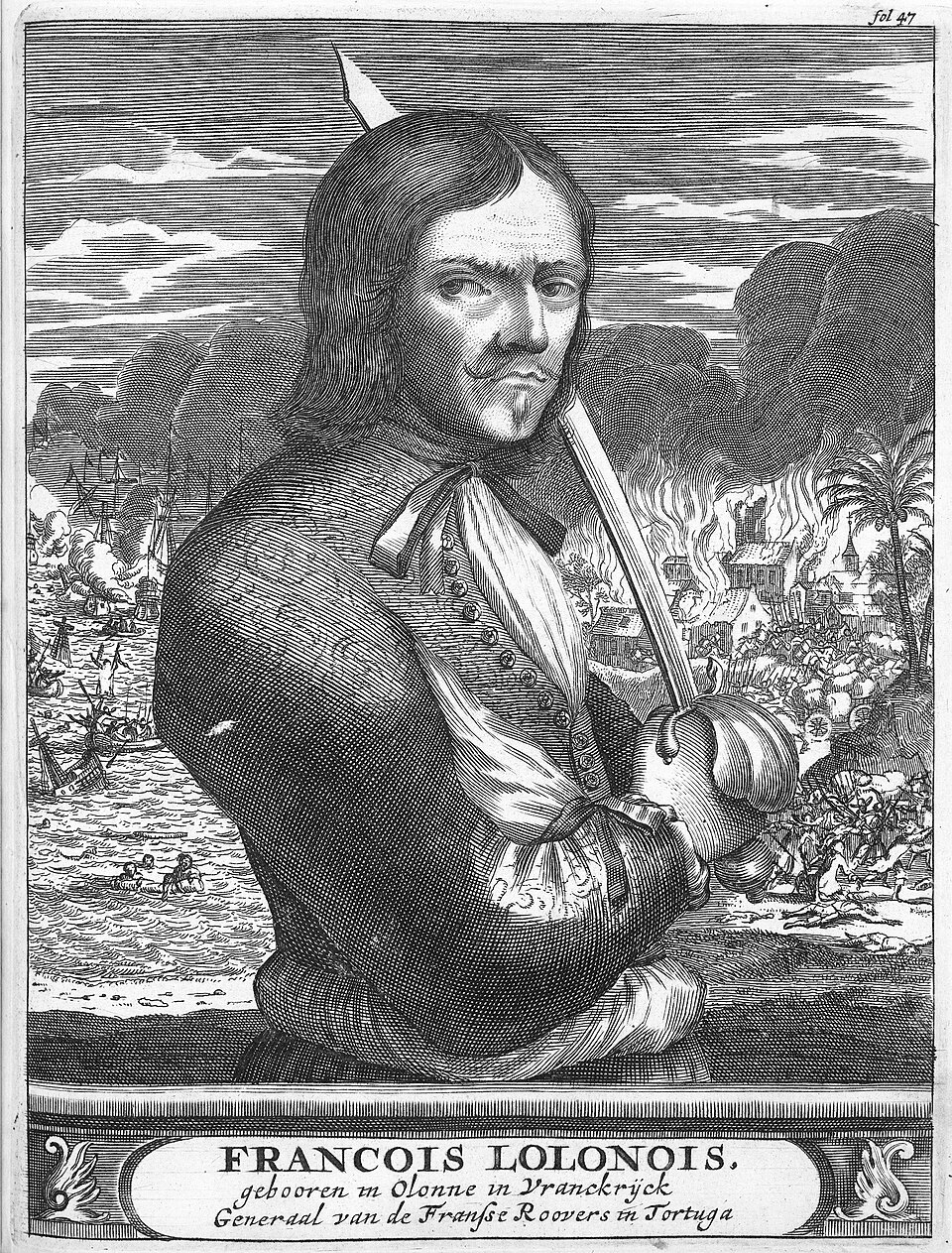
François l’Olonnais (born Jean-David Nau) was a French pirate who terrorized the Caribbean in the 1660s, feared by the Spanish as “the Scourge of the Spaniards.” He was extraordinarily brutal even by the standards of the era — known for cutting open prisoners’ chests to eat their hearts, and inflicting horrific torture on the inhabitants of towns he captured.
Zoro’s overwhelming cold-bloodedness can be seen as a projection of François l’Olonnais’ ferocious image.
As for the name “Zoro” itself — it’s well known that the model is the globally famous hero “The Mask of Zorro.”
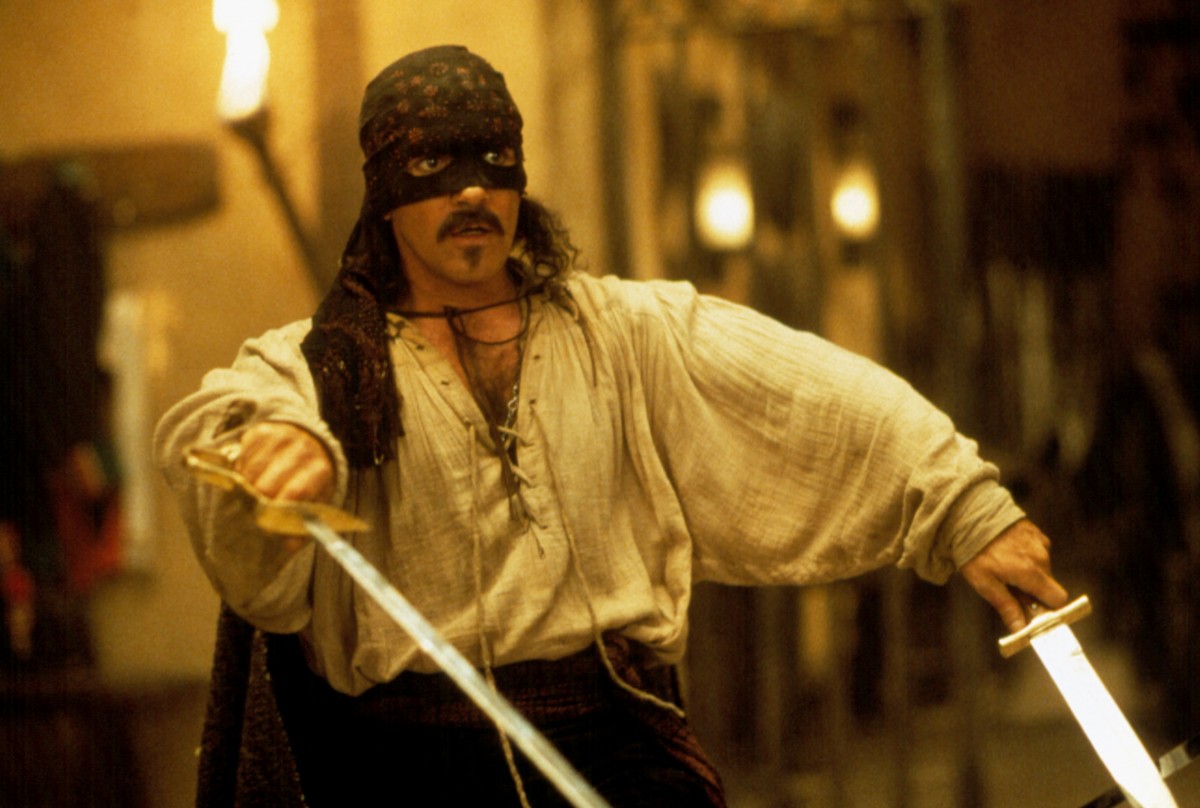
The word “Zorro” in Spanish means “fox.” This is a crucial detail.
In Wano, Ushimaru Shimotsuki — a samurai descended from the Shimotsuki clan — is accompanied by a fox named Onimaru. Onimaru has the power to transform into humans and has protected the graves of the Shimotsuki clan, even masquerading as Gyukimaru (a legendary bandit), waiting for the day Wano’s dawn would come.
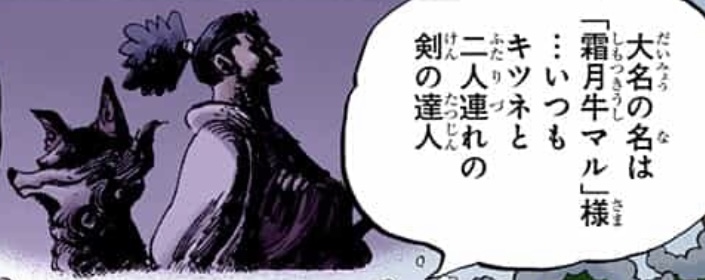
The Shimotsuki clan chose a fox as their companion — and Zoro bears the name that means “fox” in Spanish. This is unmistakably intentional.
And there’s one more element: the fox. In Japanese folklore and Shinto tradition, foxes are associated with fire. The phenomenon called “foxfire” (kitsune-bi) — flickering blue-white flames that appear in forests and swamps at night — is said to be caused by foxes.
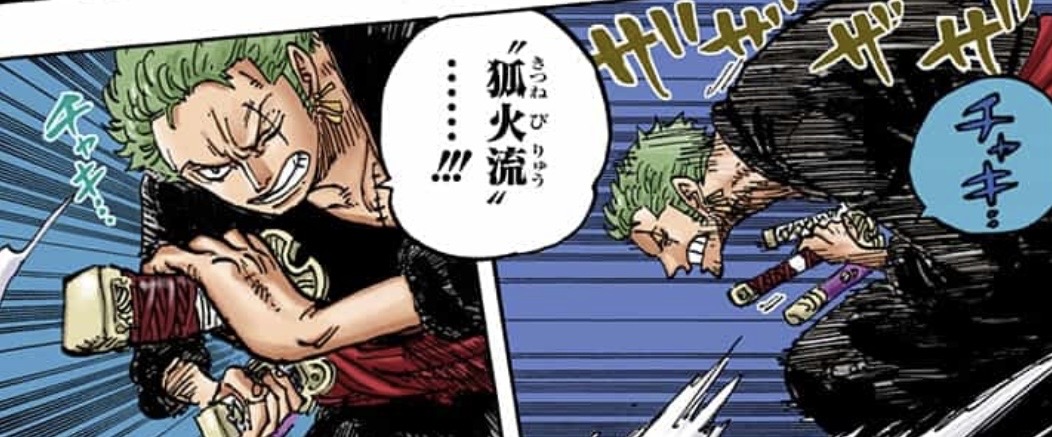
And indeed, Zoro’s sword attacks are sometimes depicted with fire. The Foxfire Style (Kitsunebi-ryu) developed during his time in Wano is literally named after this foxfire.
So: “Zoro” (the fox) is connected to fire — and a swordsman who wields fire stands alongside the Sun God Nika (the god of light and fire).
The Origins of ‘Asura’
Zoro frequently uses Buddhist terminology in his attacks.
‘Three-Thousand Worlds,’ ‘Nine Mountains and Eight Seas,’ ‘Crossroads of the Six Realms.’
But two names stand out above the rest: ‘Asura’ and ‘Enma (Emma).’ Both trace their roots back to ancient Indian mythology — the very same source as Nika.
The King of Hell — Enma

Enma is the beloved sword of Oden Kozuki, passed on to Zoro by Hiyori. True to the blade’s name, when Zoro defeated King, he declared: “I’ll become it — the King of Hell!!” In Buddhism, Enma is the feared ruler of the underworld. But his roots lie in ancient Indian mythology, where he was originally named Yama.
In Indian mythology, Yama is said to be “the first human to die” — he blazed the trail to the afterlife, carving a path into the unknown for all who came after him. He is the ultimate pioneer.
The War-Loving Demon God — Asura
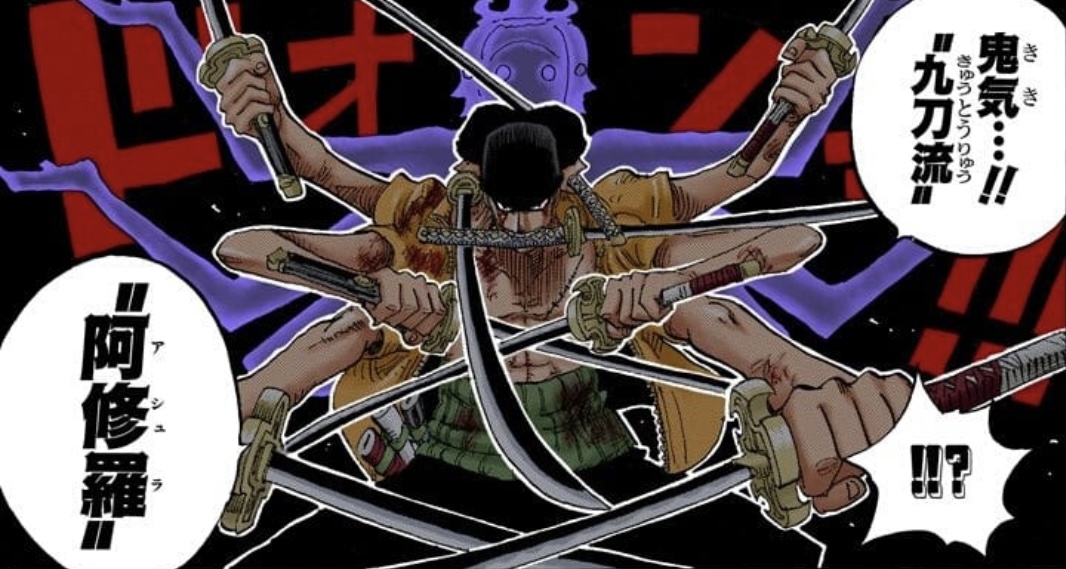
Zoro’s ultimate technique ‘Asura’ — the one that even dealt significant damage to Kaido.
In Buddhism, the Asura are beings consumed by their powerful sense of justice and endless conflict, rulers of the ‘Ashura realm’ who cannot be saved. But tracing Asura back to its roots leads to the ancient Indian ‘Asura clan’ (Asuras).
The Asuras were a powerful clan that stood in opposition to the divine gods (Devas) of the heavens.
Zoroastrianism and the ‘Inversion of Good and Evil’
Why does Zoro deliberately embrace names like ‘Asura’ and ‘Enma’ — things commonly associated with ‘evil’ or the ‘terrifying’?
The answer is hidden in the roots of Buddhism, in a story from thousands of years ago.
In ancient Indian mythology, the Asuras were the evil gods and the Devas were the good gods — and their battles were depicted accordingly. But from a source even older than ancient Indian mythology, several thousand years ago, a great migration reshaped the world.
Some tribes moved from the Central Asian steppes toward ‘India,’ others toward ‘Iran.’ Though they shared the same roots, their religions diverged into two distinct traditions over time and history.
One became ‘Indian mythology (the source of Buddhism)’ and the other became the Iranian religion ‘Zoroastrianism.’
And here, one of history’s greatest ‘name reversals’ occurred: In ancient Indian mythology, the Devas were the good gods — in Zoroastrianism, they became the Daevas (demons). In ancient Indian mythology, the Asuras were the evil clan — in Zoroastrianism, they became the name for the supreme god, ‘Ahura Mazda’ himself.
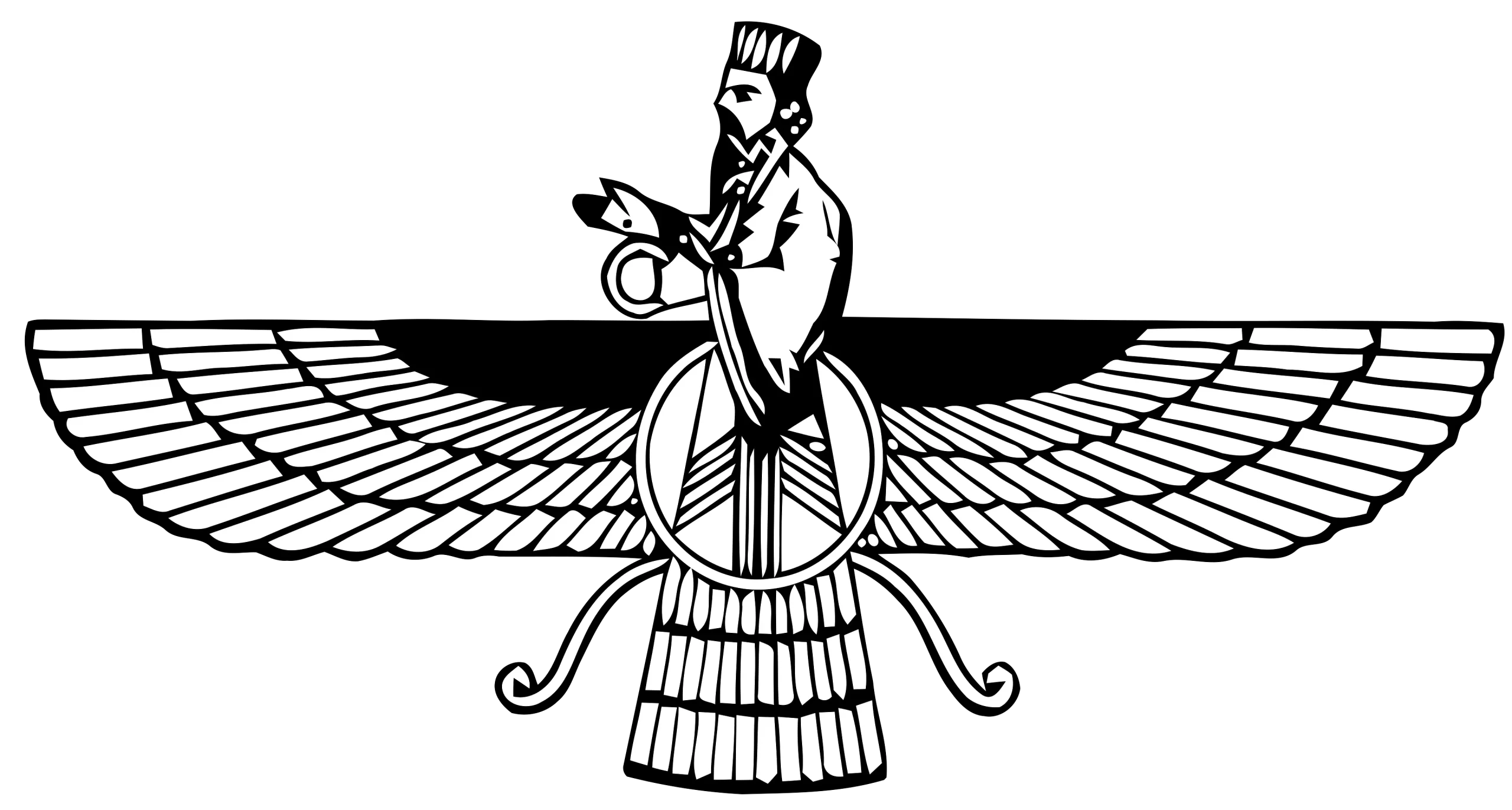
Remarkably, the ‘Asura clan’ — branded as evil in ancient Indian mythology — became the very name of the supreme god in Zoroastrianism, the world’s oldest monotheism.
Why did good and evil flip so completely? This is speculation, but perhaps the answer lies in ‘the determination of the defeated.’ Those driven from their lands in ancient times may have refused to accept their defeat, rewriting the story 180 degrees — insisting that their conquerors were the false gods, and that they themselves were the true righteous.
The Rewriting of History — Pride of the Defeated
What does this mean?
Applied to the world of One Piece, it is precisely the ‘falsification of history by the World Government.’
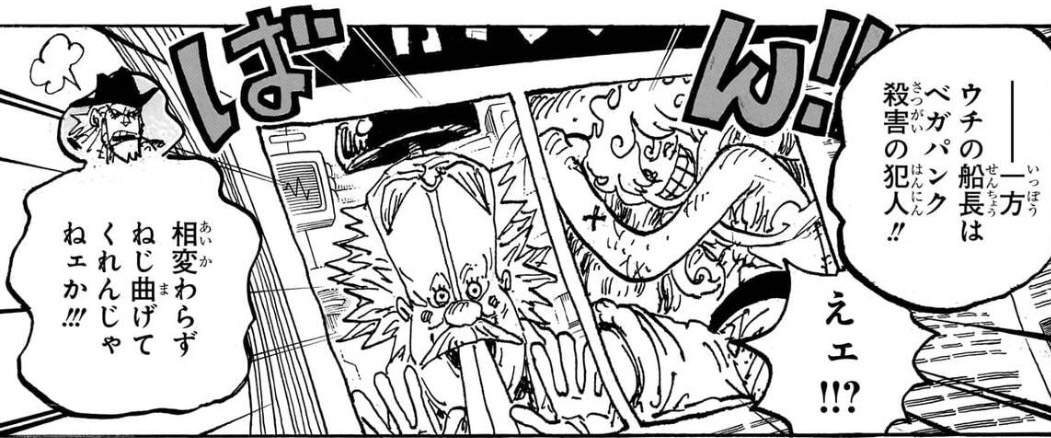
In this world where the World Government pretends to be ‘good,’ inconvenient existences — like the Lunarians once called ‘gods,’ or the Buccaneers who worshipped the Sun God Nika — have been driven to near-extinction.
Similarly, the Poneglyphs that record the true history of hundreds of years ago carry a death sentence for merely being read.
Real history and the world of One Piece are mapped directly onto each other.
The Savior Zoro and the Final Judgment
Zoroastrianism went on to profoundly influence later Christianity and Islam.
The concepts of ‘angels and demons,’ ‘the Last Judgment,’ and ‘the savior who appears in an age of darkness’ are all said to have originated with Zoroastrianism.
Zoroastrianism is also known as the ‘fire-worshipping religion’ (Zoroastrian fire worship). It holds fire as the most sacred of things — a purifying force that burns away evil.
So the chain of connections goes: Zoro’s name → ‘fox’ in Spanish → foxfire → Zoroastrianism (the fire-worshipping religion) → Zoro standing beside the Sun God (the god of fire) Nika.
Buddhist technique names → Buddhism’s roots in ancient Indian mythology → ancient Indian mythology’s roots in ancient Iranian mythology → the battle of good and evil, the clans whose good and evil were twisted.

In other words: hundreds of years ago, the World Government flipped the world’s good and evil. The story’s endgame is about flipping it back — liberating the world from the Celestial Dragons’ dominion.
And the mythological model for that story is ancient Iranian mythology — Zoroastrianism.
Zoro’s journey of origins that began in Wano has now reached all the way back to the Iranian plateau, the cradle of human civilization, and the steppes of the Aryan people.
At the Final Battle, when the world is divided into ‘gods and demons,’ the swordsman who bears the name of the ancient gods may be standing at its very center.