Roger’s Technique Names
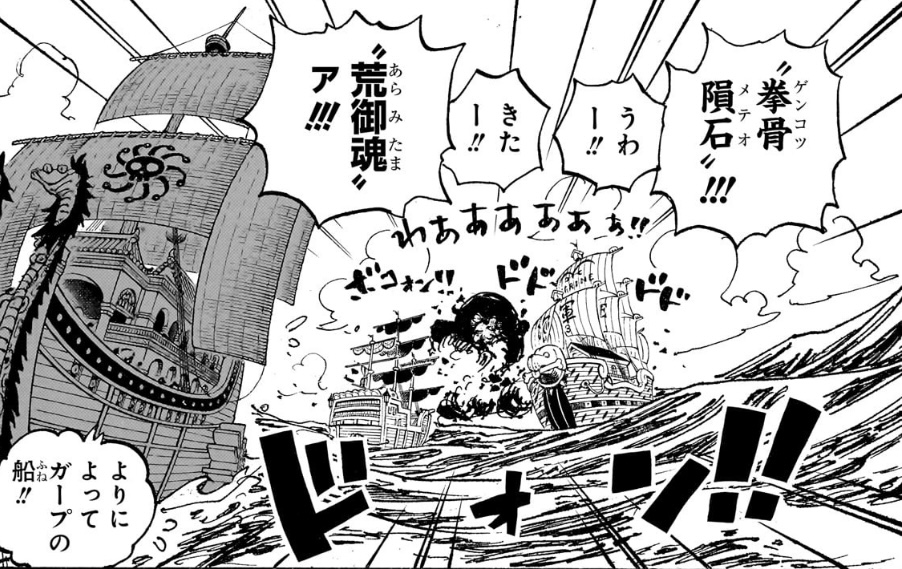
In the Elbaf flashback arc, we finally see young Roger vs Garp.
Here, another of Roger’s technique names was revealed.
‘Aramitama’ (荒御魂 — Fierce Divine Spirit)
Looking carefully at the scene, both ships are still some distance apart, and Garp is also attacking with a long-range technique.
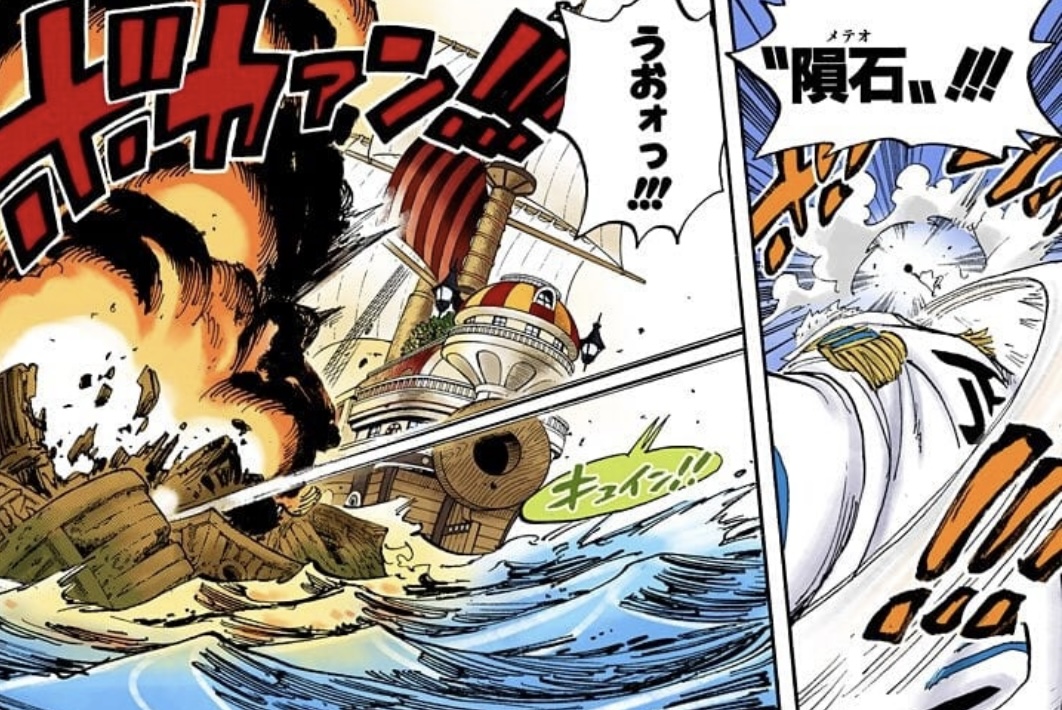
This means ‘Aramitama’ is likely a technique capable of canceling Garp’s ‘Fist Meteor.’
In other words, it’s probably a flying slash or a technique that launches compressed Haki at range.
What is Aramitama?
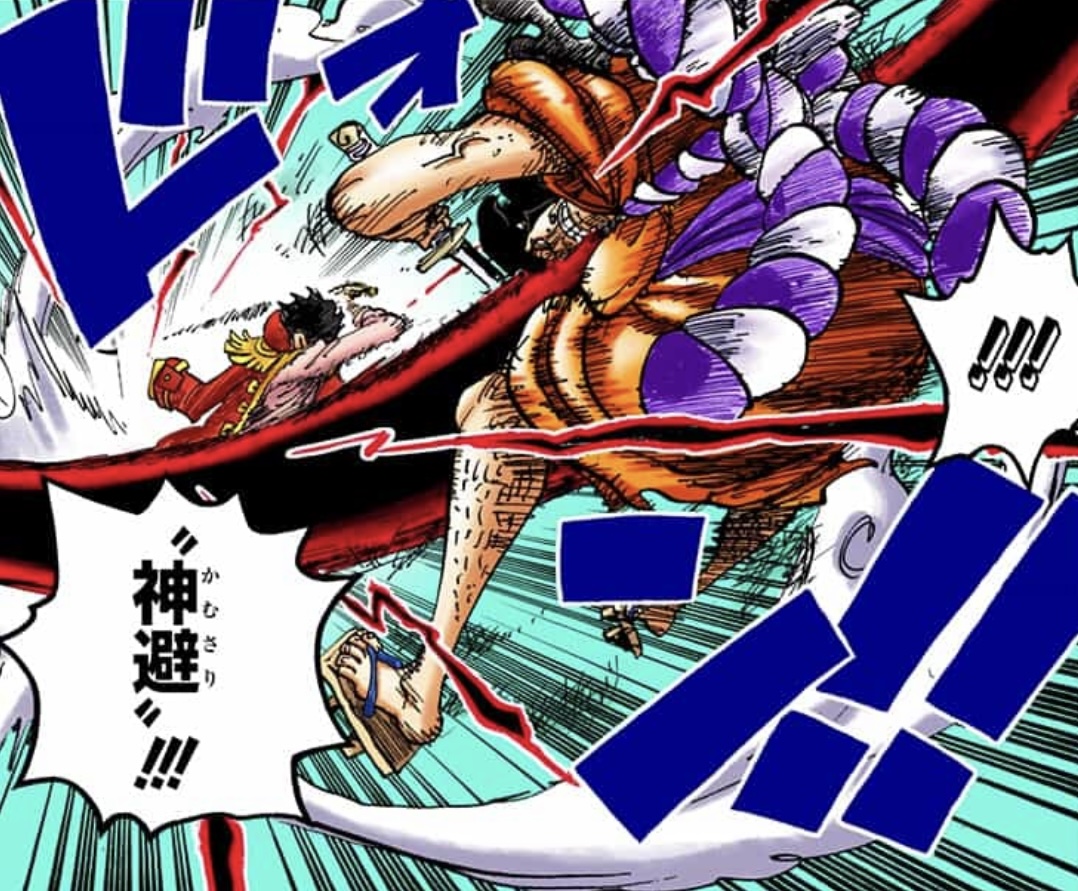
Roger’s Technique Names
Kamusari (神避): the death of a god, or the god’s departure from a place, causing divine power to vanish.
Aramitama (荒御魂): the fierce, wrathful aspect of a god. The opposite — the gentle, peaceful aspect — is called Nigimitama (和御魂).
Both are Shinto terms.
What is Shinto?
Shinto is often conflated with Japanese mythology (featuring Amaterasu, Susanoo, Tsukuyomi, Izanagi, and Izanami), but they are different.
Japanese mythology (the Kojiki) was a work of politically motivated fiction compiled by the Yamato court — the rulers of Japan — who gathered regional folk myths to legitimize their rule.
Shinto, on the other hand, is far older. Its origins lie in the Jomon period, with its core form taking shape from the Yayoi through the Kofun periods.
Shinto is Japan’s native religion. It has no founder, no scripture, and no single deity — it is an animistic and ancestral folk religion based on the belief that kami (spirits) dwell in all things: nature, natural phenomena, and the forces that surpass human power.
The reverence for nature’s power — the impulse to honor those forces as kami and pray for peaceful crops and safe lives — is the very beginning of Shinto.
Source: Wikipedia
In short, it’s the feeling of awe toward the great forces of nature, and of worshipping them as divine.
The Void Century and the Void Four Centuries
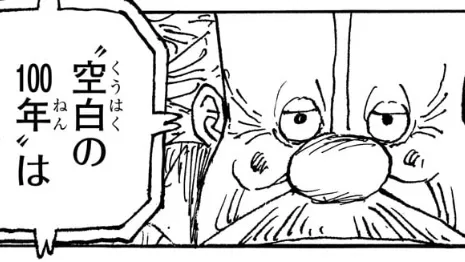
The world before the Void Century: a great ancient kingdom stood at its center.
Then a massive war consumed the world — the great kingdom vanished without a trace, and in its place, the World Government was born to rule everything that followed.
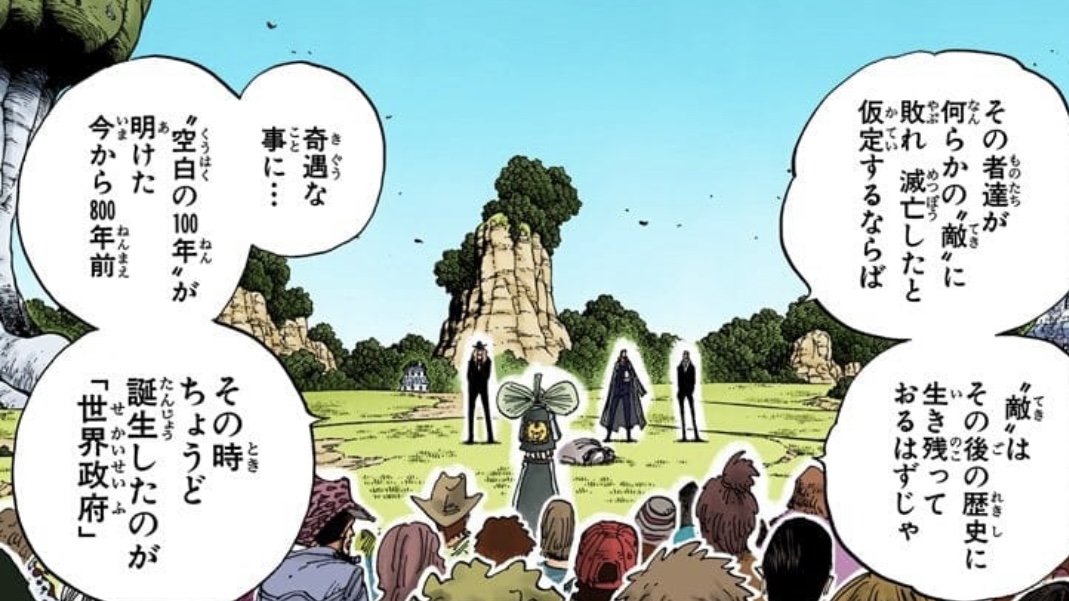
In real Japanese history, before the ‘Void Four Centuries,’ the kingdom of Yamataikoku held great power — ruled by a queen named Himiko.
But when those four centuries ended, Japan was ruled by the Yamato court instead.
Furthermore, all traces of Yamataikoku were completely erased — even its location remains a mystery (theories range from Kyushu, to Nara, to Tohoku, to the claim it never existed at all).
In other words, One Piece is — very likely — Oda-sensei the history nerd’s manga about solving the mystery of Japan’s Void Four Centuries.
Himiko’s ‘Kido’ (Demon Art)
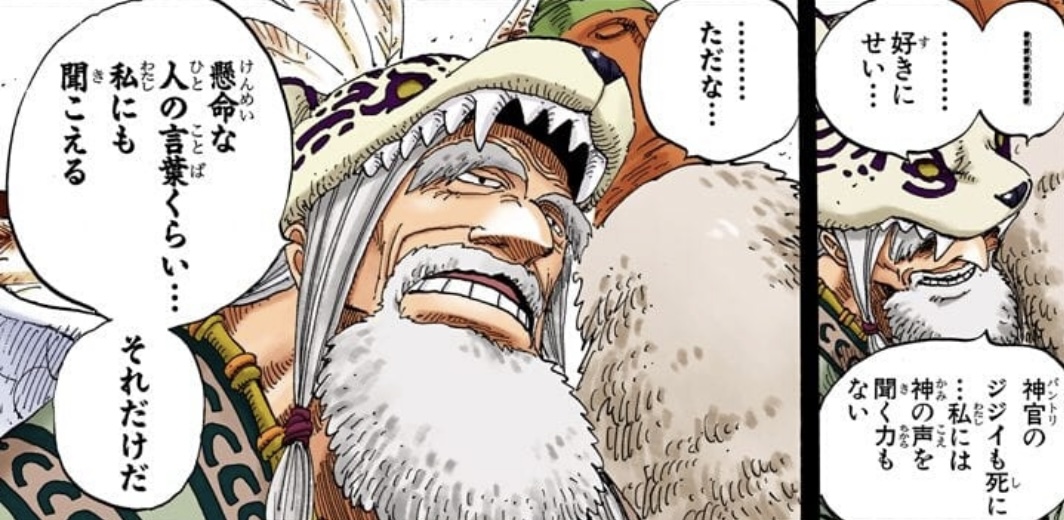
Himiko is said to have gained power by practicing ‘Kido’ — a form of divination that let her hear the voices of gods (nature) and the dead, and use that to guide her people.
This sounds a lot like the priests of Shandora (the Pontiffs) in the Skypiea arc.
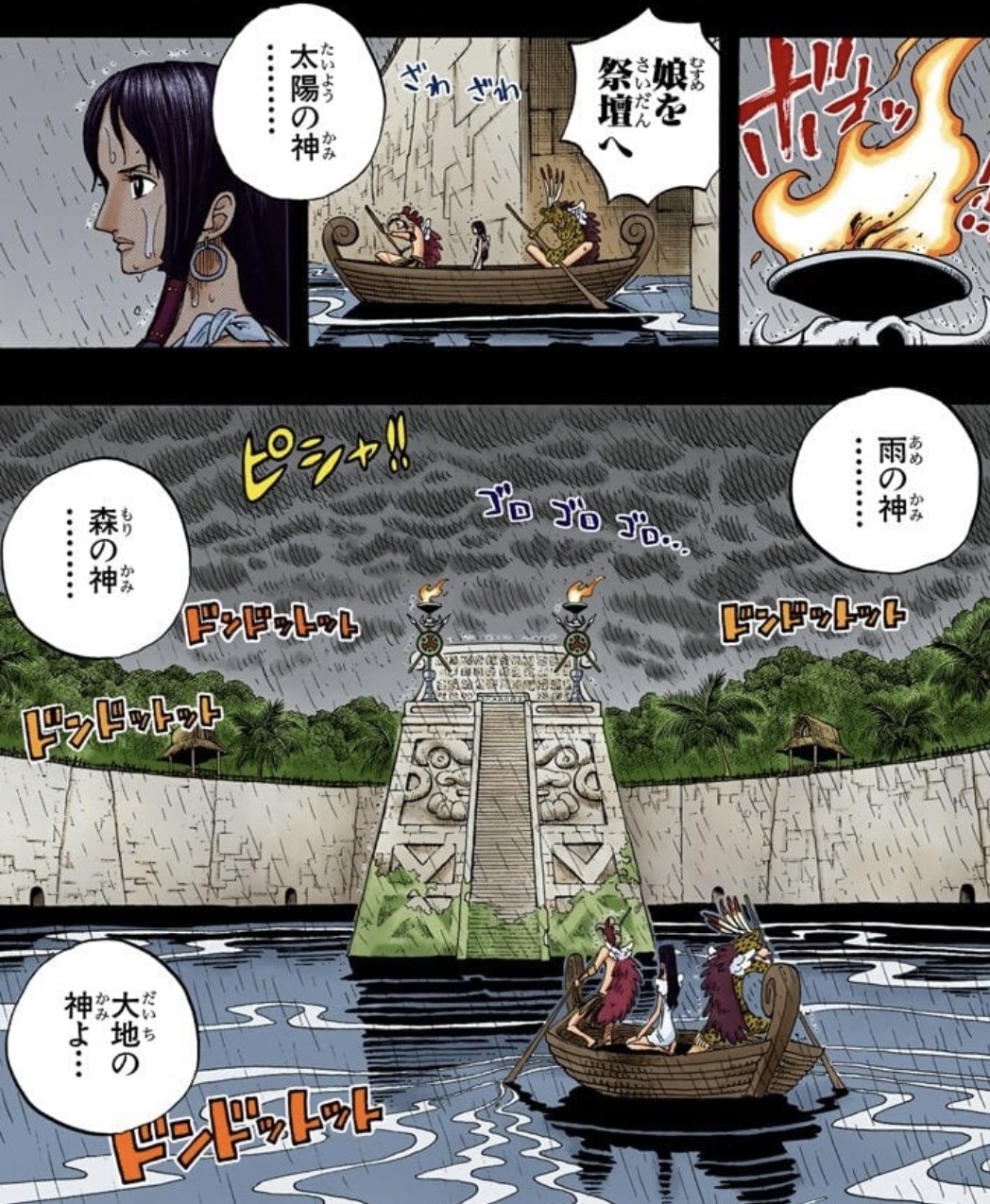
In the sacrificial scenes, phrases like ‘God of the sun, god of rain, god of the forest, god of the earth’ appear — reverence for nature as divine, just like Shinto.
Skypiea’s core theme was the denial of gods — which fits perfectly with Shinto’s vision of nature as divine.
The reason Himiko’s art was called Kido — ‘demon art’ — is almost certainly because certain forces needed to portray her as a witch to justify what came after.
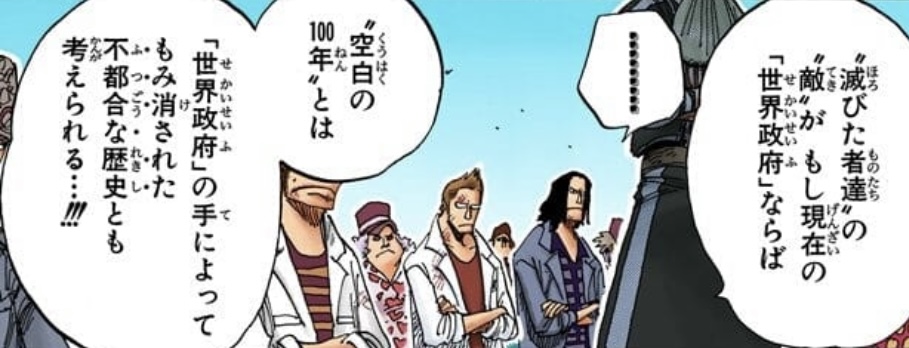
After the Void Four Centuries, Japan’s rulers became the Yamato court. But that power transition required a great war.
What triggered it? And why did the victorious Yamato court need to attack Yamataikoku?
‘We just wanted the power and resources’ isn’t an acceptable reason.
Because the descendants of Japan’s kings — the Emperor — still sit at the nation’s summit to this day. The ancestors of Japan’s rulers cannot be mere invaders and plunderers. The trigger for war required moral justification.
History is always written to suit the victors. The defeated are endlessly cast as villains.
One Piece makes this mechanism of history feel almost intuitive.
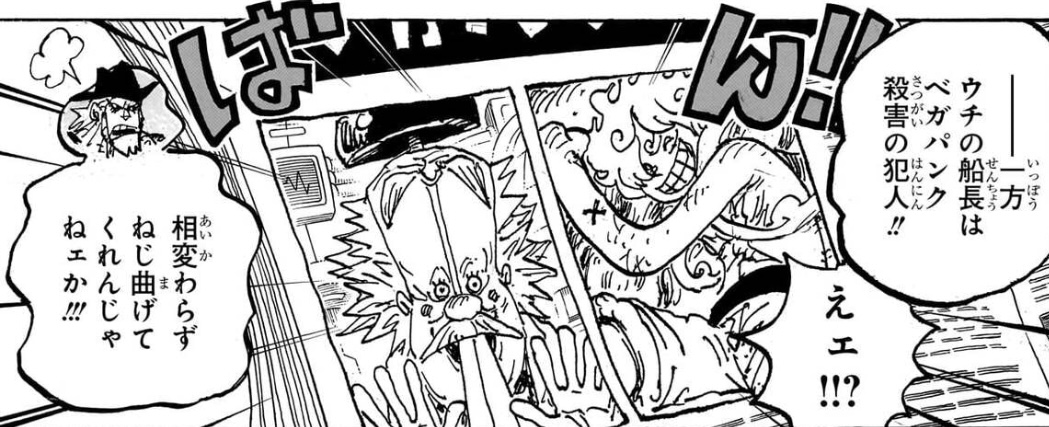
So if Oda-sensei is modeling the Void Century on Yamataikoku and Himiko:
The World Government = the Yamato court. The Great Ancient Kingdom = Yamataikoku. And Himiko — the woman framed as a witch who ‘bewitched the people with Kido’ — could she be… Nefertari D. Lily? Or perhaps Nami’s birth mother?
Either way, I believe Oda’s view of Himiko’s Kido is positive — not a sinister art, but a genuine power that saved and guided people.
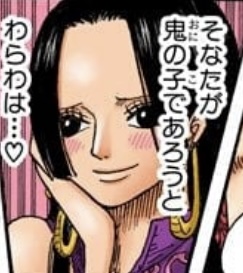
The evidence: characters called ‘oni’ (Roger, Ace, Luffy, Yamato, Red Oni Dorry, Blue Oni Brogy) are consistently portrayed as the good guys.
Digression: Izumo Province
While researching Roger’s technique ‘Kamusari’ (god’s departure), I found the opposite term: ‘Kamiari’ (god’s presence/arrival).
In the Japanese calendar, October is called ‘Kannazuki’ (Month Without Gods) — because all the gods gather for a divine congress in Izumo, leaving the rest of Japan empty of divine presence. Conversely, in Izumo itself, October is called ‘Kamiarizuki’ (Month of the Gods).
Izumo is also the land of the ‘Kunitsukami’ land-pulling legend, where a massive god named Yatsukami dragged floating islands across the sea to attach them to Japan.
Land-pulling legend… that’s Oars.

Okuninushi
Izumo is also famous for Okuninushi’s ‘land cession’ — the legend where Okuninushi, king of Izumo, was told by Amaterasu to surrender his nation, and complied without resistance.
This god Okuninushi is affectionately called ‘Daikoku-sama’ by the locals, using the on’yomi (Chinese-style) reading of the kanji — the same pronunciation as the Seven Lucky God ‘Daikoku.’
Because they share the same reading, Okuninushi and the Seven Lucky God Daikoku are considered the same deity.

Seven Lucky Gods → the Treasure Ship.
The Treasure Ship → Luffy.

Luffy in Gear 5 was likened to a Vidyaraja (Myoo — a Wisdom King in Buddhist iconography).
The Vidyaraja and Daikoku are actually connected.

Both ultimately derive from the Indian god Shiva.
Luffy is Shiva, the Destroyer God

Daikoku originates from Mahakala — the avatar of Shiva, the Hindu god of destruction and rebirth. Mahakala entered Buddhism and was eventually absorbed into Japanese folk religion as Daikoku, one of the Seven Lucky Gods and a deity of fortune and wealth.
The Vidyaraja (Myoo) is also considered one of the forms Shiva took when absorbed into Buddhism.

The third eye → that’s Pudding. She’s currently with Blackbeard.
Snake Man — Luffy’s form where he unleashes snake-named techniques — also reflects Shiva’s association with snakes.

So: Luffy = Shiva with snakes. This means Luffy will likely tame Loki — who I believe has a giant snake Zoan ability.


And so — every major One Piece foreshadowing ultimately connects back to India.