The Great Snake: Essential to Both Skypiea and Norse Mythology
The current Elbaf arc is in the middle of the God Knights’ child-kidnapping game.
As I explained in my previous articles, this is a homage to the trials of Skypiea.
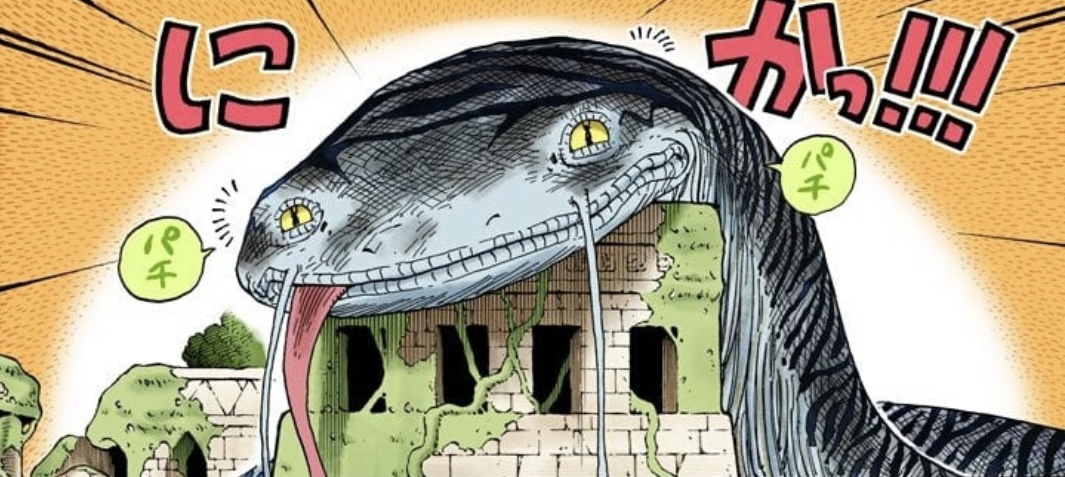
And when it comes to Skypiea, you can’t overlook the giant snake ‘Uwabami’ — who appeared in Noland and Calgara’s backstory. Not as a pet of Lord, not as a friend of Loki, not as children’s graffiti — a genuine powerful character.
And as I explained in my Norse mythology comparison article, when it comes to Loki and Ragnarok, the three great warriors who charge into the final battle first — Fenrir, Jormungandr, and Hati/Skoll — are essential.
Up until the Wano arc, I thought Fenrir = Yamato and Jormungandr = Momonosuke.
But I’ve found various pieces of evidence suggesting Loki himself might be the Jormungandr (World Serpent) ability user, so let me explain.
Snake Biology
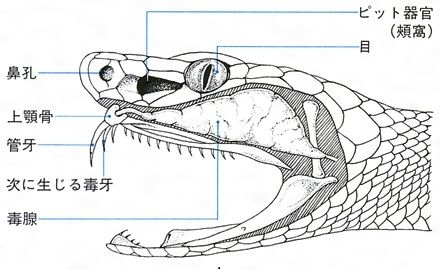
Snakes have a specialized sensor called the pit organ, located between their nose and mouth.
It works like a thermal camera — a heat-sensing organ that lets snakes acutely detect the body temperature of surrounding creatures, especially useful for hunting in the dark.
Snakes also extend their long tongues to catch scent particles in the air, then transfer them to the Jacobson’s organ in the roof of their mouth, giving them an extremely keen sense of smell.
In other words — snakes can see the heat of nearby creatures and have sharp smell, so they don’t need to rely on eyesight at all.
This snake biology matches perfectly with Loki’s appearance: blindfolded, with his tongue hanging out.
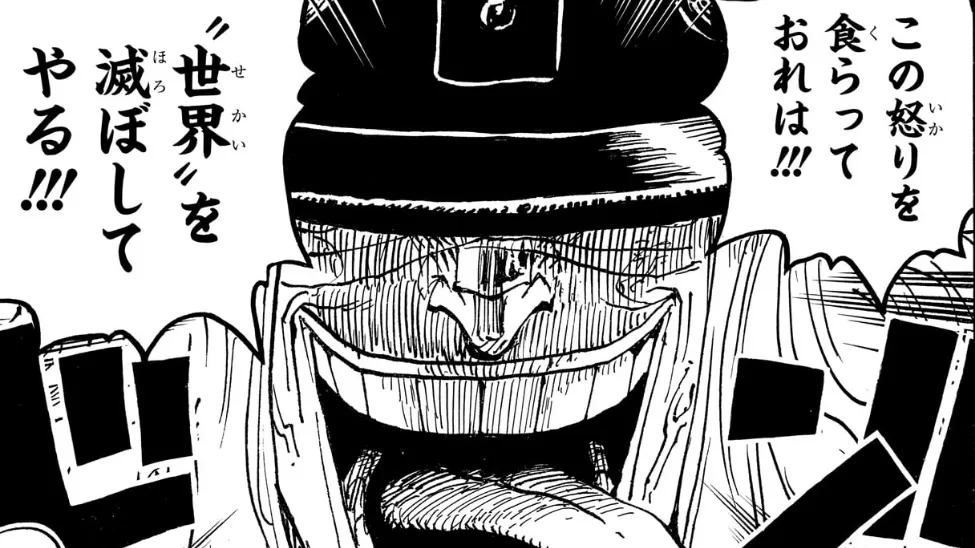
And then there’s Loki’s bounty: 2.6 billion.
The number 26 in Japanese can be read as ‘nyoro nyoro’ (2=ni, 6=roku → niro → nyoro) — onomatopoeia for a snake slithering.
If Loki, with his massive body, were a snake ability user, his transformed form would perfectly match Uwabami from Skypiea — completing the homage.
A Snake with Elbaf’s Weaknesses
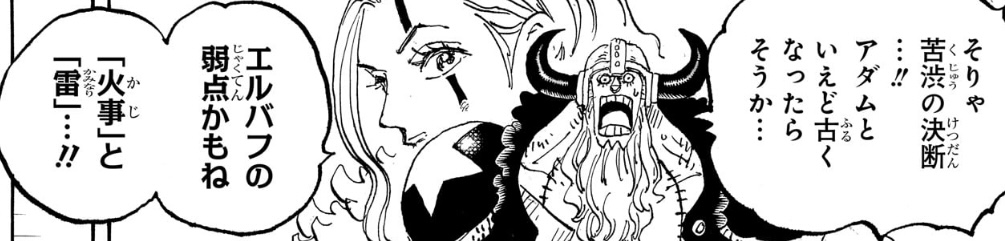
Elbaf’s weaknesses were fire and lightning.
Coincidentally, the snake Zoan users who have appeared in the past were depicted with both of those attributes.
From Amazon Lily: Thunder (lightning) Sonia, and Salome the Salamander (fire).
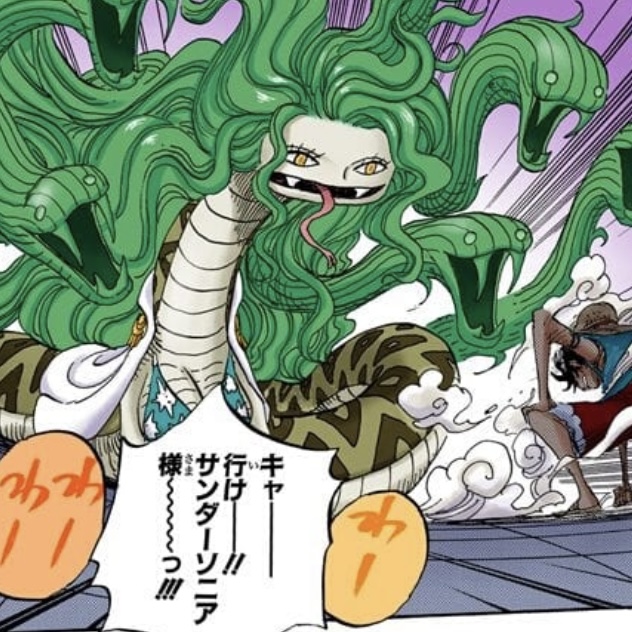
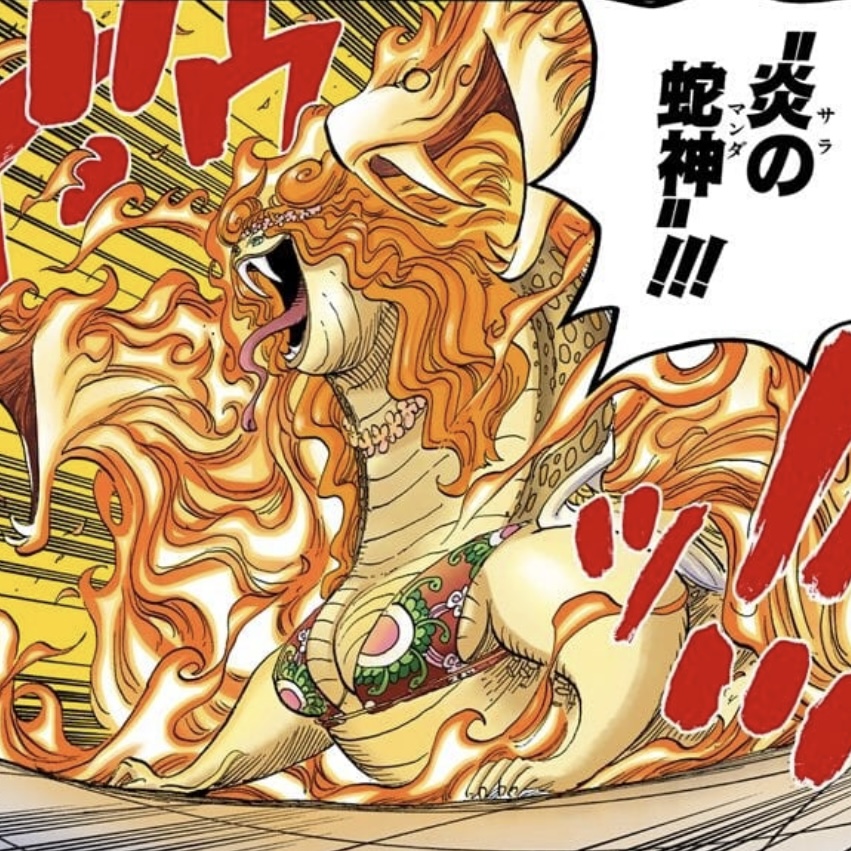
Was this just a coincidence, or was it foreshadowing for the Elbaf arc? When Loki’s true ability is revealed, we’ll have our answer.
The Snake-Snake Fruit, Mythical Zoan Model…
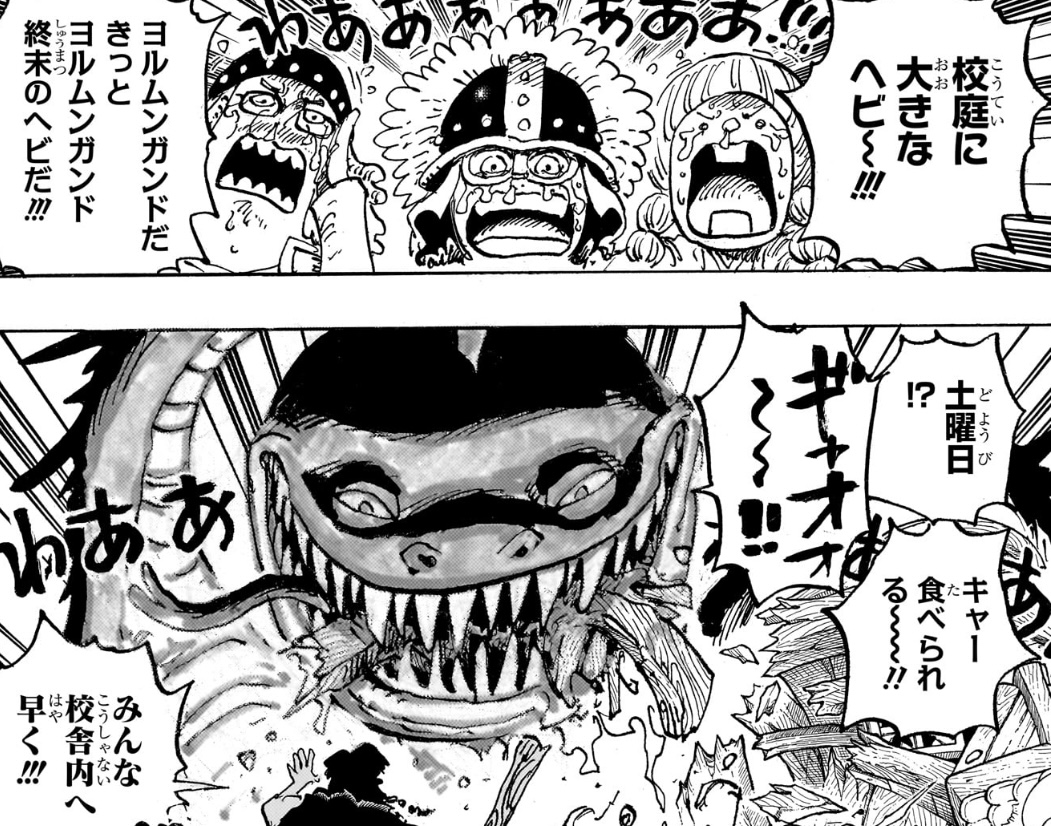
So, it’s safe to say Loki has a high probability of being a snake ability user.
As for the model — given that Elbaf is based on Norse mythology, and the final battle between Imu and Luffy will likely be modeled on Ragnarok — the first candidate is:
Snake-Snake Fruit, Mythical Zoan Model: Jormungandr.
Though I wonder if it’ll really be that straightforward. There’s the Bajrang Gun precedent too.
So let’s also put other mythological snakes in the running.
Snakes are Always God’s Natural Enemy
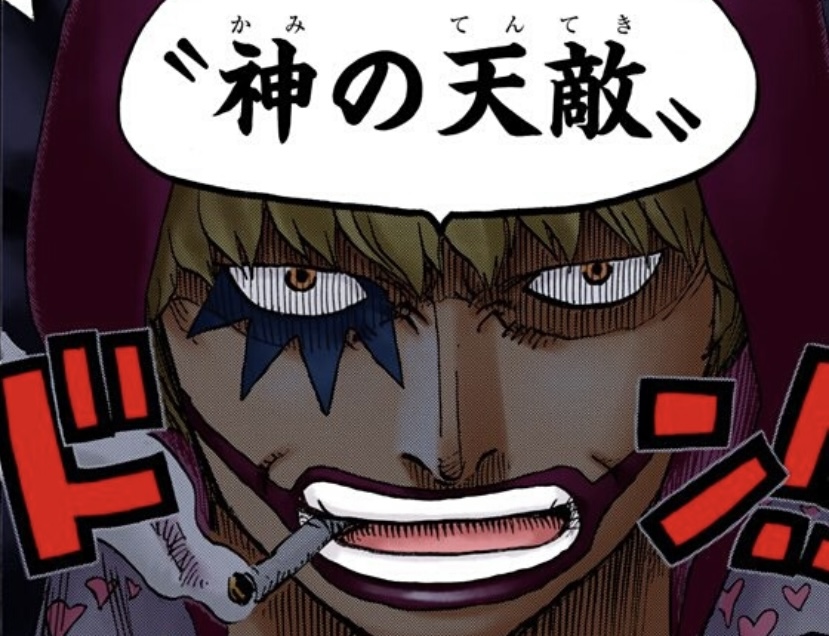
The D clan was called ‘God’s Natural Enemy’ at Mariejois.
So for Loki — a snake ability user — to become an ally of Luffy (who carries the D) and fight against Imu and the Celestial Dragons, the snake form is absolutely perfect.
Because across every real-world mythology, snakes have always been the enemies of gods.
The Bible
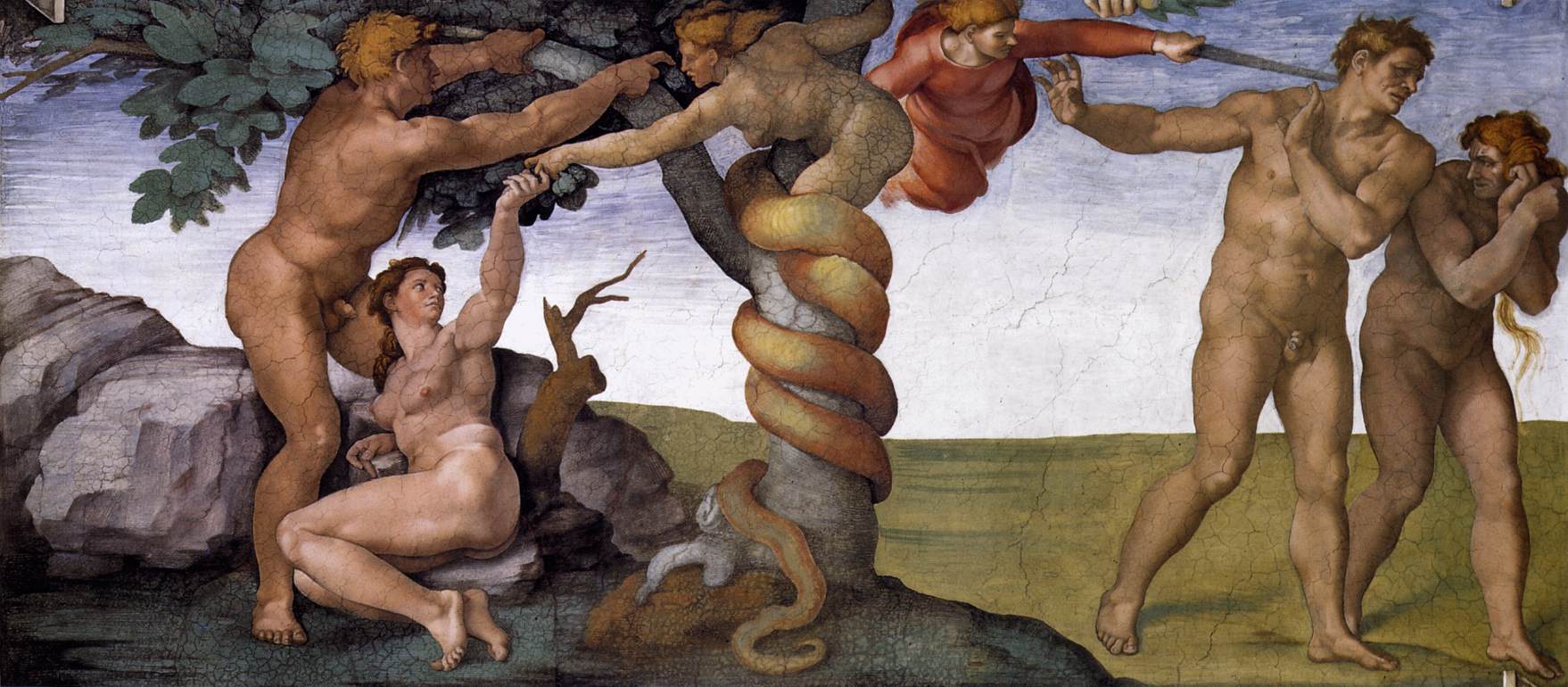
It was the serpent that tempted Adam and Eve into eating the forbidden fruit.
In many paintings and illustrations, the devil is depicted as half-demon, half-serpent — the upper body of a devil, the lower body of a snake.
Greek Mythology
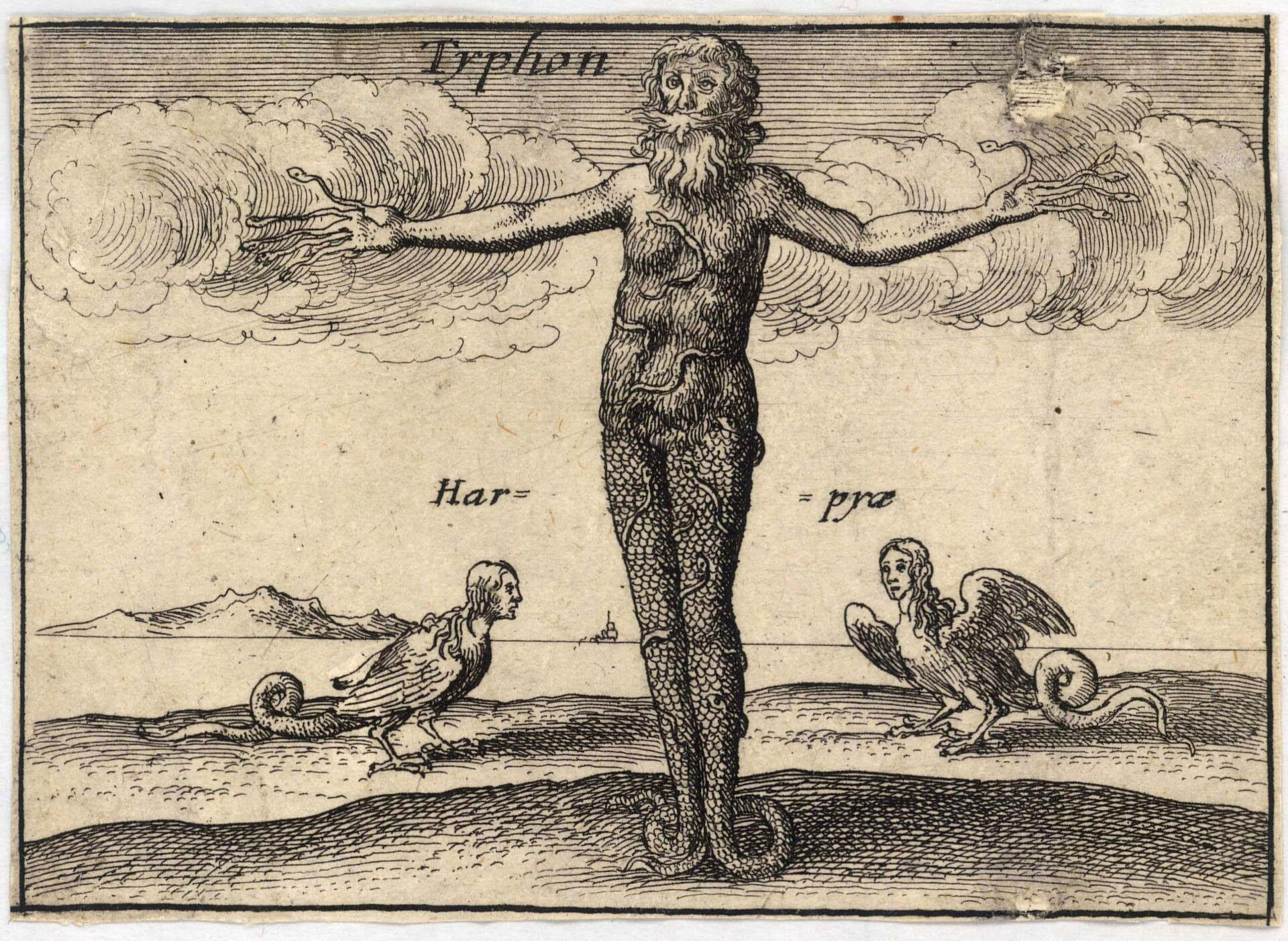
In Greek mythology, the greatest rival who troubled the almighty Zeus was Typhon.
Typhon defeated Zeus once, but was defeated and sealed in their second battle.
As you can see in the image, he is a mountain-sized giant with a serpent lower body.
Japanese Mythology

Yamata no Orochi, who already appeared in the Wano arc, was Susanoo’s enemy.
Incidentally, Orochi and Loki share the same purple hair.
Indian Mythology

Bajrang Gun — the technique behind Luffy’s Bajrang Gun — refers to Hanuman, the monkey god from Indian mythology. This is also the model for Journey to the West’s Sun Wukong and Dragon Ball’s Son Goku.
The Ope Ope no Mi’s ultimate technique, the ‘Perpetual Youth Operation,’ is also likely modeled on Amrita from Indian mythology.
The god who troubled the supreme Indian deity Shiva was also a serpent — properly called Vasuki, the Serpent King.
If Loki’s Devil Fruit isn’t Jormungandr, the next candidates are: Vasuki, Nagaraja, Typhon, or Leviathan. Let one of them be right!