The eleven pirates known as the Worst Generation each carry bounties exceeding 100 million berries — but Oda hid a second layer of meaning inside their very names. Four of them are built on real historical pirates and battles, with connections that run much deeper than a simple name reference.
Trafalgar D. Water Law: A Name That Means “Napoleon’s Nemesis”
Law’s full name — Trafalgar D. Water Law — is a triple-layered puzzle built entirely around Napoleon Bonaparte.
Edward Low
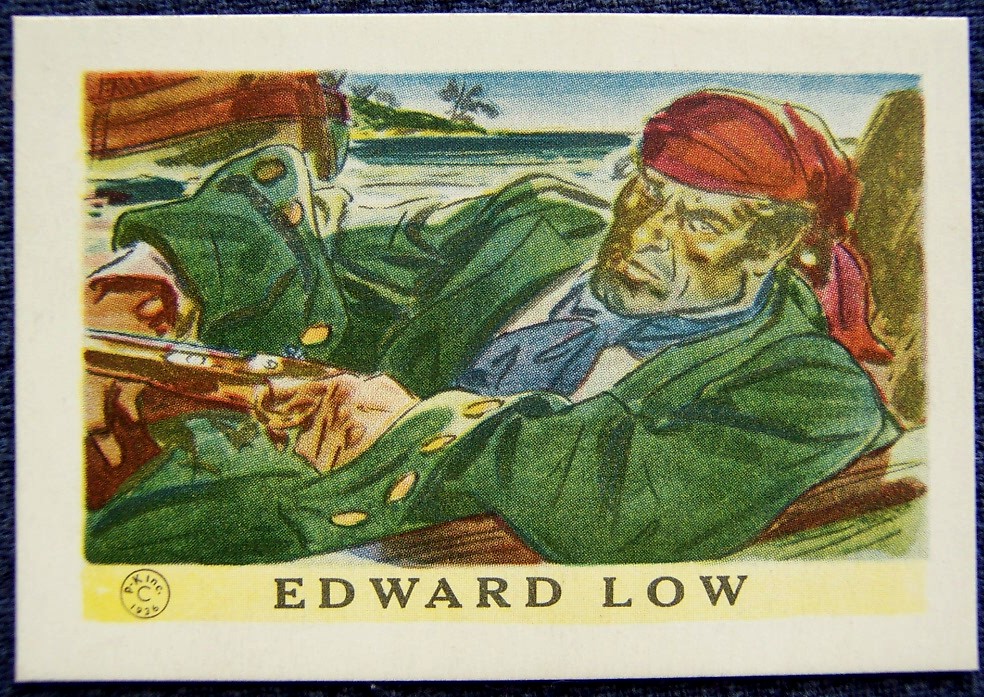
The “Law” comes from Edward Low (nicknamed Ned), a real 18th-century pirate who grew up in London as a notorious street delinquent, robbing other children and pickpocketing from an early age. He eventually became one of the most feared and sadistic pirates in the Atlantic and Caribbean — known for cutting off enemies’ ears, noses, and lips before finally killing them. Both the brutal childhood and the body-cutting cruelty map directly onto Trafalgar Law.
The Battle of Trafalgar (1805)
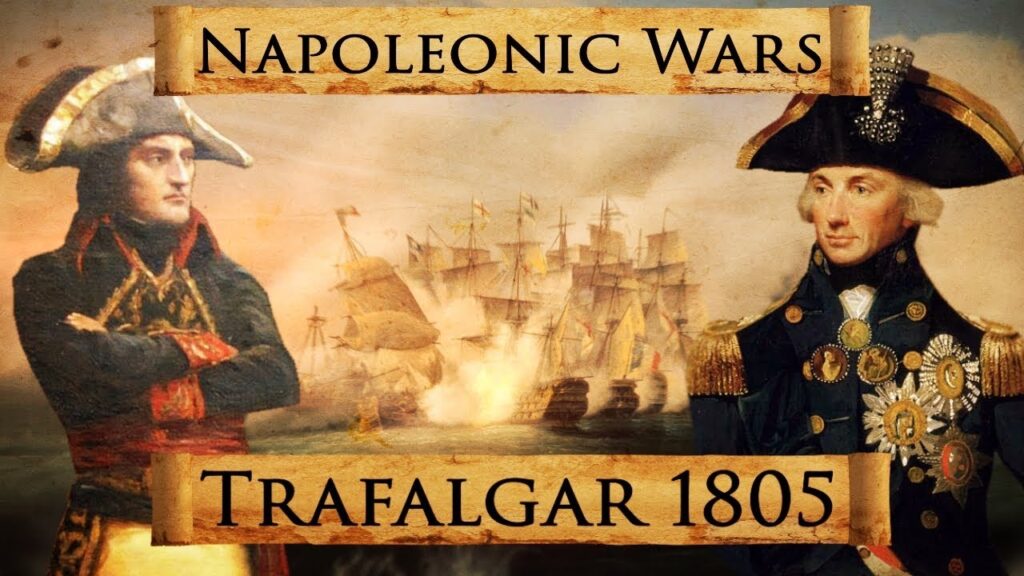
In 1805, Napoleon’s France controlled most of continental Europe but couldn’t break Britain’s stranglehold on the sea lanes. Napoleon launched a naval offensive to break through and invade Britain — and lost badly to the British fleet despite having numerical superiority. The defeat was so shocking to France that “Trafalgar” became synonymous with an unthinkable, humiliating loss. Britain, meanwhile, built Trafalgar Square in London to commemorate the victory.
The Battle of Waterloo and Hudson Lowe
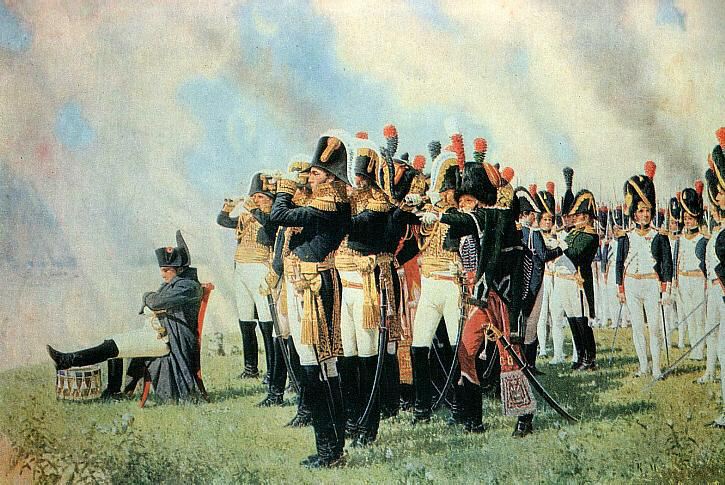
In 1815, Napoleon escaped from exile on Elba Island, reclaimed the imperial throne, and launched a final campaign to consolidate French dominance over Europe. The allied nations, exhausted by French rule, formed a coalition and crushed him at Waterloo — Napoleon’s last battle. He was exiled permanently to the remote volcanic island of Saint Helena.
The British officer assigned to supervise Napoleon’s imprisonment on Saint Helena until his death was named Hudson Lowe. “Trafalgar” + “Water(loo)” + “Lowe” — every element of Law’s name is about defeating Napoleon.
So Who Is Napoleon in One Piece?
Law spent 13 years obsessively plotting to destroy Donquixote Doflamingo. A name constructed entirely from Napoleon references points directly at Doflamingo as the Napoleon figure in the story.
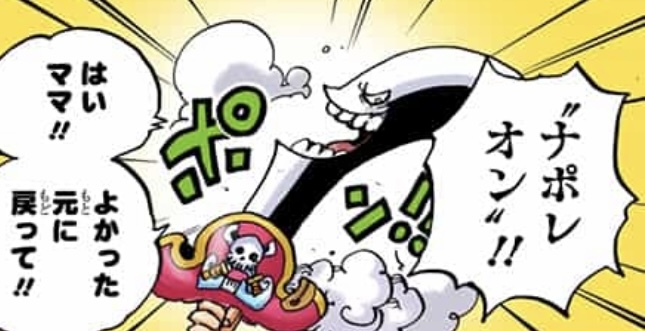
There is a second Napoleon hiding in the story too. The Waterloo passage described Napoleon returning from Elba Island to reclaim his throne — Big Mom returns from Elbaf and wears a Napoleon hat as her weapon. Law’s name may foreshadow a confrontation there as well.
X Drake: “Draco” Means Dragon
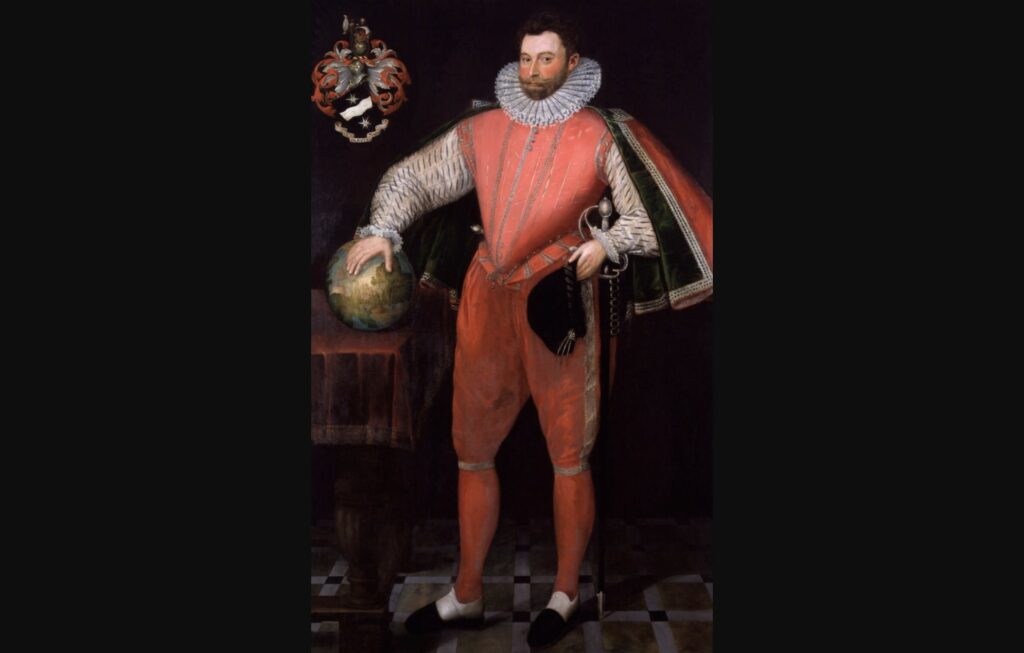
X Drake’s model is officially confirmed: Sir Francis Drake, the English privateer who became the second person in history to circumnavigate the globe (after Magellan). The Spanish, who suffered constant raids from his fleet, called him “El Draco” — Spanish for dragon. That nickname became his devil fruit: the Ancient Zoan Ryu Ryu no Mi, Model Allosaurus.
Drake’s backstory in One Piece mirrors the historical record closely. The real Francis Drake began his career sailing under his cousin John Hawkins on slave trading expeditions. When a Spanish naval force ambushed them during a trading mission, Drake developed a lifelong hatred of Spain — eventually becoming a queen-approved privateer with official British Navy backing. In One Piece, Drake and Hawkins are depicted as temporary allies, which is historically accurate: they really did sail together.
Basil Hawkins: The Slave Trader and the Scholar
Hawkins carries two real historical figures in his name.
John Hawkins
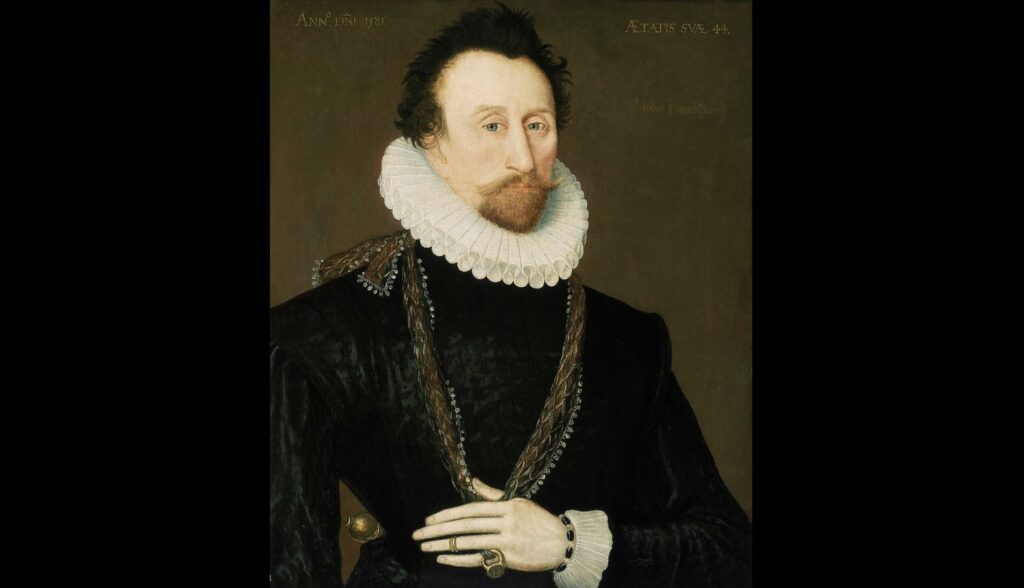
The “Hawkins” comes from John Hawkins, Francis Drake’s cousin — England’s most prominent slave trader of the 16th century and a queen-approved privateer who foiled a Spanish plot to assassinate Queen Elizabeth. His business model was built on treating human lives as tradeable assets, which maps onto Basil Hawkins’ fighting style: he shifts incoming damage onto the lives of other people, using their existence as a buffer between himself and death.
Basil Ringrose
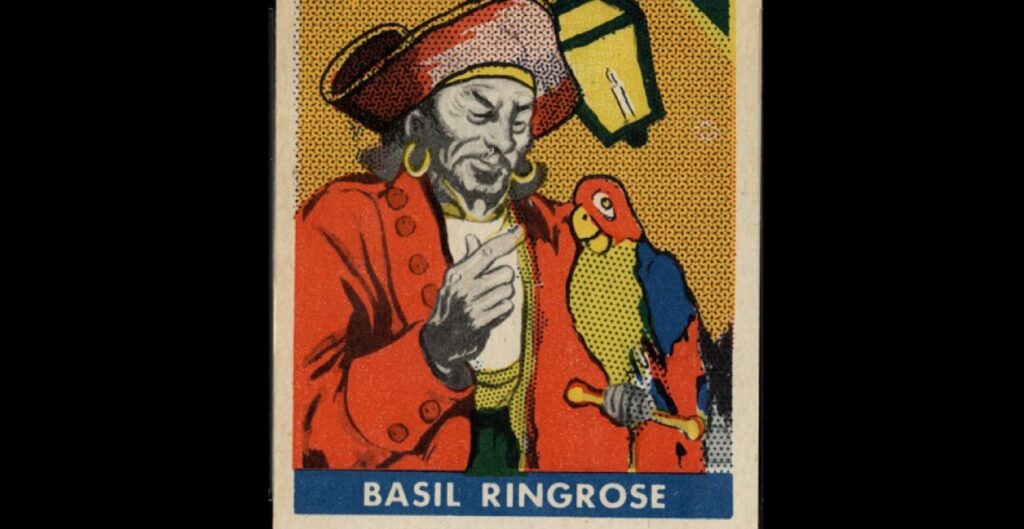
The “Basil” comes from Basil Ringrose, a pirate who was originally a scholar — skilled in languages and navigation. He sailed as the fleet’s interpreter and geographer, valued not for brute force but for knowledge. The intellectual, calculating character of Hawkins carries Ringrose’s DNA.
Ringrose’s ship also had another crew member: a pirate named Lionel Wafer. When the Straw Hats were brainstorming names for the Thousand Sunny, Zoro’s first instinct was “Lionel” — possibly a nod to this connection.
Jewelry Bonney: Anne Bonny, Calico Jack, and Brook’s Lost Captain
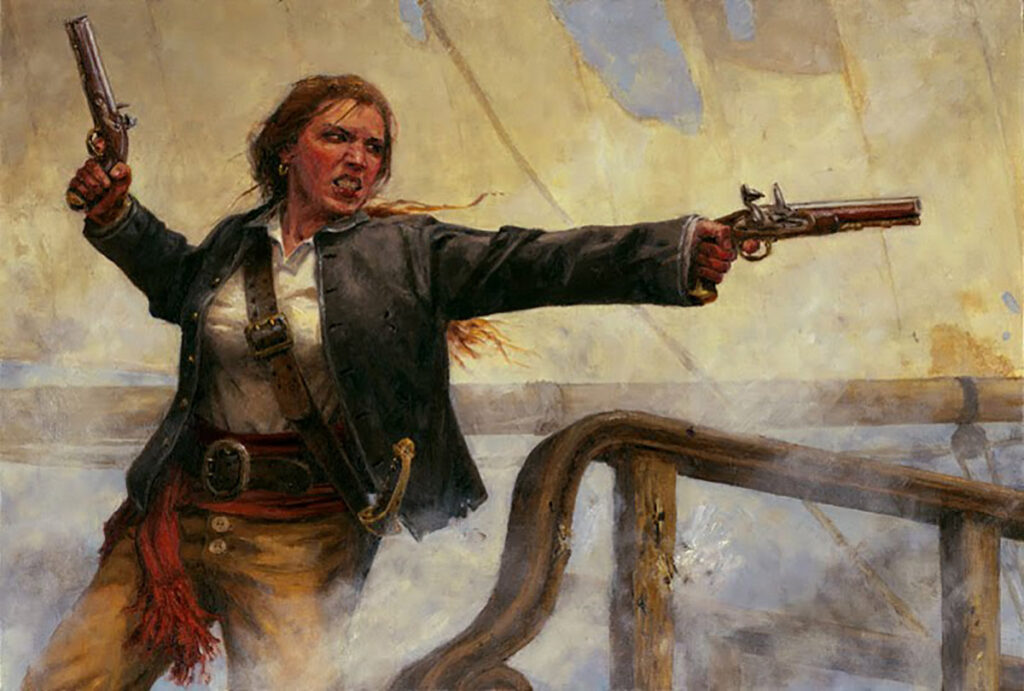
Jewelry Bonney’s model is Anne Bonny, one of the most famous female pirates in Caribbean history. She disguised her gender to sail, fought as fiercely as any man on the ship, and disappeared from historical records after her arrest in 1720 — the details of her fate unknown. Bonney’s age-manipulation devil fruit mirrors that mysterious disappearance: a woman who can make herself look any age, who could have simply walked out of history looking like someone else entirely.
Calico Jack and Brook’s Captain
Anne Bonny’s romantic partner was John Rackham — better known as Calico Jack. He captained the ship she sailed on, and his Jolly Roger became so iconic that it was used in Disney’s Pirates of the Caribbean franchise. “Calico” refers to a fine Indian cotton fabric; Rackham favored suits and hats tailored from calico cloth, making him look more like a gentleman than a pirate.
That nickname appears elsewhere in One Piece: Brook’s former captain in the Rumbar Pirates was called Calico Yorki. The model connection between Anne Bonny and Calico Jack — two real historical lovers — runs parallel to the relationship between Bonney’s elderly mother form Connie and the long-lost Yorki.
Brook is 90 years old. Yorki, if still alive, would be roughly the same age. Connie, the aged form Bonney takes on, appears to be a similar age. If the historical models are being followed faithfully, the moment Brook meets Connie may carry more weight than anyone expects.