The “D” Clan
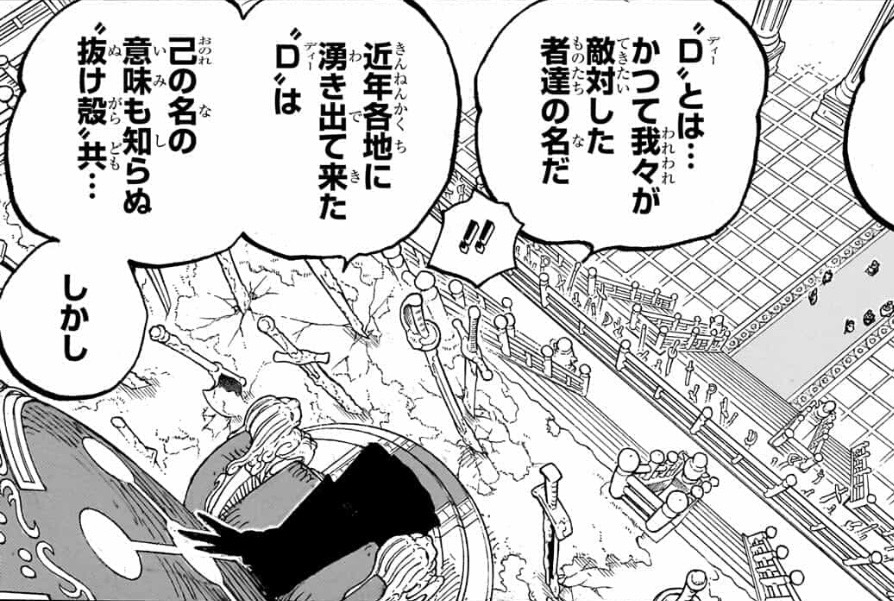
What does “D” truly mean? According to Im — the shadowy ruler who seems to know the truth — the answer is chilling:
“The ‘D’… it is the name of those who once opposed us.”
In other words: Those who bear “D” once stood against the Celestial Dragons. The “D” is not just a middle initial — it is a mark of kinship, a secret proof that those who share it are allies.
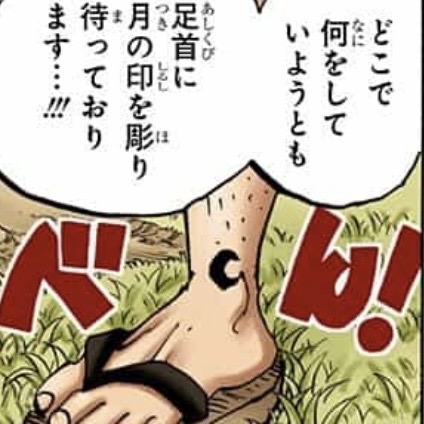
Think of it like an ✖️ tattooed on the wrist, or a reversed crescent carved into the ankle — a symbol shared only among those who know.
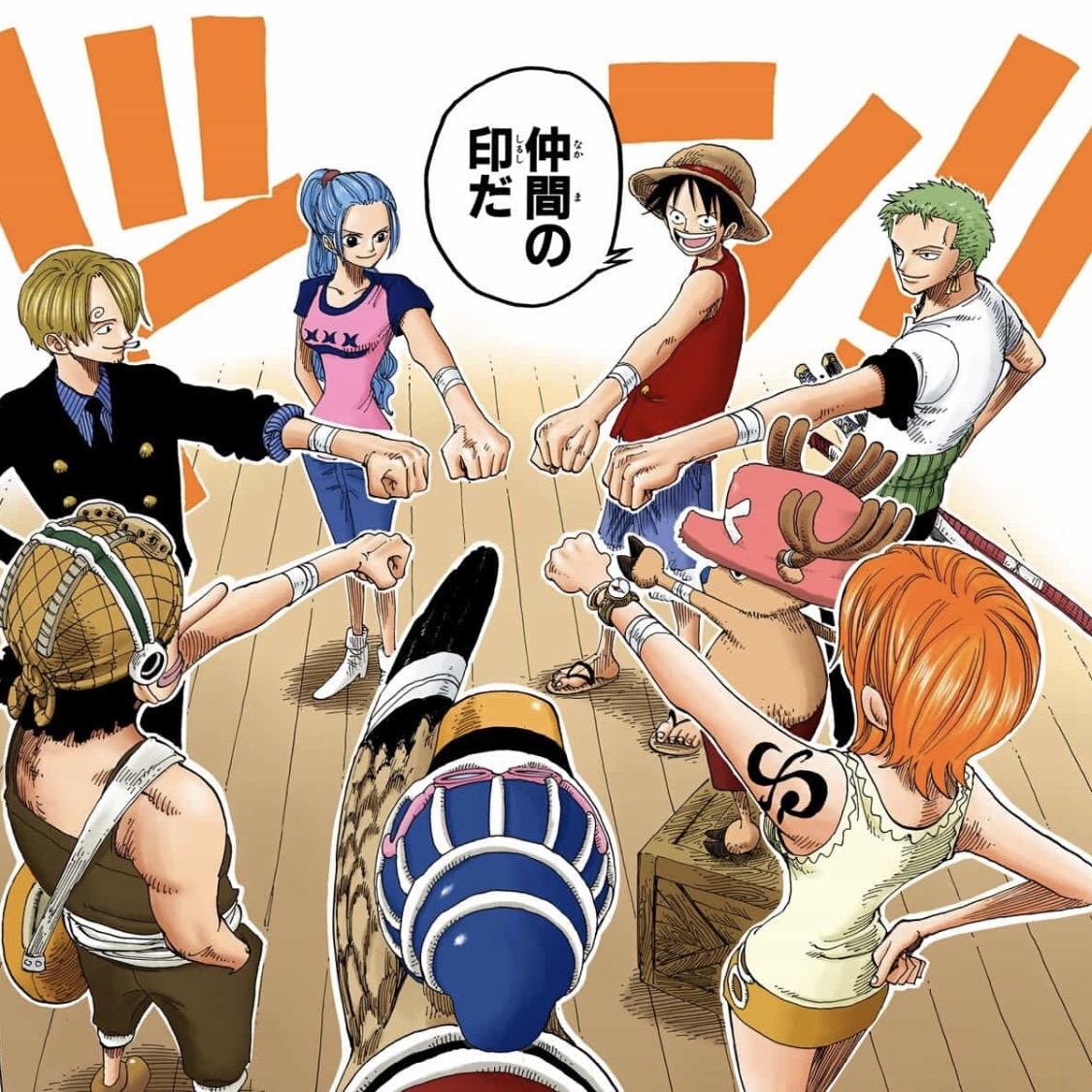
Does this mean every pirate bearing “D” will eventually unite to topple the World Government? If so, that would be an absolutely explosive development.
As of now, the confirmed D-clan bloodlines in the story are as follows — and the count (ten families) matches the number of Straw Hat crew members. Coincidence? Perhaps not.
That said, some lineages are extinct, some like Law keep the name hidden, and some like Rocks used aliases — so counting families may not be the most meaningful exercise.
Those currently alive and confirmed to bear the “D”:
・Monkey D. Luffy / Monkey D. Dragon / Monkey D. Garp
・Trafalgar D. Water Law
・Marshall D. Teach (Blackbeard)
・Nefertari D. Vivi
・Portgas D. Ace (deceased) / Portgas D. Rouge (deceased)
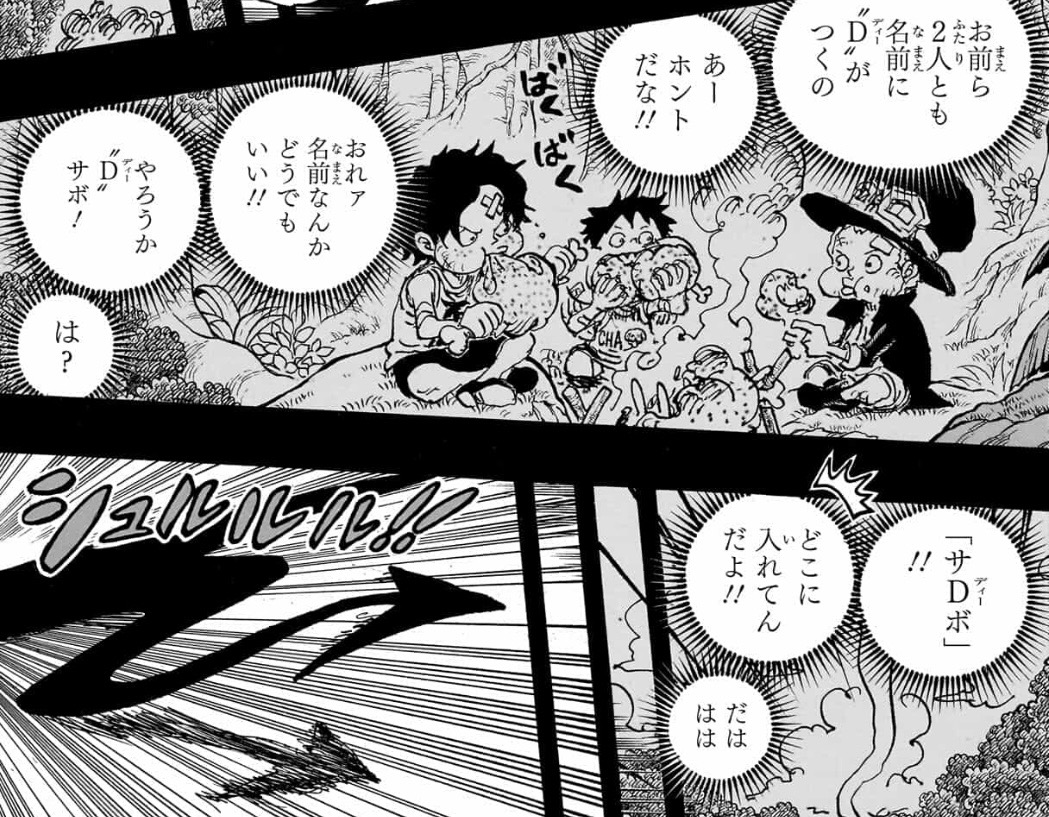
Even counting the questionable case of Buggy, that’s only about seven living bearers… Is Sabo in that count?
The Demon Bloodline: The Monkey Family
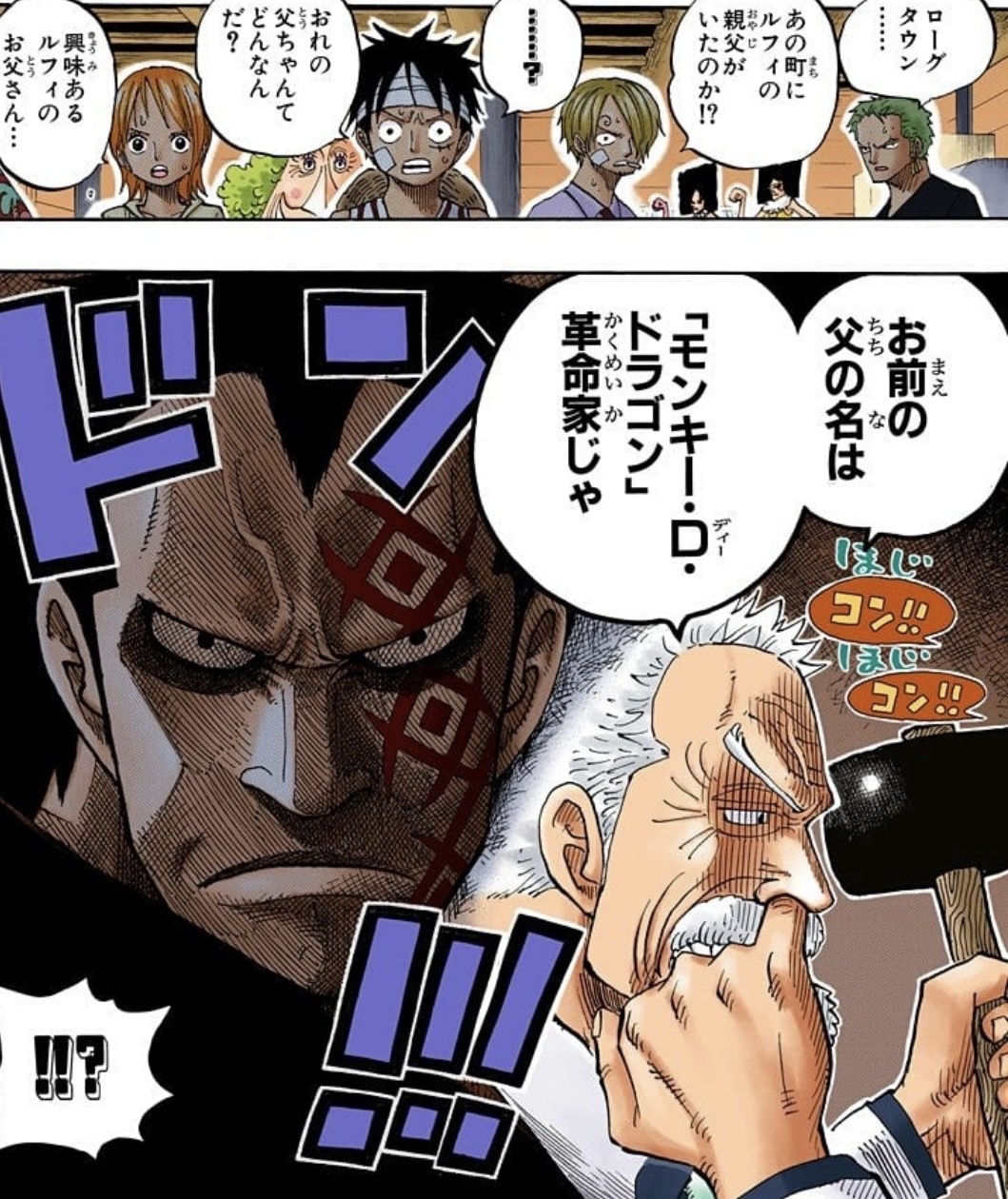
Among all D-clan bearers, the Monkey family — home to our protagonist Monkey D. Luffy — stands apart. Three generations, all surviving while openly defying the Celestial Dragons. That’s extraordinary.
The Celestial Dragons call themselves “God.” The Monkey family defies them generation after generation.
And there’s a reason: all three of their names are the names of famous demons.
Garp = A Demon of Solomon
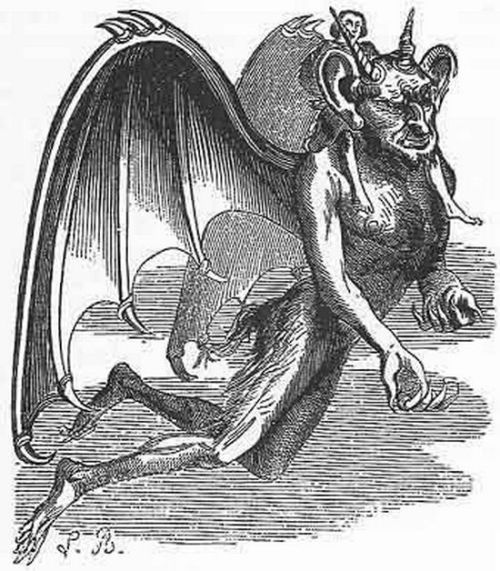
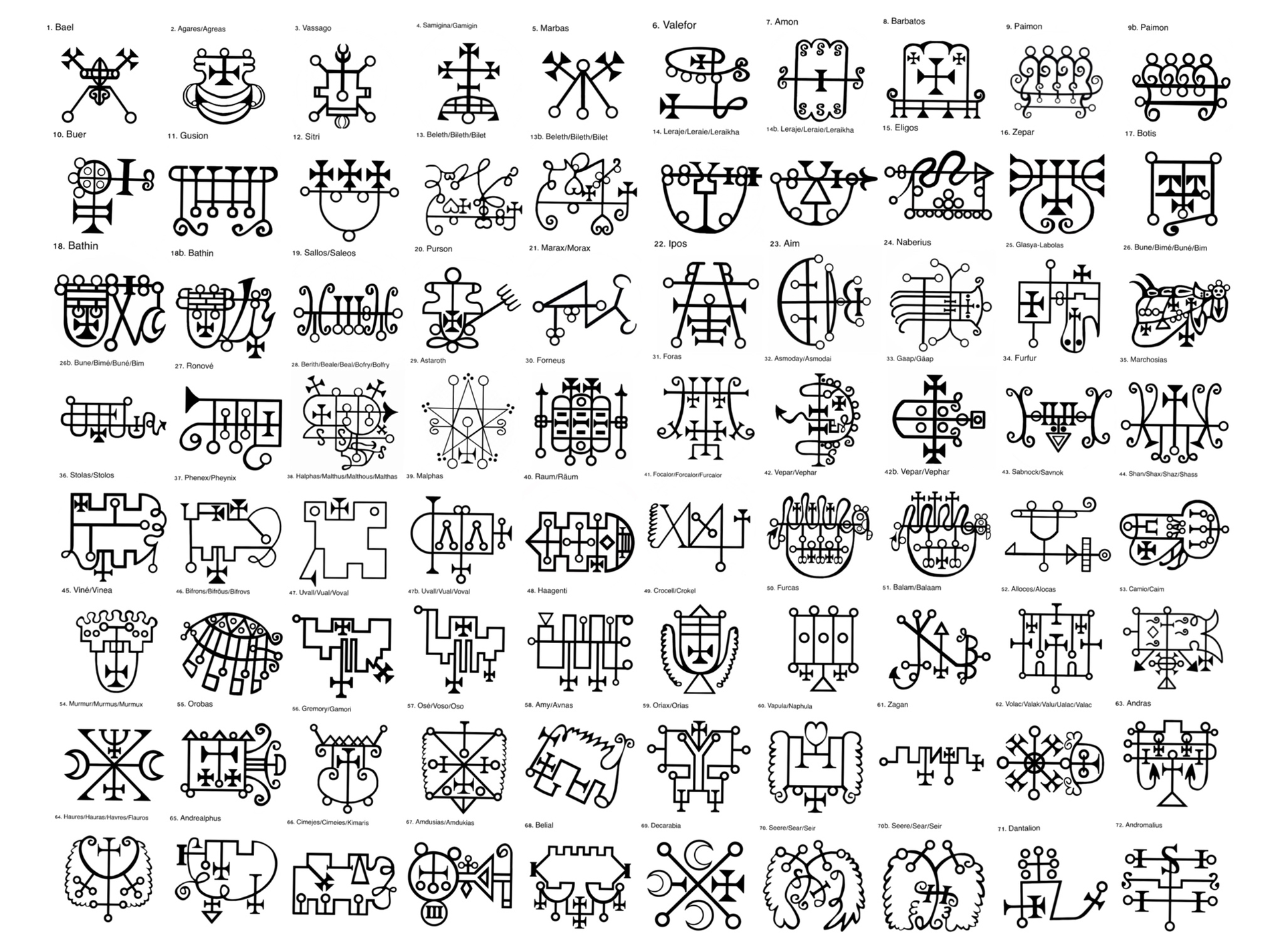
Garp, the “Hero of the Marines.” His name comes from Gaap — one of the 72 demons sealed by the legendary King Solomon, as described in the occult text Ars Goetia.
Gaap’s powers are described as: “the ability to strip consciousness” and “bestowing knowledge and guidance.”
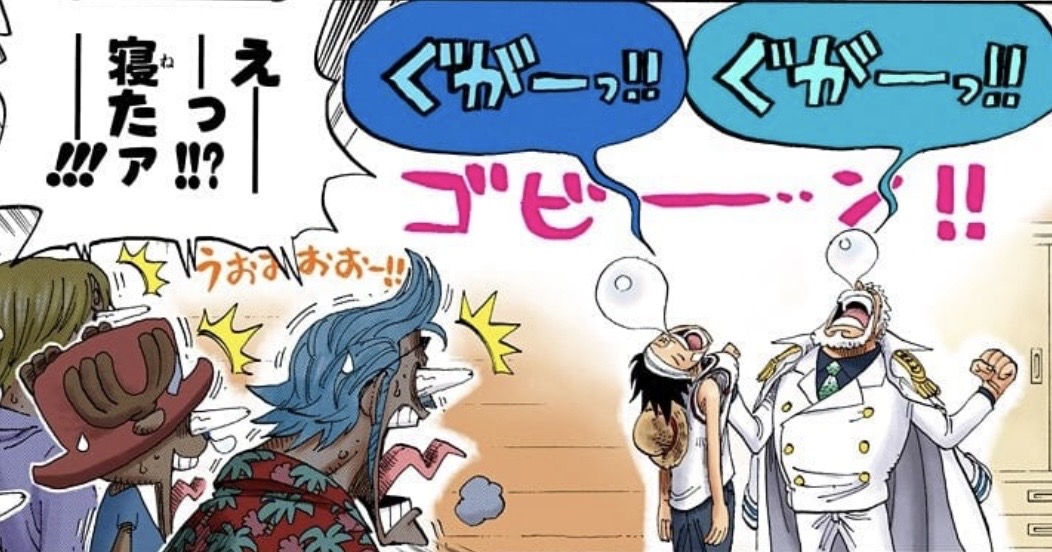
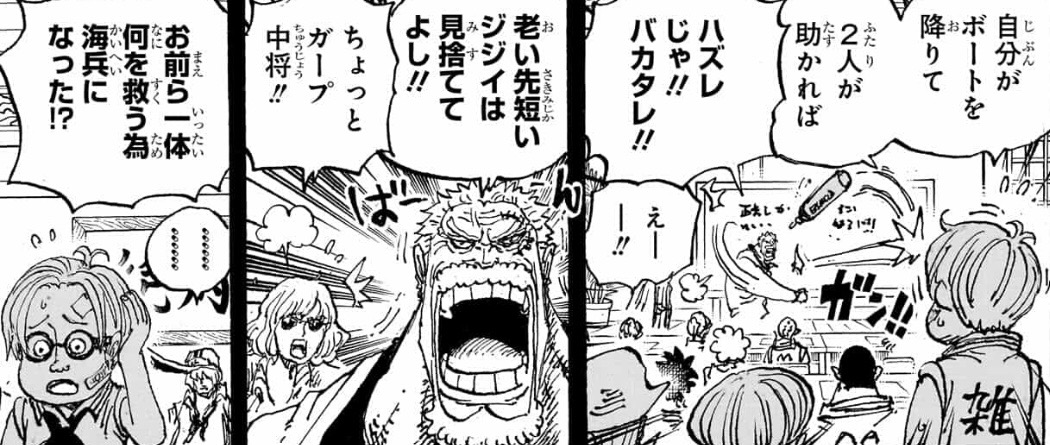
These abilities appear to mirror Garp’s interactions with Luffy and Koby precisely: he once knocked Luffy unconscious mid-lecture (stripping consciousness), while systematically nurturing Koby’s growth as a Marine (bestowing knowledge and guidance).
Is it intentional that Garp treats his two proteges — who will become rivals — in diametrically opposite ways, just like the demon Gaap? The layers in this series are staggering.
Below are the sigil symbols used by King Solomon to summon the 72 demons — doesn’t the design uncannily resemble the Jolly Roger skull-and-crossbones?
Dragon = The Dragon of Revelation
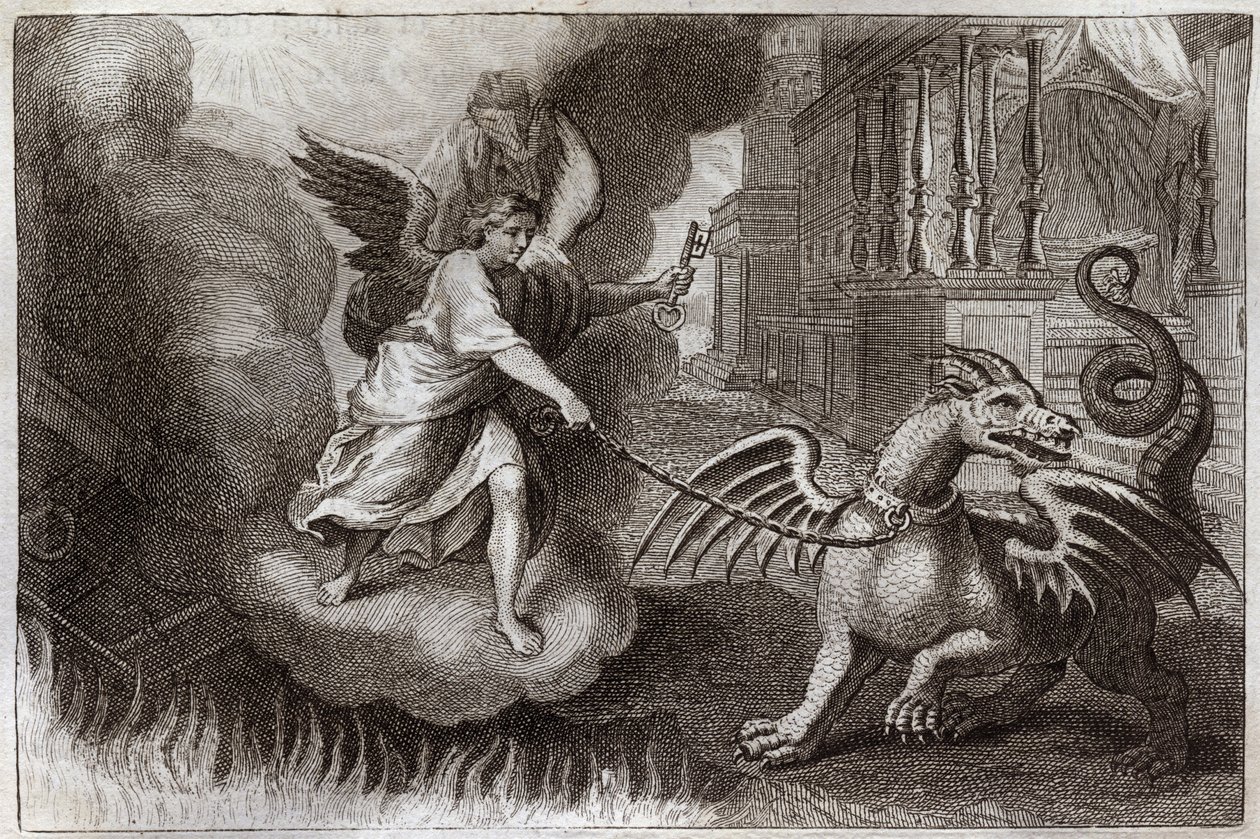
Monkey D. Dragon — Supreme Commander of the Revolutionary Army, the World’s Most Wanted Man. His name is drawn from the monstrous demon in the Christian Bible’s Book of Revelation.
The biblical definition of “Dragon”:
In Revelation Chapter 12, the Dragon is explicitly defined as “that old serpent, called the Devil, and Satan.” This demon led a rebellion in Heaven, fought God’s armies, and was cast down to earth.
Dragon’s real-world role — branded the world’s greatest criminal, bearing his fangs against the God-playing Celestial Dragons — makes him the living embodiment of this fallen rebel angel.
Expulsion from Heaven: Dragon was once part of the Marines under Garp’s wing. But when he witnessed the Celestial Dragons’ “human hunting” — and saw that the Navy was powerless to stop it — he broke away in rage and built an army to oppose the “gods.” That trajectory mirrors the fallen angel narrative exactly.

Luffy = The Fallen Angel Lucifer

Lucifer: Latin for “light-bringer,” the most beautiful and radiant angel, who led the rebellion against God and was cast from Heaven. The original fallen angel.
“Luffy” sounds remarkably close to “Luci” (light) + “free” — and his Devil Fruit power, rubber, is the most electrically insulating material in nature. Lightning — often associated with the wrath of God — simply cannot harm him.
Rubber is also the freest material: it stretches, bends, and returns to its shape. It cannot be broken by force, cannot be bound permanently. The perfect metaphor for a man who embodies freedom above all else.

The hidden meaning of the alias “Lucy”:
At Dressrosa, Luffy fought under the alias “Lucy.” Far from a random disguise name, “Lucy” is one of the most well-known nicknames for Lucifer — making Luffy’s cover identity yet another subtle reference to the fallen angel.

The “Reversed Crescent” and the Morning Star:
In Wano, those who believed in the revival of the Kozuki clan carved a “reversed crescent moon” into their ankles.
This symbol is also called the “Morning Crescent” — the crescent moon that appears in the eastern sky just before dawn, alongside Venus, the Morning Star. “Morning Star” is another name for Lucifer. The moon signals that the darkest night is ending, that light is about to break through.

That Luffy — bearing the name of Lucifer, the light-bringer — arrived in Wano to bring its “dawn” is no coincidence. The Morning Star and the Morning Crescent: the will of those named “demon” who defy God, meeting the will of those who endured in faith, united through this symbolic convergence.
The gods tremble. And the demons, bearing the name “D,” march on.
The “Demon” Legacy of the Monkey Family
Three generations of the Monkey family each embody a distinctly different kind of “demon.”
Garp — the stabilizing force who strips will and bestows wisdom. Dragon — the rebel angel cast down from Heaven. Luffy — the morning star of liberation, heralding a new dawn.
The D-clan and the Monkey family have been feared by the World Government for centuries. Perhaps the answer lies precisely in their names — a “history of rebellion that makes even the gods tremble,” carried in three letters: D.