Imu uses the “Omen” technique to revive the 19 kings’ weapons thrust into the “Throne of Emptiness.”
The 19 kings’ weapons are powers that ruled the world 800 years ago—weapons that created the world itself. They are truly legendary weapons.
Here we analyze the origins and mythological models of their names, and will keep updating this list until all 19 weapons are revealed.
Divine Punishment Sword (Nemesis)
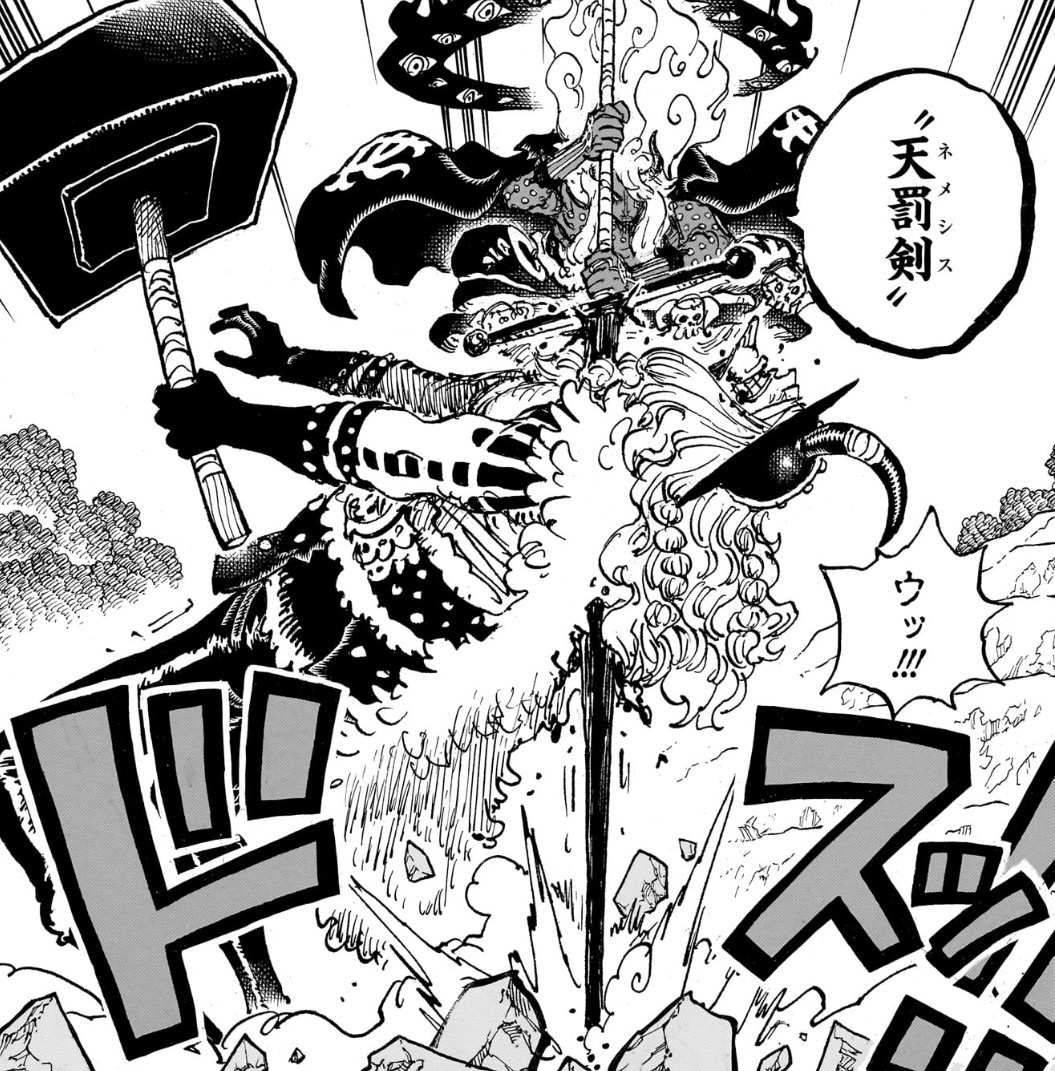
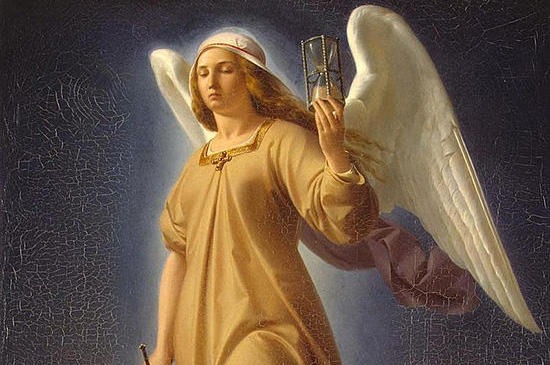
Nemesis is a goddess from Greek mythology—the personification of divine indignation and retribution for humans who disrespect the gods.
Divine punishment for those who defy the gods… The name “Divine Punishment Sword” is a perfect fit.
Sword of Wrath (Gram)
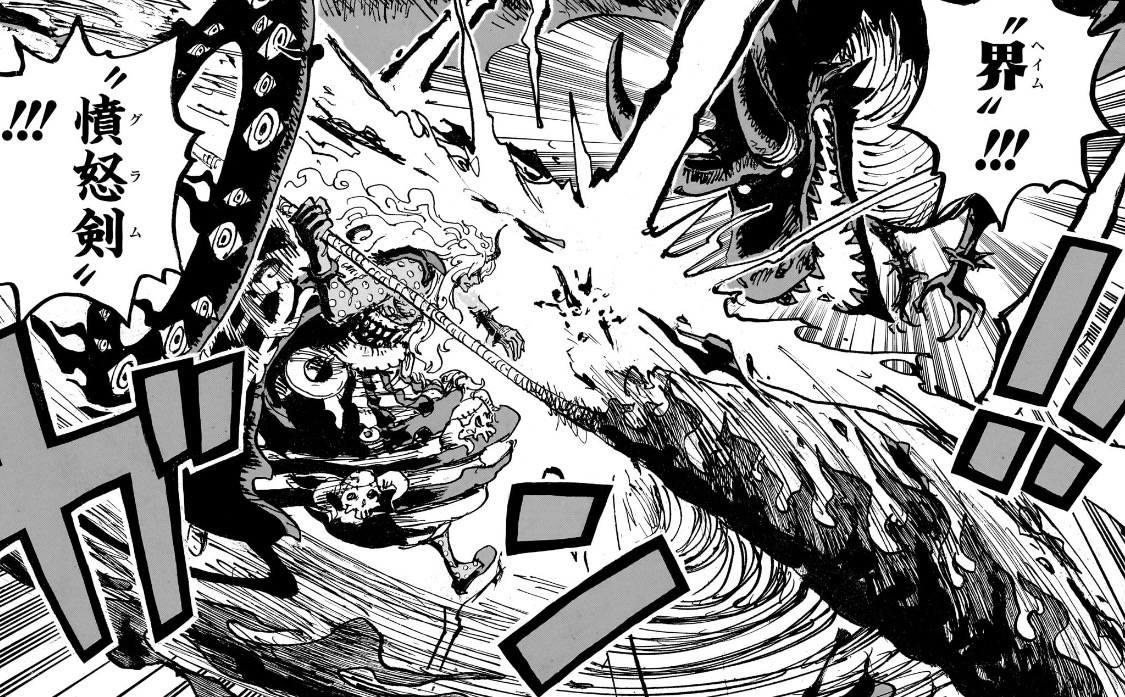
Gram is a sword from Norse mythology, and its name means “wrath” or “anger” in Old Norse.
At a wedding feast, Odin appeared and drove a sword into an apple tree, saying “I shall give it to whoever can pull it out.” Everyone tried in turn, and finally Sigmund pulled it free.
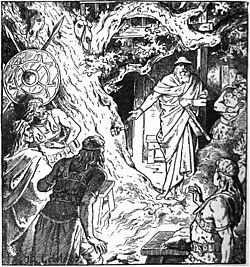
Protected by Odin’s blessing, Sigmund became an undefeated hero on the battlefield. The sword was later passed to his son Sigurd, who used it to slay a dragon.
A perfect weapon for fighting the dragon-form Loki.
Grudge-Demon Sword (Stigma)
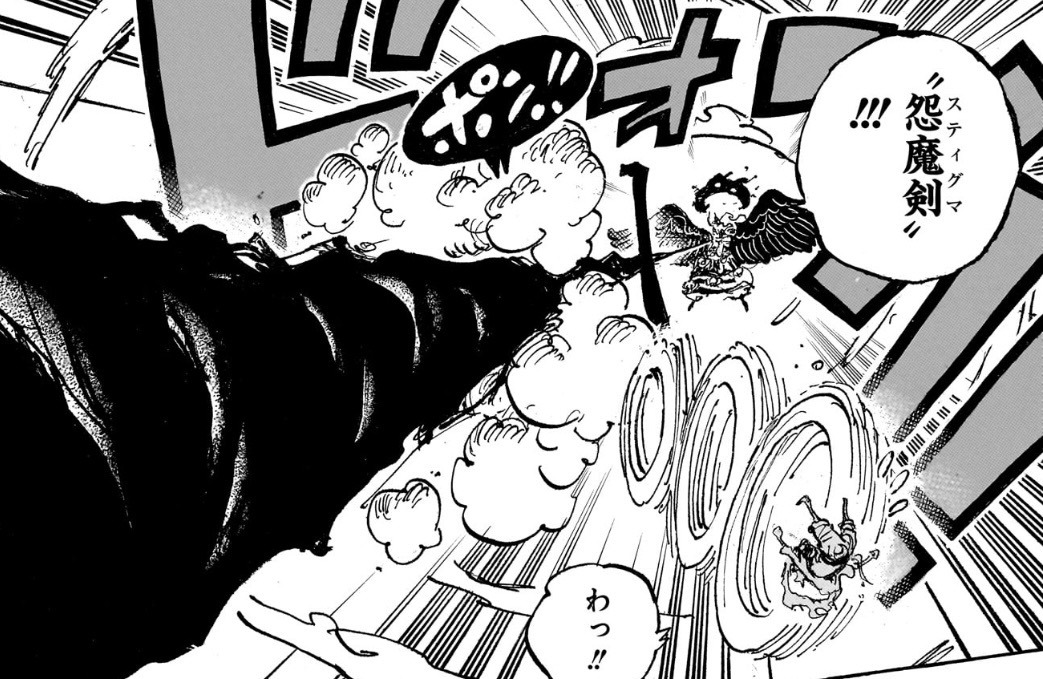
Stigma comes from ancient Greek, meaning a “brand” or “wound” carved into the bodies of slaves or criminals.
In the Christian context, it refers to wounds that appear on a saint’s body matching the wounds of the crucified Christ—known in English as “stigmata.”
Imu’s Stigma first marks the enemy with an Omen flame, then extends toward that mark for a guaranteed hit—though Nika managed to dodge it.
Void Sword (Bohu)
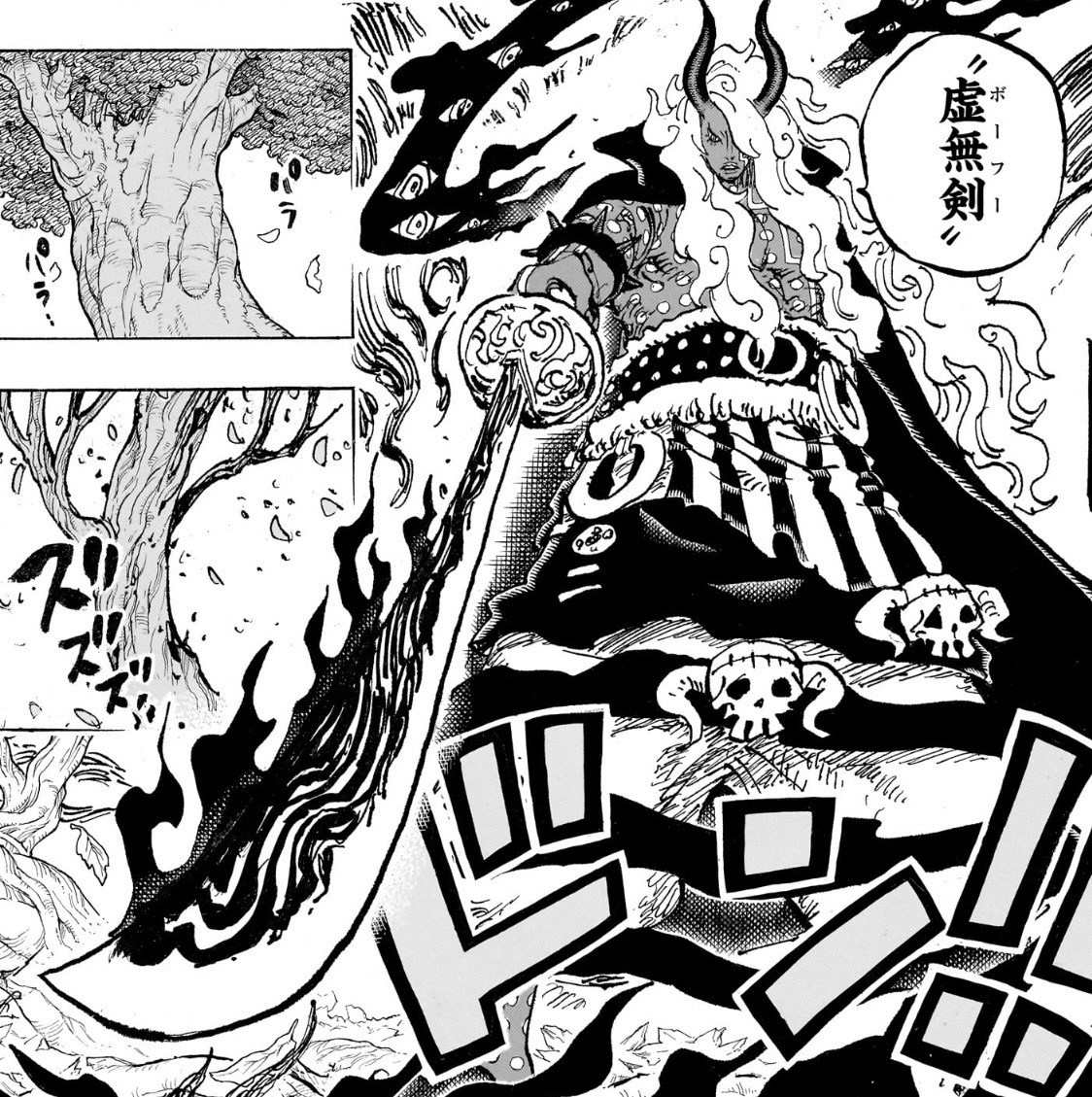
Bohu and Tohu derive from the Hebrew phrase “Tohu va-Vohu” (תֹהוּ וָבֹהוּ) from Genesis 1:2 of the Old Testament.
Genesis describes how the world came into being from nothing:
“The world, before it took form, had no order—only chaos and emptiness spread across it.” “God said, ‘Let there be light,’ and there was light.” “God called the light Day and the darkness Night. Evening passed and morning came—the first day.”
It opens with verses describing how God created even day and night themselves.
…The Bible is full of passages that make you want to ask, “Wait, who actually witnessed all this?”
Sea-God Sword (Fragarach)
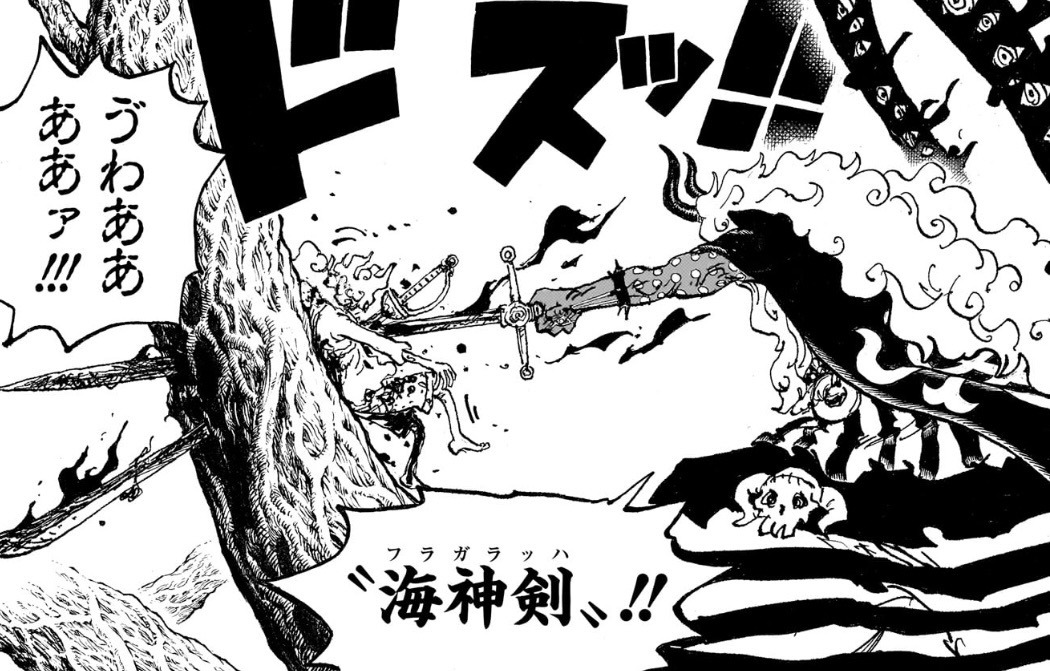
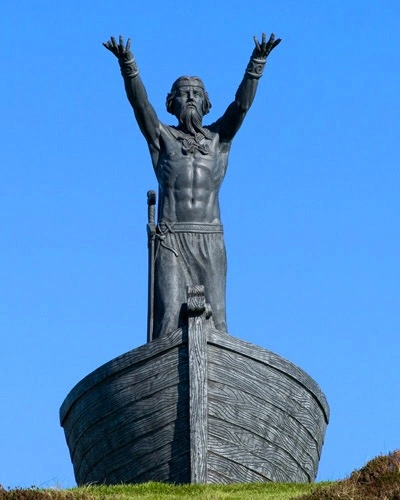
Fragarach is a magical sword from Celtic mythology (Irish mythology), meaning “the Answerer” or “the Retaliator” in Gaelic.
Originally owned by the sea god Manannan mac Lir, it was later bestowed upon the god of light, Lugh.
Those at whom it is pointed are unable to lie—they are compelled to speak the truth when questioned.
When wielding this sword, Imu asks Luffy: “How many before you breathe your last?”
What truth will Luffy answer with, I wonder.
Axe of Xingtian
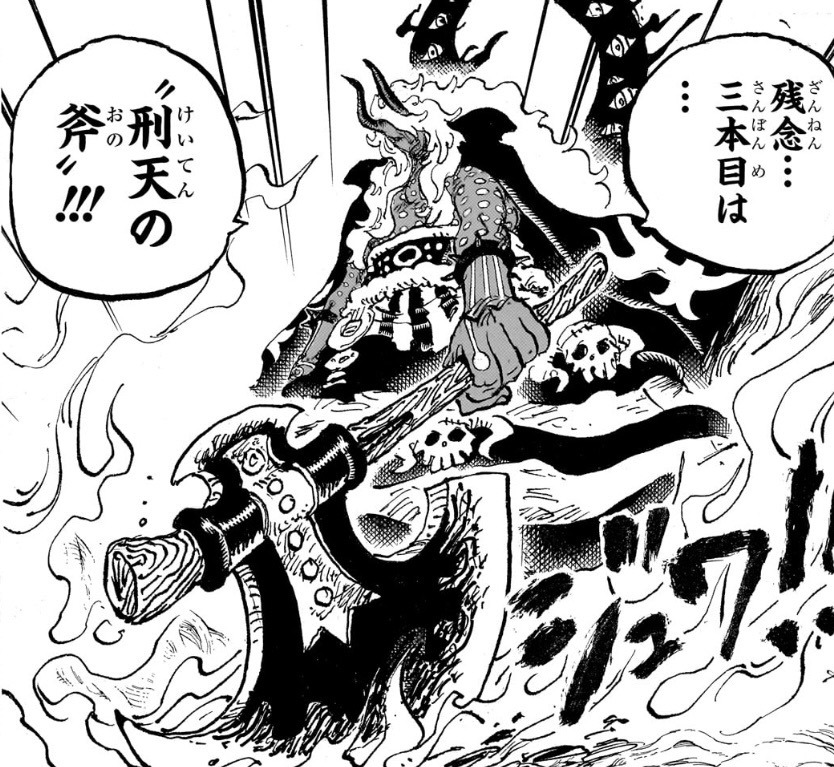
Xingtian is a giant deity from the ancient Chinese text Shan Hai Jing (Classic of Mountains and Seas).
Xingtian was a vassal of the Flame Emperor who battled the Yellow Emperor for godhood. Even after losing and having his head severed, he refused to give up—transforming his nipples into eyes and his navel into a mouth, dancing furiously wielding a shield and axe.
The irony of using the axe of a warrior who refused to stop even after losing his head to sever someone else’s head is beautifully crafted.

Longinus

Longinus is the name of the Roman soldier who pierced Christ’s side with a spear while he hung on the cross, as recorded in the New Testament (Gospel of John).
Longinus, who was visually impaired, experienced a miracle when Christ’s blood splattered and touched his eyes, restoring his sight. He converted on the spot and was later venerated as “Saint Longinus.”
The Spear of Longinus is revered as a holy relic that directly touched Christ’s “blood and water,” appearing as a legendary weapon across many works of fiction.
Muramasa

Muramasa refers to a clan of swordsmiths active in Kuwana, Ise Province (modern-day Mie Prefecture) from the Muromachi period through the early Edo period—and to the blades produced by that clan.
Known for their exceptional sharpness and widely used by Mikawa warriors, these swords came to be feared as “cursed blades” after appearing repeatedly at tragic incidents involving the Tokugawa family.
Hone-bami Toshiro

Hone-bami Toshiro passed through the hands of Minamoto no Yoritomo, the Ashikaga Shogunate, Ōtomo Sōrin, and Toyotomi Hideyoshi, before eventually passing to the Tokugawa clan—a blade symbolic of the rulers of all Japan.
The name “Hone-bami” (Bone-Eater) originates from…
…conveying the meaning that it is an exceptionally superior blade in every regard.
The face of the blade is carved with a Kurikara dragon (a dragon coiling around the Kurikara sword), and the reverse features an image of Fudo Myo-o and Sanskrit characters.

The snake-shaped Omen that coils around Imu’s blade is believed to be based on the Kurikara Dragon King carved into the actual historical sword.