Adapting RPGs into Manga
It’s well known that Oda originally planned to finish ONE PIECE in five years. According to Wikipedia, while working as an assistant to manga artist Nobuhiro Watsuki, Oda realized: “You can structure a story just like an RPG.”
Oda began work on ONE PIECE around 1996 while working as Watsuki’s assistant. He reportedly planned to complete it in five years. (Source: Wikipedia, Eiichiro Oda article)
In other words, Oda realized: “You can craft a story the same way you build an RPG.”
The Originators of RPGs
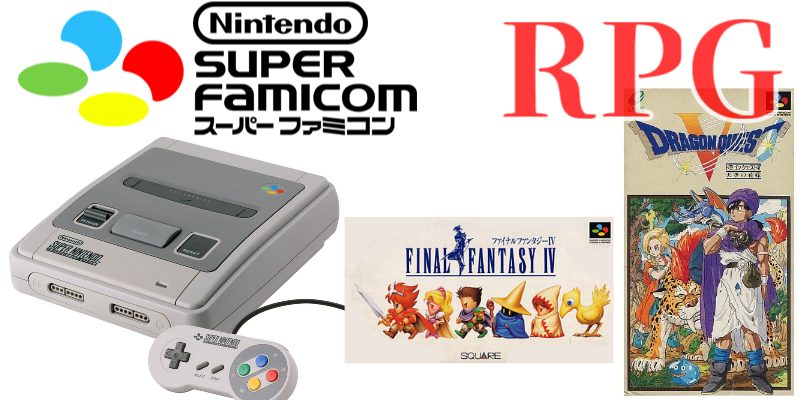
After the Super Famicom (SNES) launched, legendary titles appeared one after another. The ones most relevant to this article include:
- Final Fantasy V
- Final Fantasy VI
- Dragon Quest V: Hand of the Heavenly Bride
- Romancing SaGa
- Romancing SaGa 2
- Romancing SaGa 3
- Secret of Mana
- Trials of Mana
- Chrono Trigger
Many of these were made by Square.
RPGs Are Rooted in World Mythology
Dragon Quest I, II, and III are collectively known as the Erdrick trilogy. “Erdrick” (Loto in Japanese) is the name of a descendant of Adam and Eve from the Bible — in other words, the descendant of the first humans created by God.
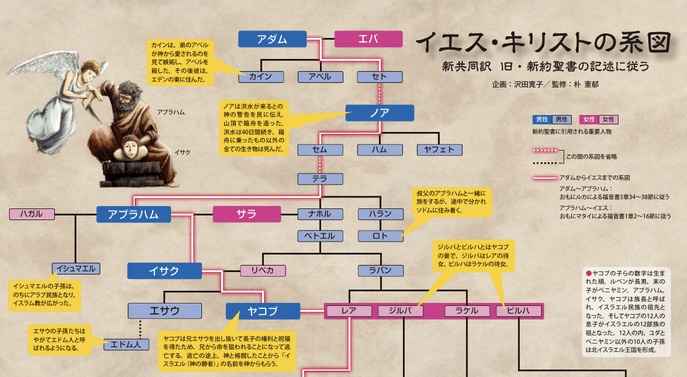
Dragon Quest leans heavily on Christian imagery — churches are where you revive fallen allies, cure poison, and save your progress. Meanwhile, Square’s RPGs drew from a much wider pool:
- Odin from Norse mythology
- Shiva from Hindu mythology
- Ifrit from Islamic mythology
- Behemoth (Bahamut) from the Old Testament
- The fantastical beast Catoblepas
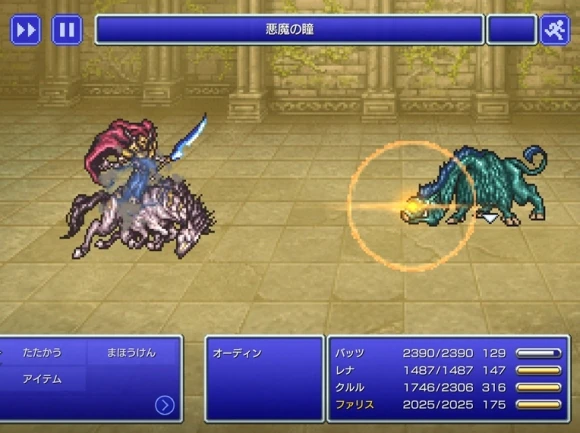
Creatures and deities from every corner of the world’s mythology appear as summons or enemies. Look closely at FF5’s Odin — his horse has eight legs, just like Sleipnir, the mythical steed from Norse legend.
So “Final Fantasy” literally means a world-spanning fantasy — a tapestry woven from the myths of all civilization.
Oda was born in 1975, which means he was 15 when the Super Famicom launched — right in the thick of his gaming years. And from the patterns visible in ONE PIECE, it’s clear Square’s RPGs in particular left a deep impression on him.
One Piece and Square’s RPGs
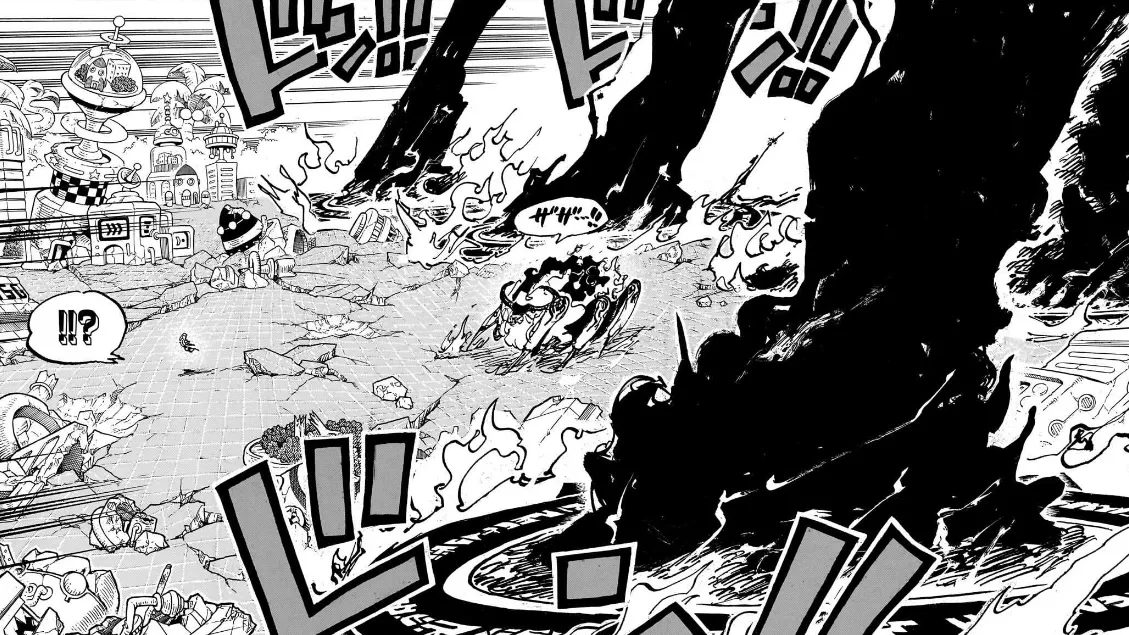
No matter how many attacks landed, the enemy took no damage — then suddenly it called for backup.
If you think of this pattern as an RPG monster encounter, the strategy becomes obvious.
That’s right — the boss fight has entered Phase 2.
Which means in the final phase, they’ll merge together.
RPG tropes translate perfectly into manga. Here are a few more:
Field Travel: Riding Animals
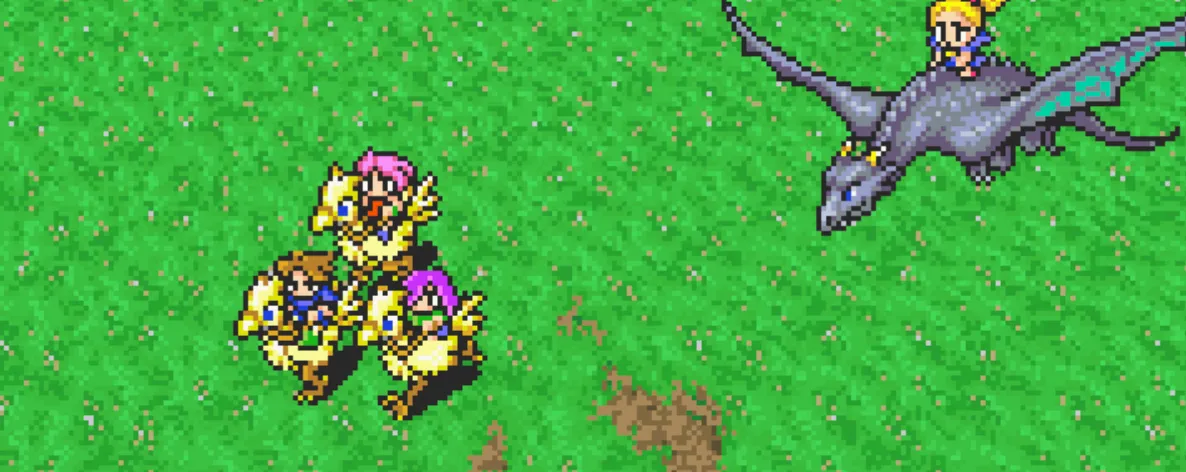
- The firebird Ramia in Dragon Quest III, which flies you across the world map
- The Chocobo in Final Fantasy, which doubles your speed on the field
Riding animals to move faster is a classic RPG staple. Alabasta’s super-duckling platoon is basically a straight-up Chocobo reference.
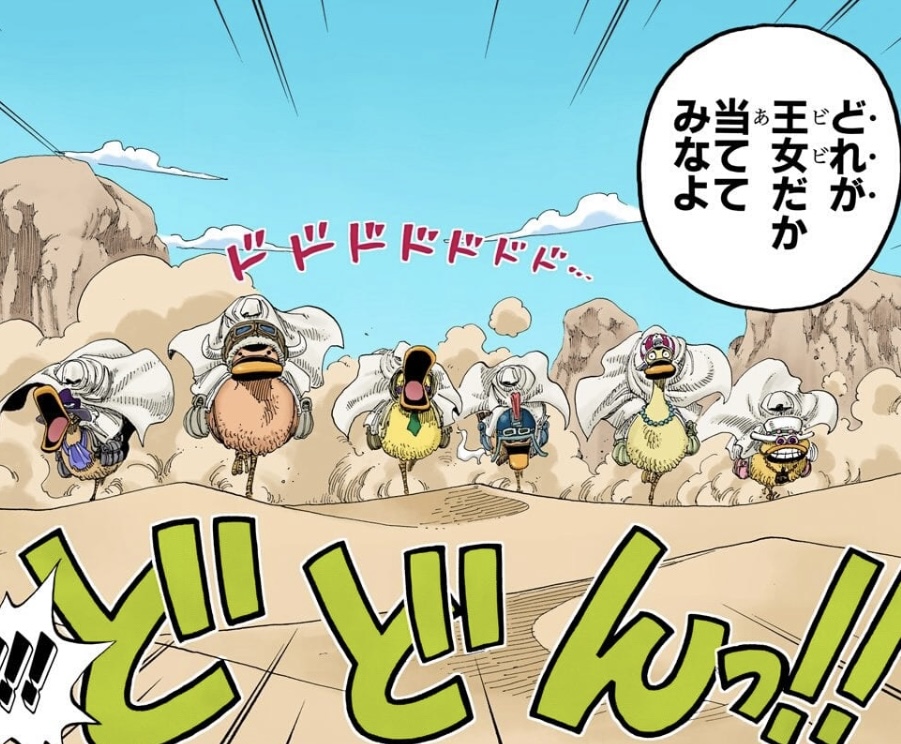
Other examples across the series:
- Alabasta: camels, crabs, duck-riding
- Water 7: Yagara Bulls
- Thriller Bark: Cerberus
- Deep sea: Kraken
- Punk Hazard: Crocodiles (Brownbeard)
- Dressrosa: Ucy the bull
Oda loves animals — and his love of “mount-riding through RPG maps” clearly found its way into the manga.
Recruiting Non-Human Companions
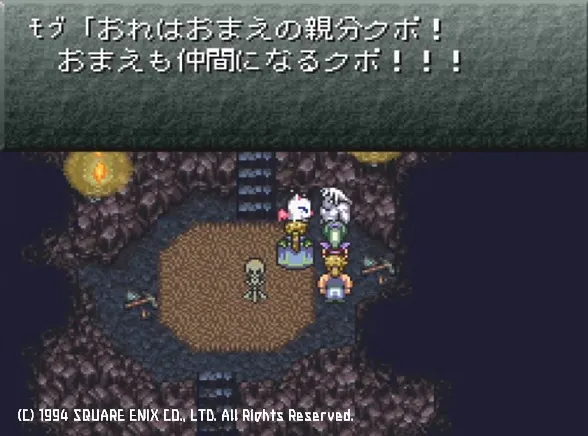
FF6’s optional secret character Umaro — a yeti who fights by instinct and can’t be commanded directly — is a great parallel. In FF6 there’s also Mog, a Moogle who tries to assert dominance over Umaro, an even wilder creature.
Moogle-type characters appear across many Square RPGs as recurring mascots.
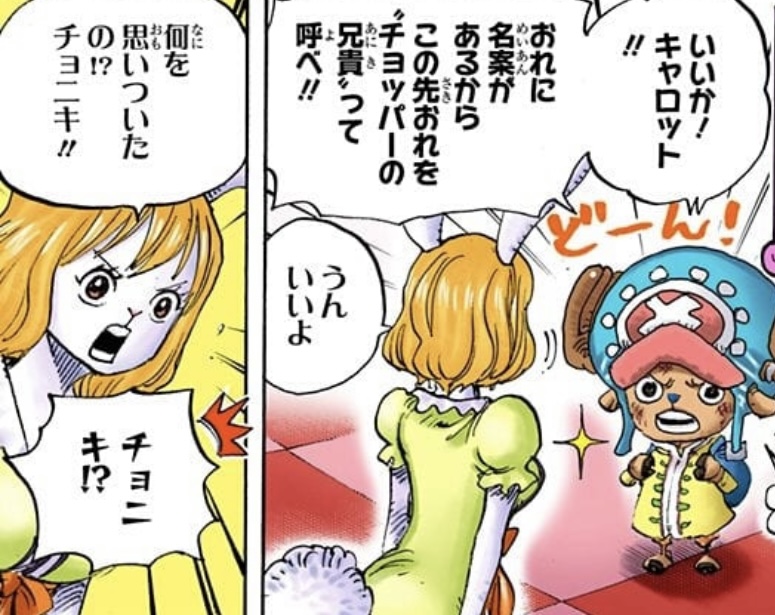
When Chopper — who can speak to animals — tries to assert himself over Carrot, the dynamic feels exactly like Mog and Umaro from FF6.
And the most thoroughly Romancing SaGa-influenced element of ONE PIECE is the Romancing SaGa series itself.
The “Free Scenario” System
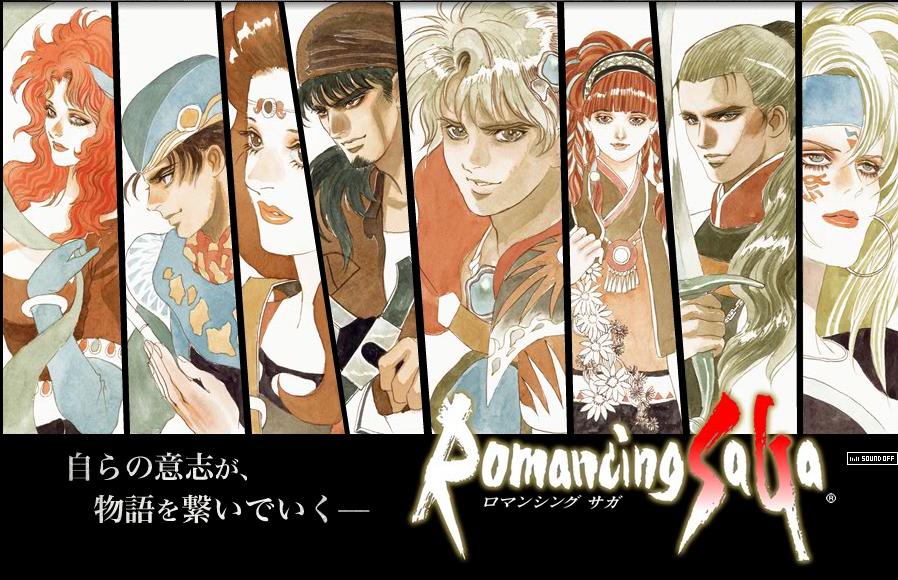
In the SaGa series, you don’t start with a single protagonist — instead, multiple characters are scattered across the world from the beginning.
Players can switch between protagonists at will, advancing each character’s completely different storyline. Eventually, all paths converge into a climactic final scenario — this is the revolutionary “Free Scenario” system.
At the time, it was groundbreaking. Playing felt like experiencing a brand-new kind of game.
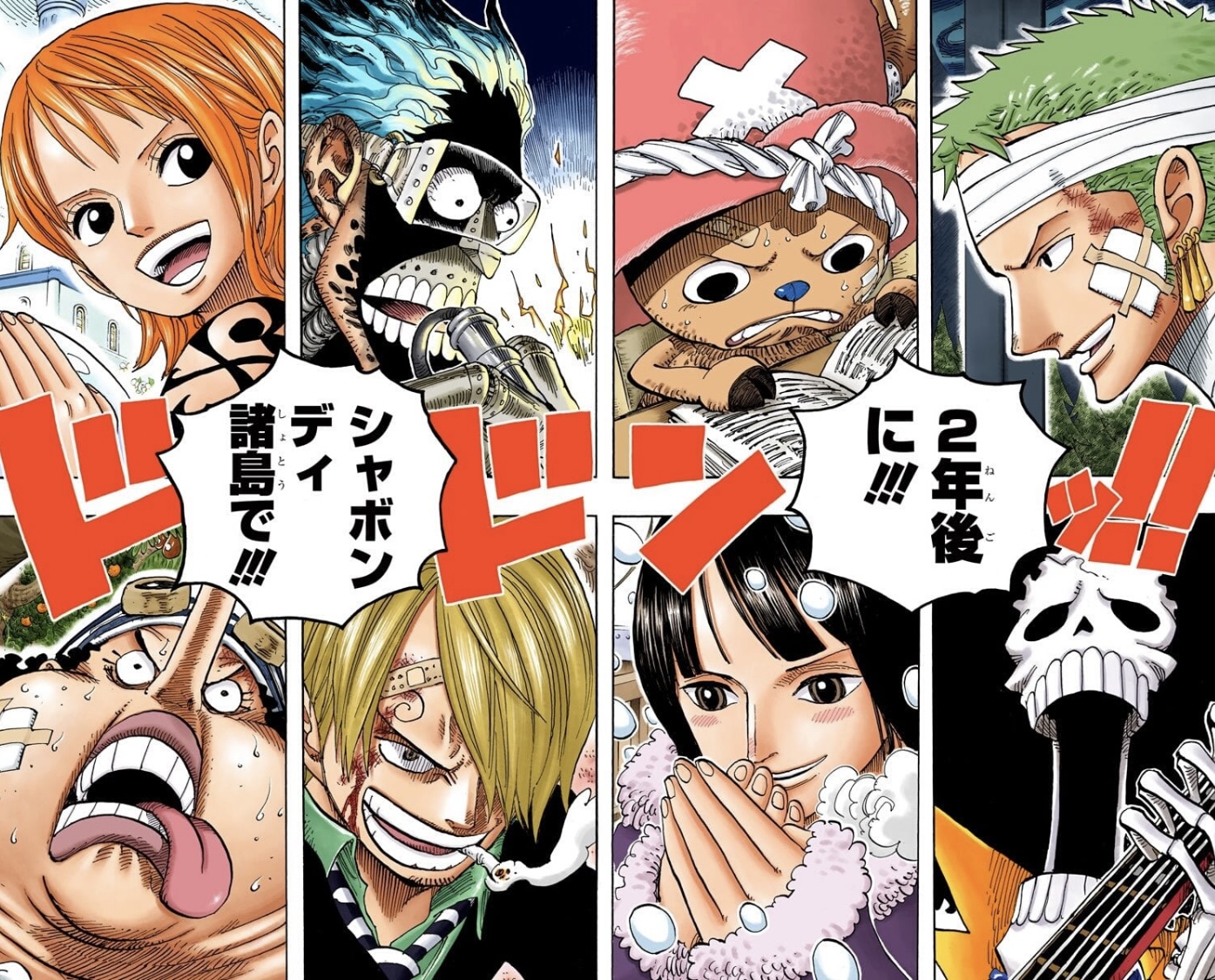
The 3D2Y arc is basically pure Romancing SaGa.
The “Spark” — Learning New Techniques Mid-Battle

The most exciting moment in any Romancing SaGa playthrough is the “Spark” — suddenly learning a brand-new technique mid-battle.
In most RPGs before SaGa, you learned new moves by leveling up after a fight and then used them next time. SaGa changed everything — in the middle of combat, a lightbulb would flash and your character would unleash a move they’d never done before.
Oda was clearly thrilled by this, because ONE PIECE runs on the same principle — characters master new techniques during the fight.

The Combination “Spark”
In Romancing SaGa, multiple characters can Spark at the same time and spontaneously execute a powerful combination attack.

This was another moment that sent players into a frenzy — and of course Oda brought it into ONE PIECE.
The battle against Oars was wall-to-wall improvised combo attacks.
Franky’s instant “Stairway to Heaven” construction → launching into Super Flapparage Gong.

And Usopp, Robin, Nami, and Brook’s improvised combo: Raikotsuken Kakumei Buyō Bon na Vant.

A thrilling moment in a game translates into an equally thrilling moment in manga. Games and manga are simply made for each other.
The World’s Oldest Mythology in Writing
So — Oda clearly loved Square’s RPGs most, the ones that wove the world’s mythologies together. And since Romancing SaGa and Secret of Mana are both “Final Fantasy Gaiden” titles, the original Final Fantasy remains the ultimate myth-blending narrative.
The scriptwriters obviously researched world mythology exhaustively. You can tell from one character in particular:

Gilgamesh is the name of a legendary king from the early Sumerian dynasty.
He’s the hero of the Epic of Gilgamesh — the world’s oldest surviving written mythology, discovered on clay tablets — and he’s considered a real historical figure.

Yet the epic is full of gods — causing great floods to destroy humanity, creating monsters to ravage cities — giving it an intensely fantastical character. Some even call it the source material for the Bible. That raises an uncomfortable question: if this was a real king’s story, and gods appear in it… were the gods real too? History and myth start to blur.
Side note: Humbaba — the very first boss in FF6 — is also a character from the Epic of Gilgamesh.

And the name of Sumer’s supreme deity is “An” — which seems likely to be connected to Im, the mysterious figure sitting atop the World Government in ONE PIECE. More on that in a separate article.