Captain Kidd’s treasure legend is woven into One Piece from multiple angles — through a pirate name, a novel that reshaped adventure fiction, and a monk who became a warlord. The four members of the Worst Generation covered here reach into that same tradition of historical outlaws, fictional pirates, and real-world gang empires.
Eustass Kid: Two Pirates, One Name
William Kidd (Officially Confirmed)
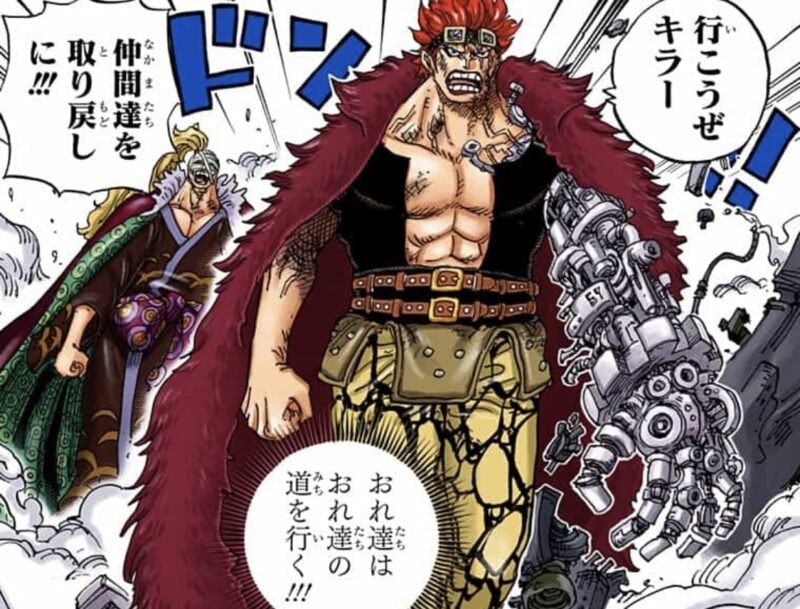
The “Kidd” in Eustass Kid comes from Captain William Kidd — confirmed in Oda’s SBS column. A Scottish privateer based in the Caribbean, Kidd was executed for five counts of piracy and one murder. His body was tarred to prevent decay, bound in iron rings, and suspended above the Thames at a busy tourist spot, where it was left to hang for years as a public warning.
Before his execution, Kidd was held in Newgate Prison — the same name as Whitebeard’s surname, Newgate.
Kidd’s most enduring legacy is the treasure legend. The story that he buried a vast fortune on a remote island before his capture became the direct inspiration for Robert Louis Stevenson’s novel Treasure Island. That legend is also why two small islands north of Amami Oshima in Japan are named Takarajima (Treasure Island) and Kotakarajima — named for Kidd’s rumored buried treasure. Kid’s arc in Wano — a Japanese-themed island chain — may not be a coincidence.
Eustace the Monk
The “Eustass” part of Kid’s name points to a separate historical figure: Eustace the Monk, a medieval English pirate who began life as a Benedictine monk before turning outlaw. King John of England granted him command of 30 ships as a privateer — the equivalent of a Warlord of the Sea appointment.
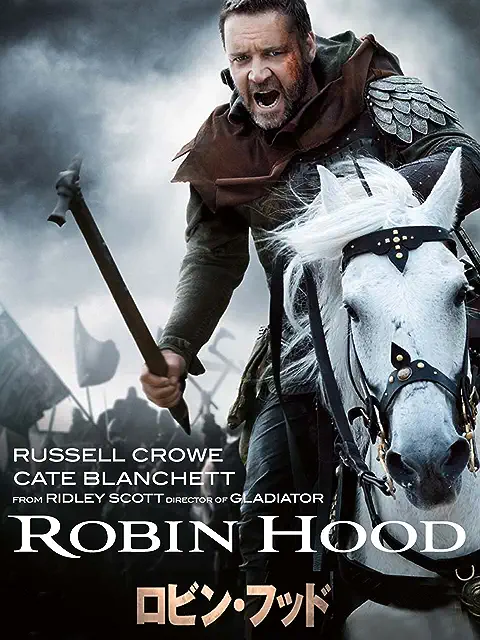
Eustace is also considered one of the inspirations for Friar Tuck in the Robin Hood legends — the cheerful, physically powerful monk character. That connection leads directly to the next member of the Worst Generation.
Treasure Island: Rayleigh, Zeff, and the Novel Behind the Name
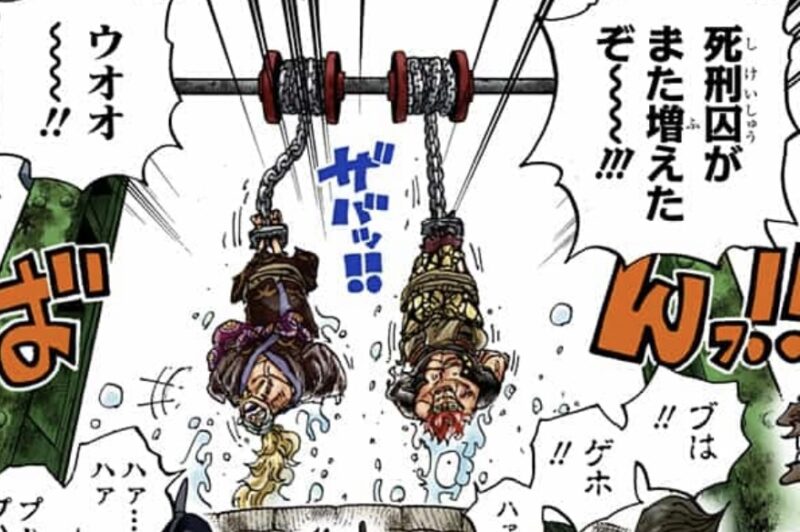
Treasure Island’s central character isn’t actually Kidd — it’s Long John Silver, the one-legged sea cook who lures the young protagonist into adventure on the high seas. His role as a mentor figure who trains the main character for what lies ahead maps directly onto Silvers Rayleigh, who spent two years training Luffy on Rusukaina Island.
Long John Silver is a one-legged cook. That same combination — lost leg, career as a cook — appears in Zeff, whose full title is “Red Leg” Zeff. Two characters in One Piece carry the same set of traits from the same fictional pirate.
Urogue: Barbarossa and the Monk Oda Always Wanted to Write
Barbarossa Aruj
Urogue’s model is Barbarossa Aruj, the elder of the famous Barbarossa brothers who dominated the Mediterranean under the Ottoman Empire. “Barbarossa” means “red beard” in Italian — a name that stuck because of the color of his beard. Aruj was granted control of Algeria by the Ottoman Sultan, but his harsh rule over the local population led to his eventual defeat and death at the hands of English forces.
Barbarossa Aruj is also considered one of the inspirations for Captain Barbossa in Pirates of the Caribbean. A sky island pirate, a man with power over nations, and a character linked to one of the most famous pirate franchises in the world — Urogue’s model runs deep.
Oda’s Monk from Before One Piece
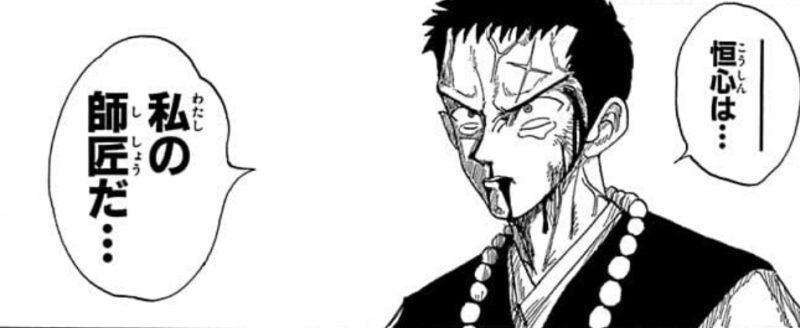
Before One Piece began serialization, Oda published a short story collection called WANTED! It contains five standalone stories, each with a different protagonist: a gunman, a pickpocket, a monk, a samurai, and a pirate. Those five archetypes map onto One Piece almost perfectly — gunman to Usopp and Ace, pickpocket to Nami, samurai to Zoro, pirate to Luffy. The monk has been waiting. Oda’s personal attachment to that archetype makes Urogue’s role in the final arc something worth watching.
Scratchmen Apoo: The Hong Kong Pirate Who Had to Join a Bigger Fleet
Apoo’s model is officially confirmed as Chui A-poo (Xu Yadao), a real 19th-century pirate operating in the South China Sea under the command of Hong Kong’s largest pirate fleet. As a commander within that alliance, A-poo led attacks on British merchant vessels — but always as a subordinate, never as an independent power.
This historical relationship determined Apoo’s story before Oda even wrote it. A-poo was never the top pirate — he operated under a larger organization. Apoo joining Kaido was built into the model from the start. His braided hairstyle, long-limbed appearance, and Chinese clothing also reflect his character’s direct roots in Chinese and Mongolian culture.
Capone Bege: Al Capone, the Godfather, and Two Hidden Names
Al Capone
Bege’s most visible model is Al Capone — New York’s most famous gangster, known publicly as “Scarface,” who cultivated a cheerful, media-friendly persona while running one of the most violent criminal operations in American history. The young Al Capone was recruited into serious organized crime by a gangster named Frankie Yale — a name that may have inspired Franky in the Straw Hats.
The Godfather’s Hidden Names
The film The Godfather is also embedded in Bege’s character. The central figure, Vito Corleone, was based on a composite of real New York mafia bosses from the five families that controlled the city after World War II. Two of those real bosses appear in One Piece by name: Vito Genovese became the model for Bege’s son Vito, and Lucky Luciano — the most powerful organized crime figure in American history — became Lucky Roux, the round member of Shanks’ crew.
The mafia, the mob film, and the historical crime boss are all operating in the same character simultaneously — Bege as a narrative archetype runs from real history through Hollywood and into the Grand Line.