Nika, Who’s-Who, and Loki
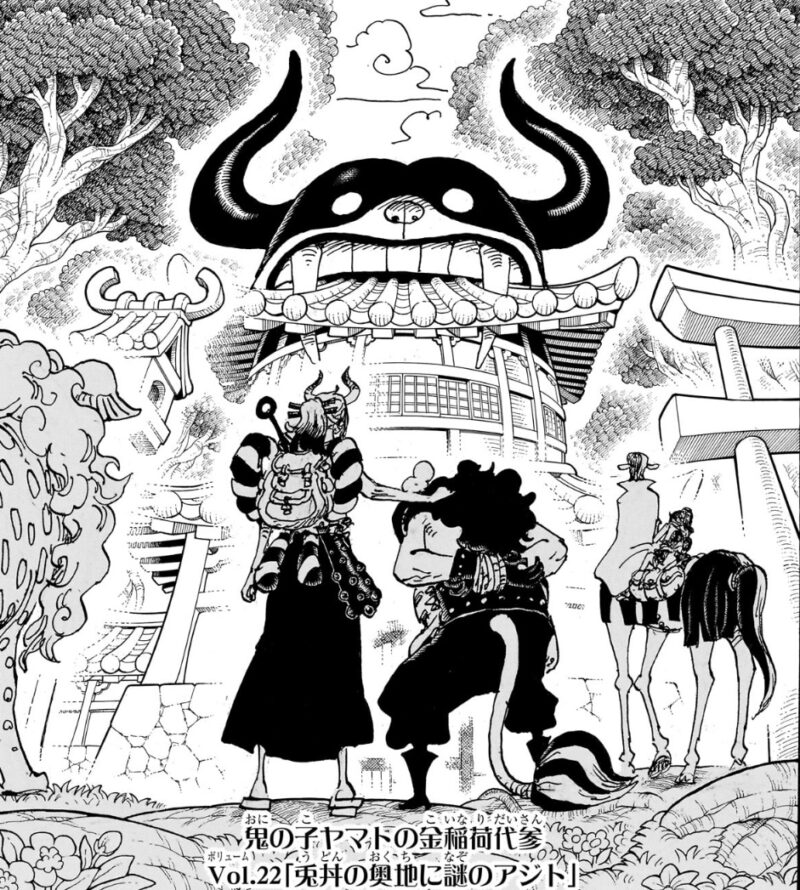
Yamato’s cover story Vol.22: “A mysterious hideout in the depths of Udone.” The cover story remains a digest of Luffy’s adventures — last week was an Egghead self-homage; this week feels like an Elbaf self-homage (the composition resembles the Ch.1130 scene). The castle in the cover is unmistakably decorated with Who’s-Who’s symbol. And the composition — a figure looking up at enormous horns from behind — mirrors Loki and Luffy’s first meeting.
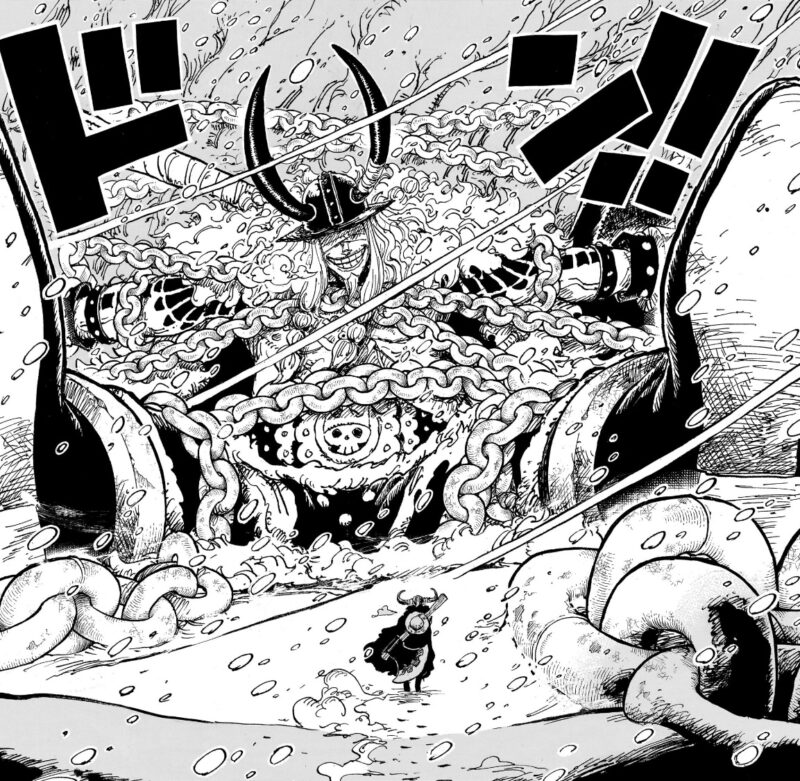
The Who’s-Who connection matters: he was the first character in One Piece to say “Sun God Nika” by name, and the first to show readers Nika’s silhouette. He was also a practicing Nika believer who had kept the faith even while imprisoned. Linking him to the Elbaf arc’s central reveal feels intentional.
A New Silhouette of Nika
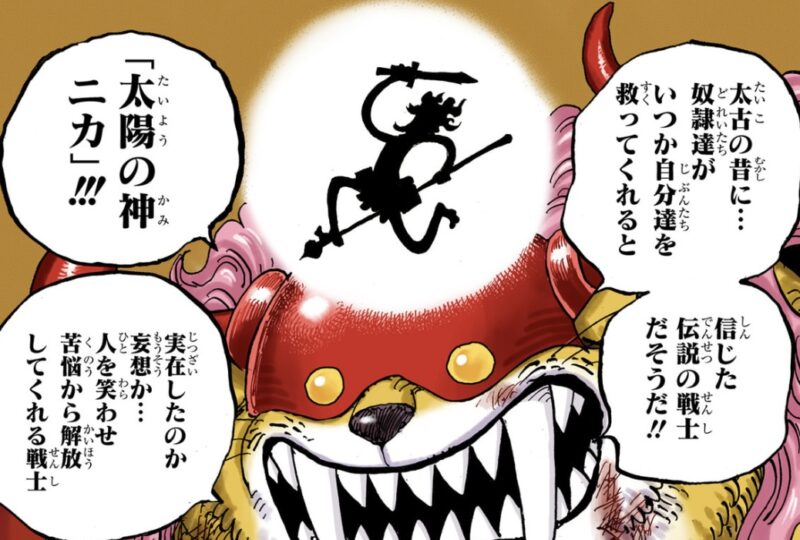
While the cover echoes Who’s-Who, the main story delivers a new Nika silhouette — this time with what appears to be a Nine-Sun Shield (Kyuyou no Tate) added to the image. This may be the same “Sun Shield” that Dribble used to stop Walküre’s charge in the Elbaf arc.
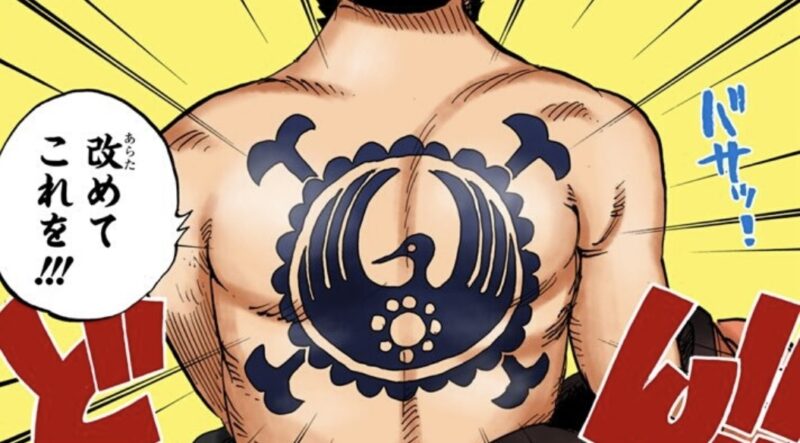
And the same sun emblem appears as a key symbol in three different nations:
- The national flag of Alabasta (vol.82)
- Part of the Kozuki family crest (vol.82)
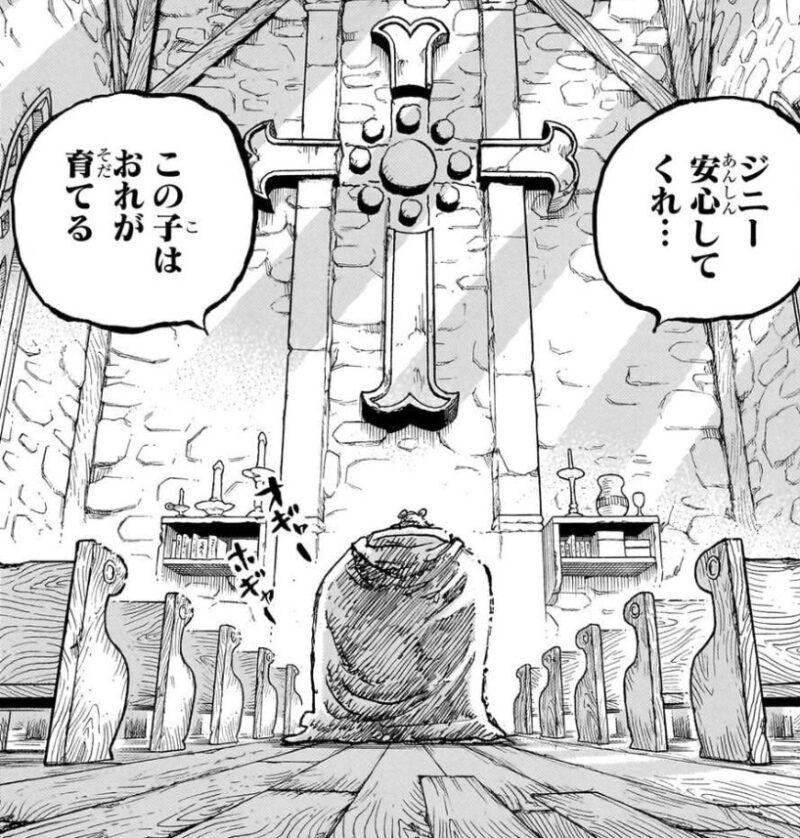
- The center of Kuma’s church cross (vol.108)
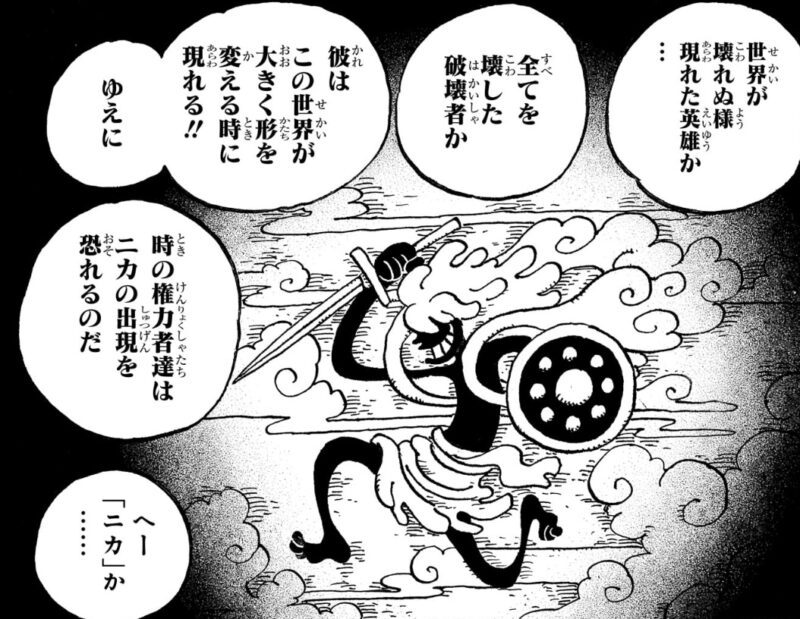
Alabasta, Wano, and the Buccaneers — three cultures with the same solar symbol. Could these be the descendants of Joy Boy’s original allies, people who kept his emblem across 900 years?
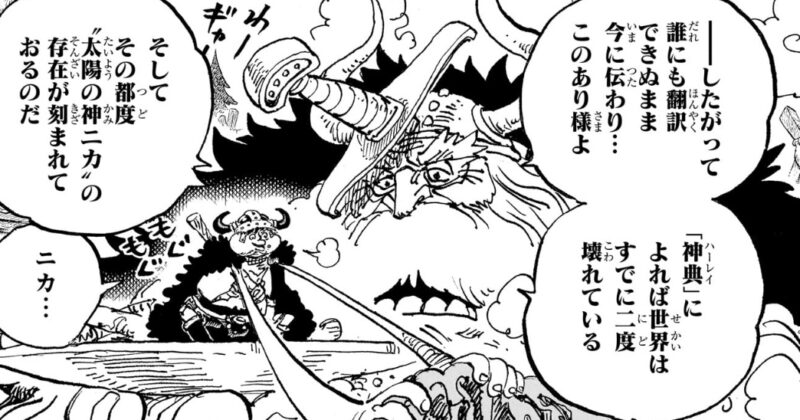
Sacred Texts That Record the World Breaking Twice
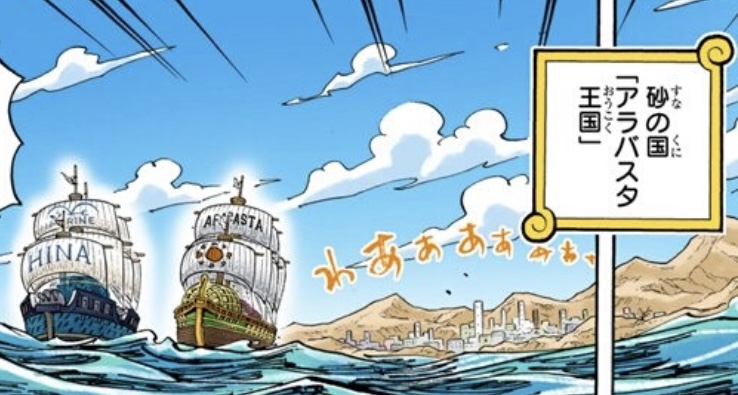
Four real-world mythological traditions describe “the world being created and destroyed in cycles”:
- Norse mythology → Elbaf
- Hinduism → Shiva is the model for Myō-ō → Gear 4 Luffy is called Myō-ō (Bodhisattva)
- Mesoamerican mythology (Aztec / Maya) → Shandia, the Sorbet Kingdom
- Zoroastrianism → the supreme deity is Ahura (Asura) → Asura → Zoro’s Asura form
All four mythologies have deep structural connections to specific Straw Hat crew members. The “world being destroyed twice” sacred text that appears in this chapter ties directly into that framework — more on this in a dedicated article soon.
Loki’s List of Crimes
From the Elbaf records, here is what Loki has done:
- Shortly after birth: killed the Lucky Horse
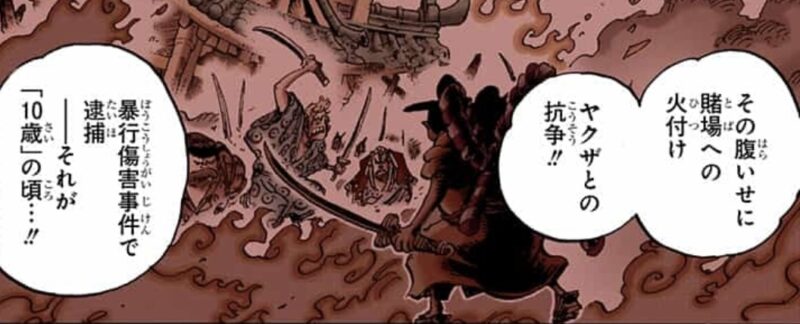
- At age 10: commanded the underworld’s vicious animals and unleashed them on the village
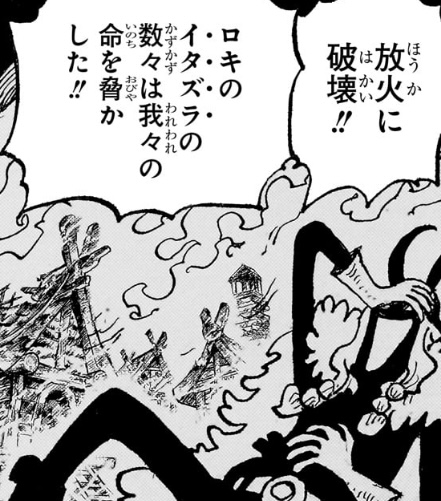
- Arson and widespread destruction
- Stabbed a sword through Yarle’s head and killed King Harald
Honestly? After reading Oden’s biography, Loki’s “crimes” feel almost endearing by comparison. A kid who lets loose some underworld animals and starts a few fires — Oden was doing worse and we called him a hero.
Giants Are Incredibly Easy to Fool
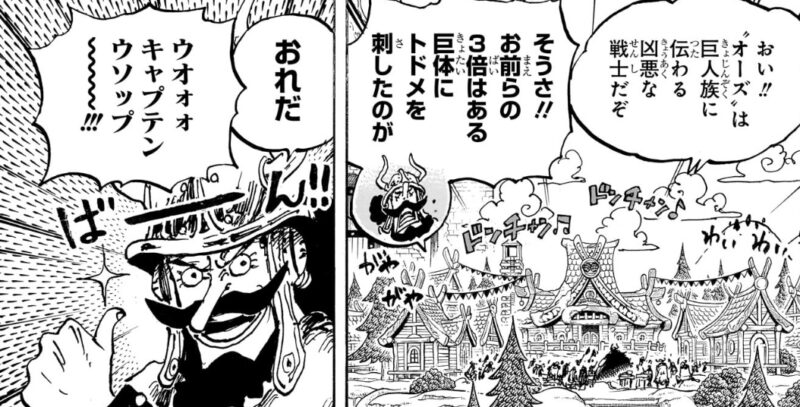
Usopp’s tall tales land perfectly on the giant warriors — they believe everything. But this isn’t just a comedic character trait; it’s a pattern with consequences. Oimo and Kashi were deceived by the World Government for 50 years. Mother Carmel infiltrated Elbaf by staging a performance with the Navy.
In the year Big Mom (Linlin) was at Elbaf, there were many disasters. Mother Carmel was there at the same time. Was King Harald himself also fooled by this “mountain witch” (yamanba) and nearly convinced to open Elbaf’s borders to the World Government? Was Harald genuinely a wise and good king — or was he simply a soft-hearted ruler who was repeatedly deceived into terrible decisions?
Gunko-chan
The new character Gunko: oversized school uniform (gakuran?), glasses. The design looks like it could be modeled on “The Professor” from the classic Fujiko F. Fujio manga Obake no Q-taro. Given that Vegapunk’s six Satellites were all modeled on Fujiko F. Fujio characters, this wouldn’t be the first time Oda has gone back to that well.