The name “Nefertari” — the royal family name of Alabasta — is not a made-up fantasy word. Nefertari was the most beloved queen of Ramesses II, the most powerful pharaoh in ancient Egyptian history. Oda named the royal family of an ancient desert kingdom after the queen of the man considered the greatest ruler Egypt ever produced. Everything in the arc follows from there.
Rain Dinners Casino = The Great Pyramid of Giza
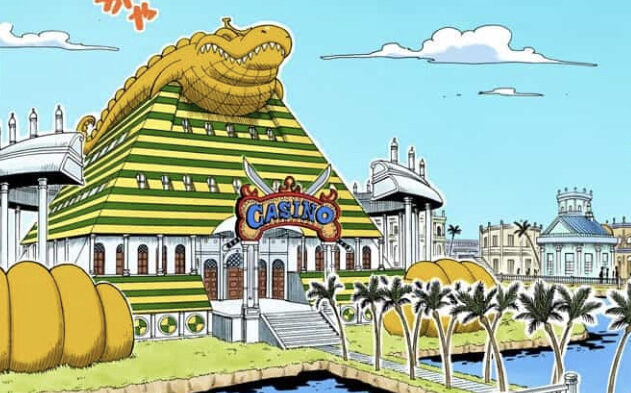
The building that houses Crocodile’s casino, Rain Dinners, has a distinctive design: a pyramid with a crocodile (or crocodile-sphinx) at the entrance. This is a literal combination of two of the most famous monuments at Giza — the Great Pyramid of Khufu and the Great Sphinx, both part of the UNESCO World Heritage Site “Memphis and its Necropolis.”
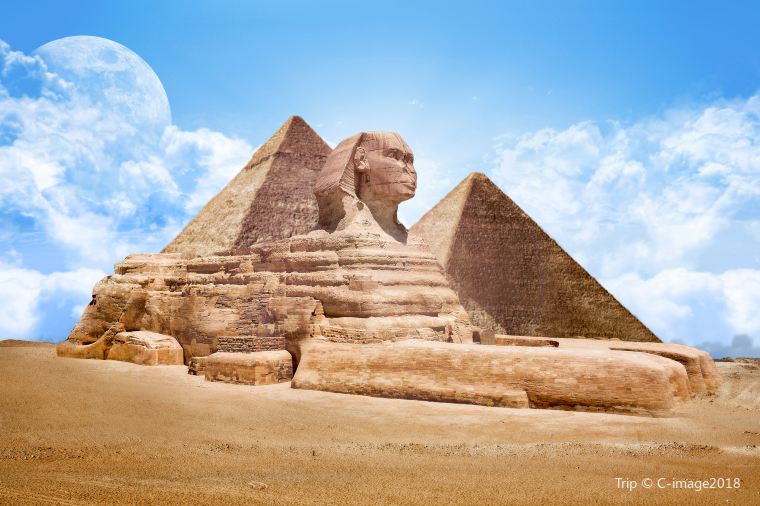
The Sphinx guards the pyramid complex at Giza. In Oda’s version, the guardian lion-body becomes a crocodile — matching Crocodile himself. The striped coloring on the building references the gold bands on Tutankhamun’s famous burial mask. The model is precise down to its structural logic: a sphinx guarding a pyramid, transformed into a crocodile guarding a casino built by a man who goes by the name of the animal.
Yuba Oasis = Siwa Oasis
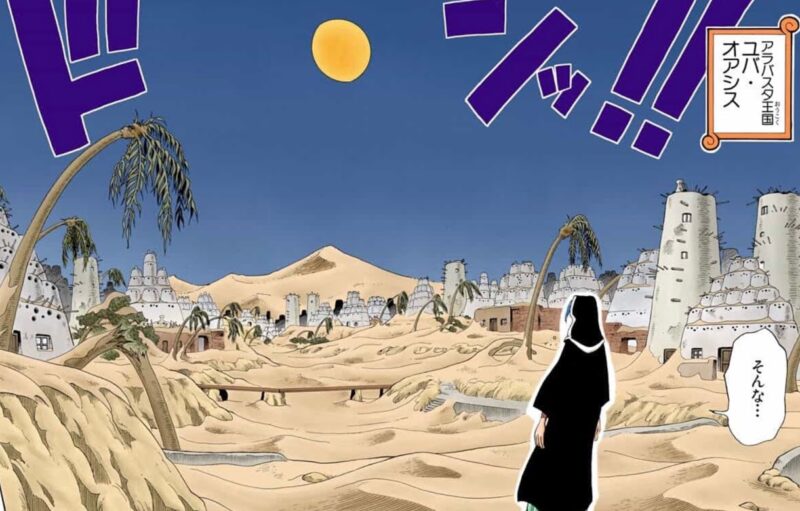
The Yuba Oasis — built up by Toto at the king’s request, once a trading hub, slowly dying as the rain stops — is modeled on the Siwa Oasis in northwestern Egypt. Siwa was used as a place of exile by ancient Rome, functioned as a necropolis (city of the dead) during Egypt’s 26th Dynasty, and slowly declined from a functioning trade hub as desert conditions intensified. A place with a history of use, and a history of abandonment. Toto’s story about building something in the desert and watching it die is the Siwa story.
The Poneglyph Tomb = Abu Simbel — Where UNESCO Was Born
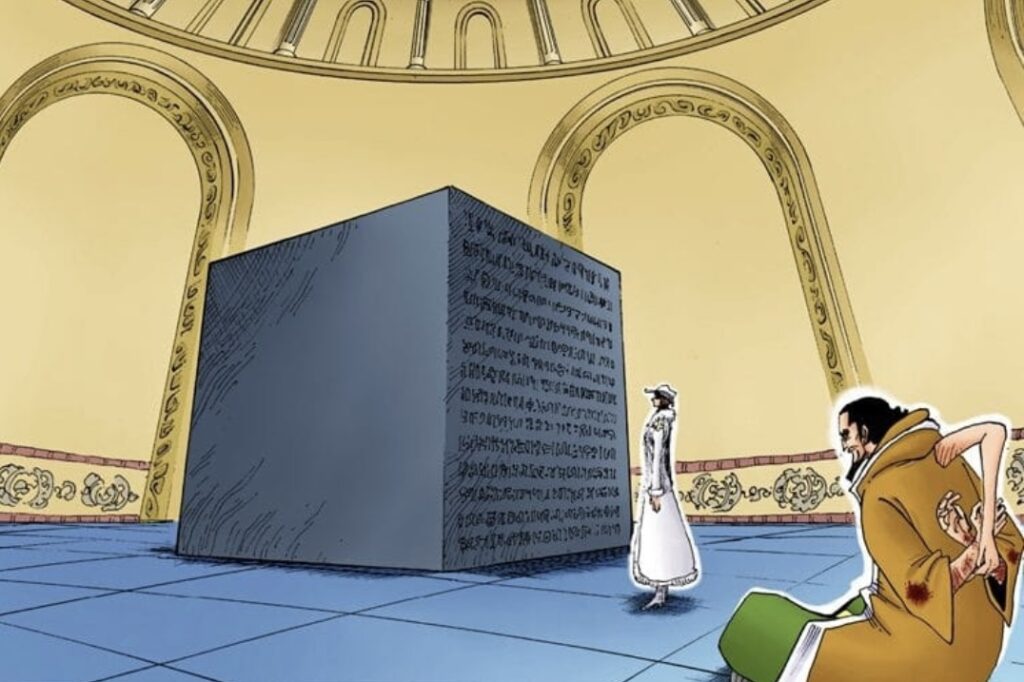
The first Poneglyph in the series appears in an underground tomb in Alabasta. That tomb is modeled on the Abu Simbel temples — built by Ramesses II for himself and for Queen Nefertari.
In the 1960s, the construction of the Aswan High Dam threatened to permanently submerge Abu Simbel under Lake Nasser. UNESCO organized an international rescue operation — the temples were cut into over 1,000 blocks, moved 65 meters uphill, and reassembled exactly. It was the most complex archaeological rescue ever attempted, and it succeeded.
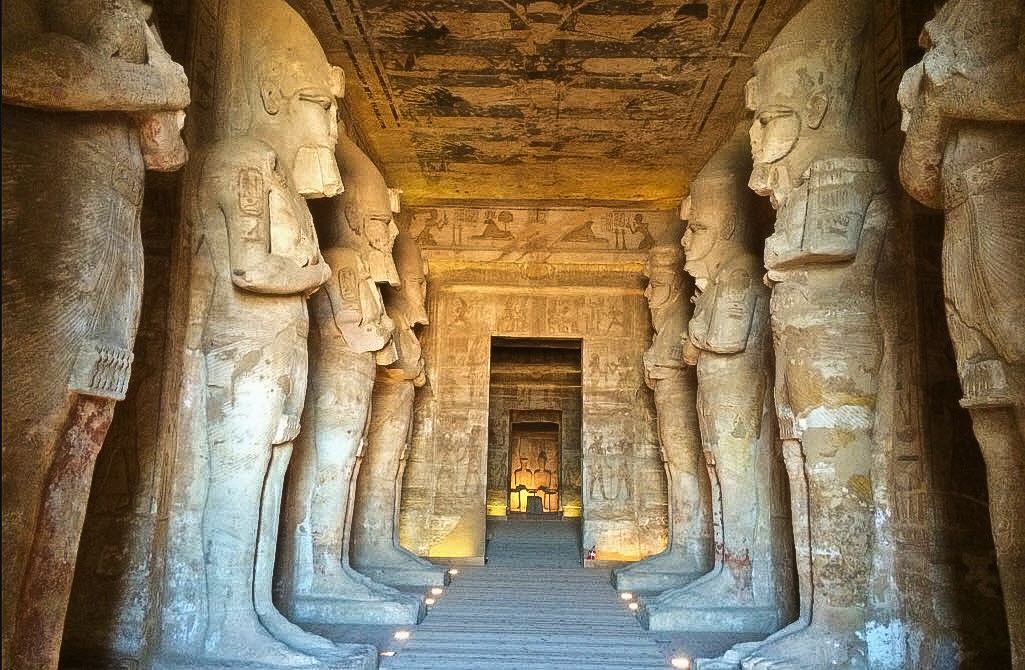
This operation was the direct catalyst for the creation of the UNESCO World Heritage Convention in 1972 — the system that now protects over 1,100 sites globally. The first place in One Piece where the true history carved in stone is discovered is modeled on the site whose rescue literally created the international system for protecting humanity’s written and physical heritage.
The Poneglyphs are indestructible stones containing history that the World Government cannot erase. The Abu Simbel temples are monuments that survived because the world decided some records are too important to lose. Oda built the Poneglyph concept on top of the real-world story of humanity fighting to preserve its own history.
Ramesses II and the Political Structure of Alabasta
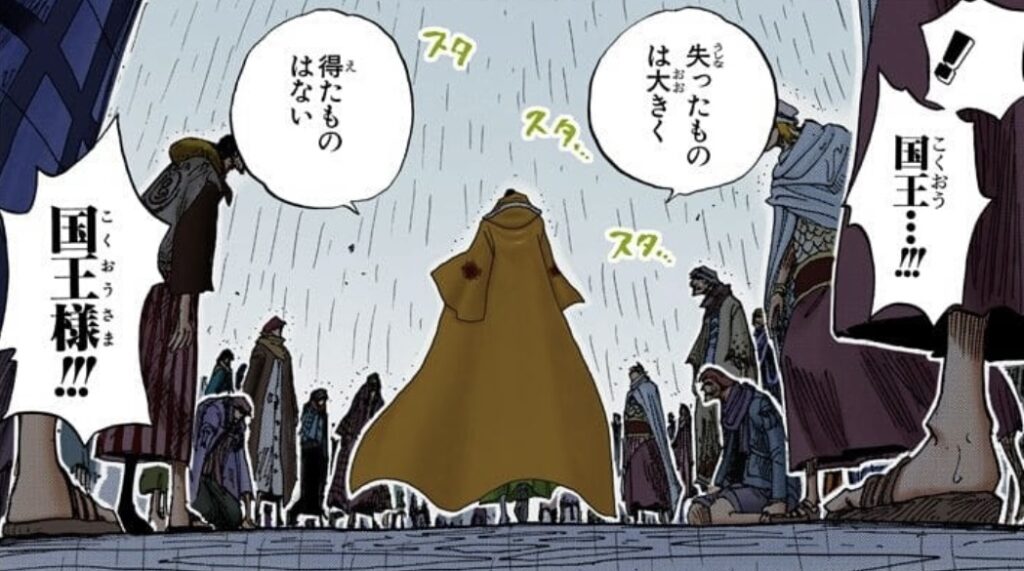
Ramesses II reigned for 66 years and is associated with both Egypt’s greatest military campaigns and its longest period of stability. He also famously signed the earliest surviving peace treaty in recorded history — the Treaty of Kadesh with the Hittites, after a war that ended in stalemate. A ruler defined by both war and diplomacy, whose kingdom faced existential threats from external manipulation.
King Cobra faces Baroque Works — an organization using manufactured crisis (stopping the rain) to destabilize a kingdom from within, so that the population turns against its own ruler. The Alabasta arc is a story about a kingdom being destroyed by manufactured drought and political subversion. Ramesses II spent much of his reign dealing with exactly this type of external threat to Egyptian stability.
For the broader historical pattern, see One Piece History is Real History. For Alabasta’s position on the real-world Grand Line route, see The Real Grand Line.