12 Rakugo Punch-Line Techniques in One Piece
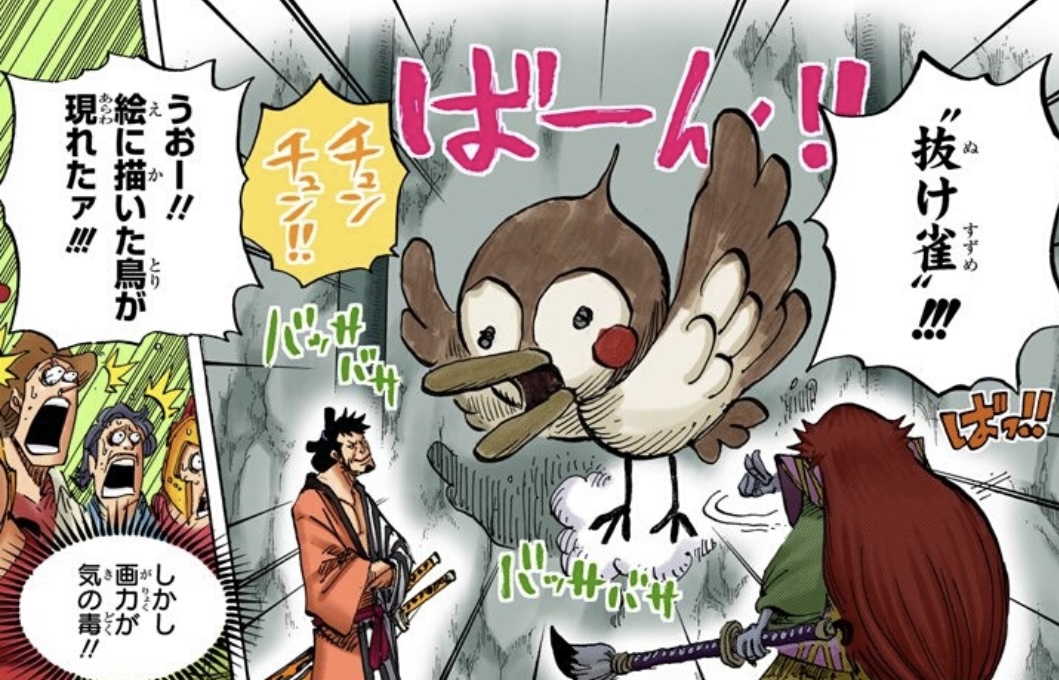
Dressrosa’s “Nukegara” (The Escaped Bird), Ashura Doji’s “Zuzanzan” (The Head Mountain) — One Piece is full of references to traditional Japanese rakugo storytelling.
The manga weaves many elements of rakugo into its narrative.
In particular, almost all of what we call the “gags” in One Piece are built on rakugo punch-line (ochi) techniques. Here is a breakdown of all 12.
Kangae Ochi — The Thought Punch Line
A punch line that only makes sense after you think it over; the humor lands on a delay.
Rakugo examples: Shibahama / Rakuda / Sobakiyo / etc.
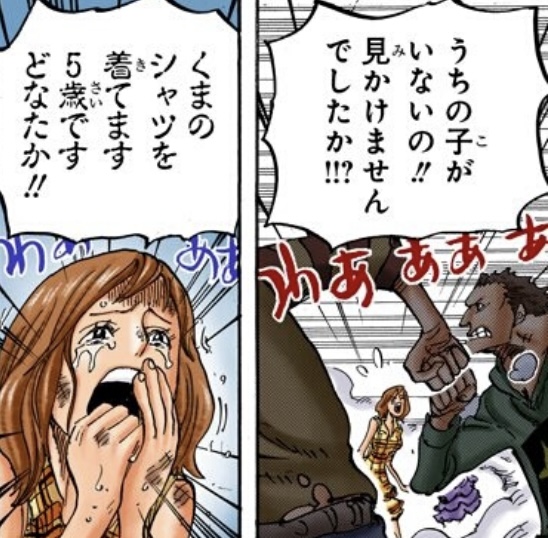
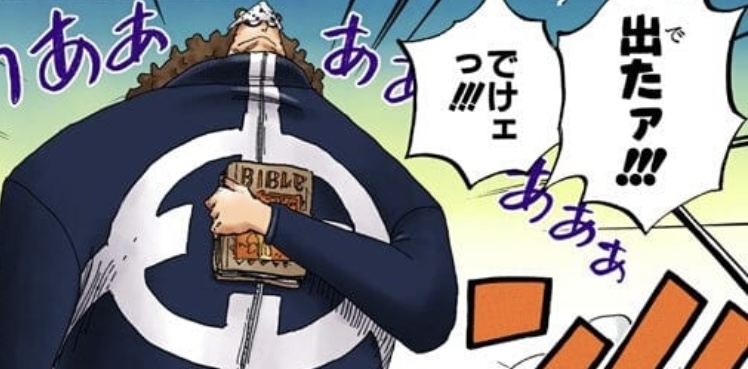
Sakasa Ochi — The Reversal Punch Line
The roles or positions of two characters are flipped, and that reversal becomes the punch line.
Rakugo examples: Hatsutenjin / Udonya / etc.
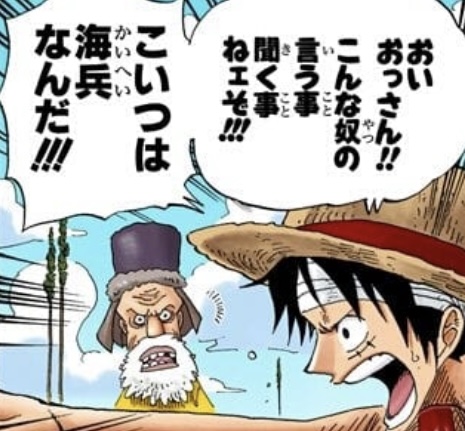
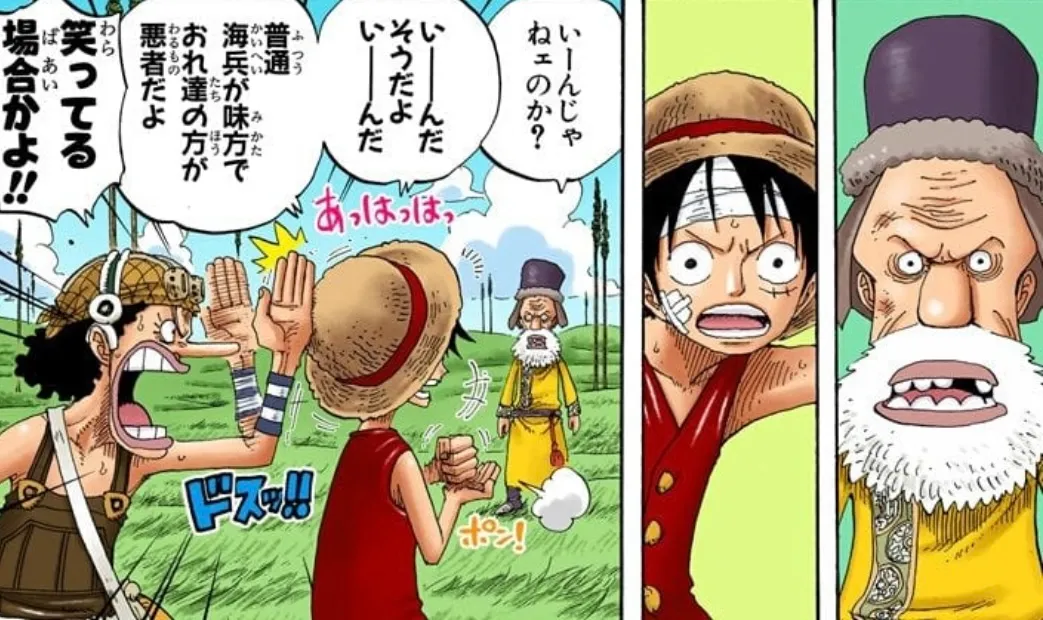
Shigusa Ochi — The Gesture Punch Line
A character’s gesture or physical action drives the story to its punch line.
Rakugo examples: Shinigami / Konnyaku Mondo / etc.
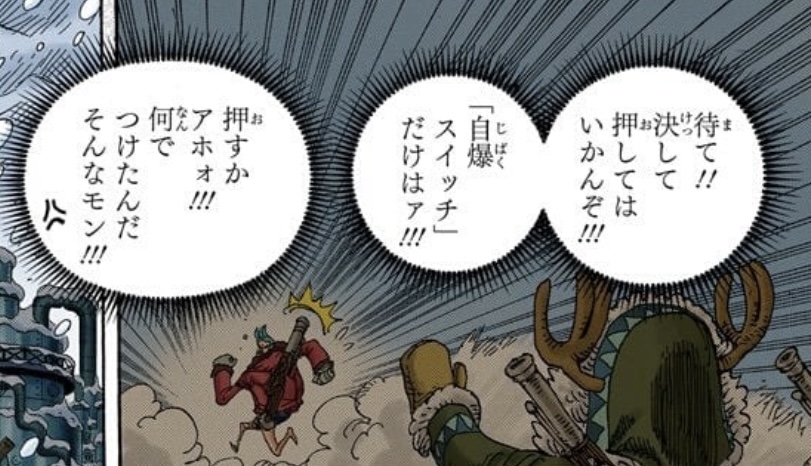
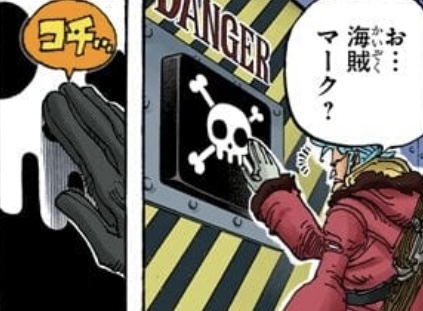
Shikomi Ochi — The Setup Punch Line
A mystery or foreshadowing is planted earlier in the story; it is revealed at the very end to deliver the punch line.
Rakugo examples: Kinshubanya / Dekigokoro / Meguro no Sanma / etc.
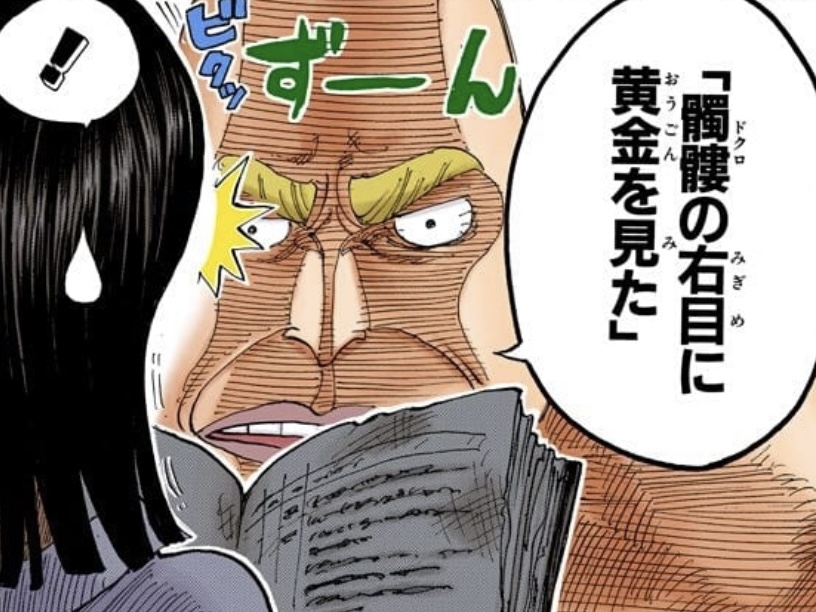
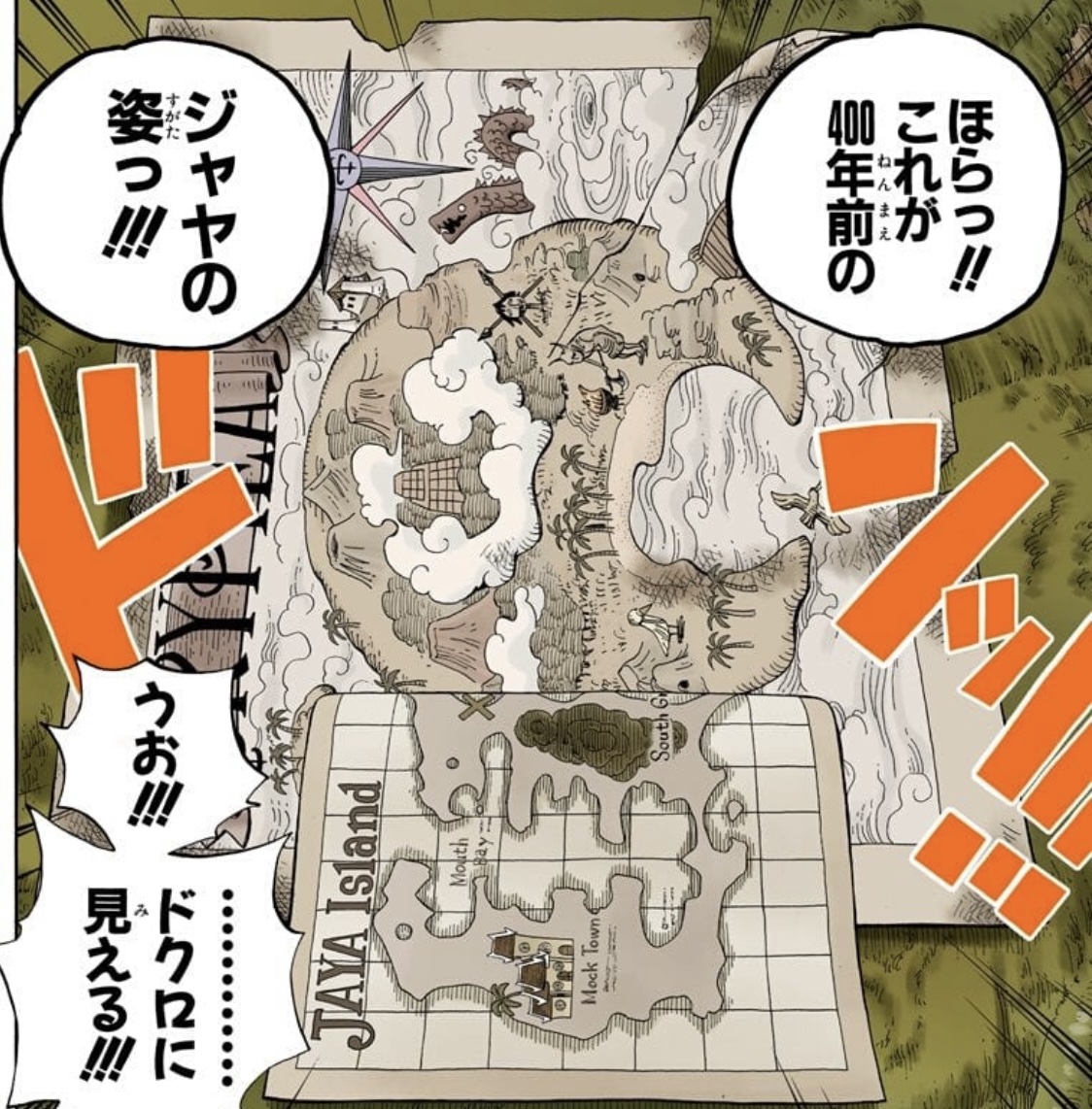
Manuke Ochi — The Blunder Punch Line
A character’s foolish or clueless behavior becomes the punch line.
Rakugo examples: Tokisoba / Sokotsu Nagaya / etc.


Jiguchi Ochi — The Wordplay Punch Line
The punch line is generated through a pun or a play on words.
Rakugo examples: Kaentaiko / Oyama Mairi / etc.

Totan Ochi — The Sudden Punch Line
Just as the audience expects the next line, the final word lands as the punch line all at once.
Rakugo examples: Hyakunenme / Kobikare / etc.


Tonton Ochi — The Steady-Paced Punch Line
The story wraps up at a brisk, rhythmic tempo and rolls right into the punch line.
Rakugo examples: Gama no Abura / Sankoji / Yakan / etc.

Hashigo Ochi — The Ladder Punch Line
The punch line is built step by step, with each rung climbing toward the conclusion.
Rakugo examples: Hitome Agari / etc.

Buttsuke Ochi — The Collision Punch Line
Characters misinterpret each other’s words; their misunderstanding collides and becomes the punch line.
Rakugo examples: Kyojo / Tameshi Zake / etc.

Mawari Ochi — The Circular Punch Line
The story ends exactly where it began, looping back full circle to deliver the punch line.
Rakugo examples: Tengu Sabaki / Jigoku Hakkei / etc.


Mitate Ochi — The Metaphor Punch Line
The storyteller exploits the audience’s preconceptions by likening a person or situation to something unexpected, creating a surprising twist.
Rakugo examples: Kubi Chochin / Tanuki / etc.

Summary
One Piece’s gags draw heavily from the 12 classic punch-line forms of rakugo. Knowing these techniques lets you see each joke from a completely new angle.
Rakugo Picks for Beginners
Manga: Akanesaseru Hanashi (Akanenoshiyo)

Anime: Showa Genroku Rakugo Shinju

Drama: Tiger & Dragon

And that’s all for today. See you next week.