Im Sama and Norse Mythology
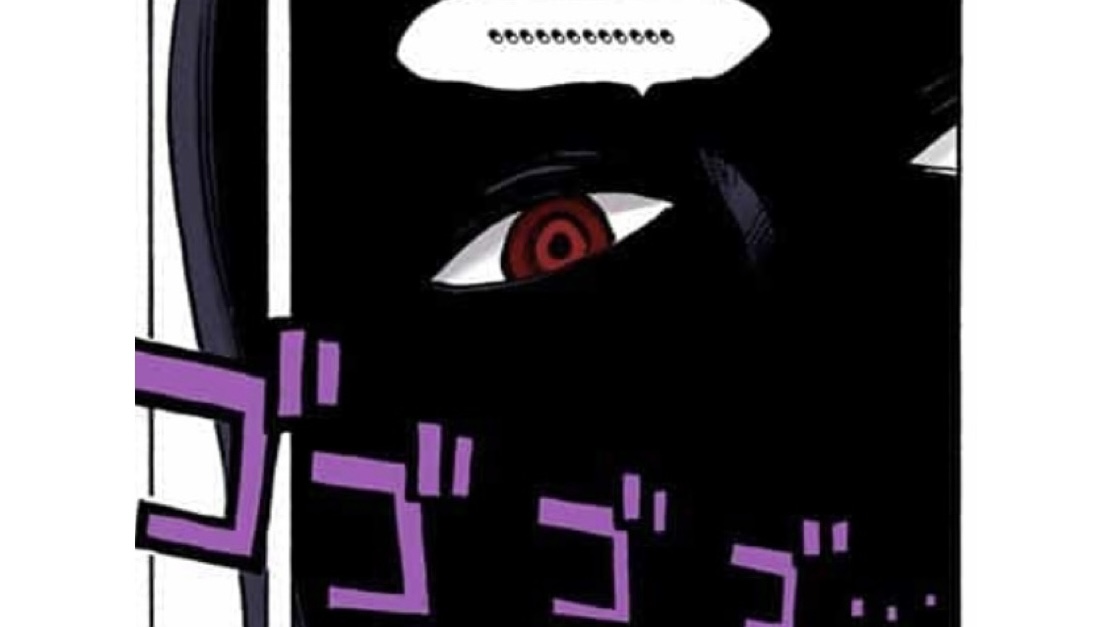
In a previous article, we established that Im Sama’s name derives from King Yima of ancient Iranian/Zoroastrian mythology. But the mythological connections go further — into Norse mythology.
Let’s explore how Norse myth illuminates Im Sama’s identity, the character of Elbaf’s Loki, and the mysterious structure called Tequila Wolf.
Odin as Im Sama’s Shadow
In Norse mythology, Odin is the supreme god — the Allfather, ruler of Asgard, master of magic, wisdom, and war. He sacrificed one eye to drink from Mimir’s Well of Wisdom, and hung himself from Yggdrasil (the World Tree) for nine days to obtain the runes.
Im Sama sits on the Empty Throne — a throne that no one is supposed to occupy — ruling from the shadows. This mirrors Odin’s nature: a supreme power that works invisibly, through agents, from behind the scenes.
Odin’s deep connection to sacrifice, hidden knowledge, and world-spanning ambition resonates strongly with Im’s characterization.
Elbaf’s Loki — The Imprisoned Giant
Norse Loki, after the death of Baldr, was captured by the gods and bound beneath the earth — imprisoned for eternity, with venom dripping on his face.
One Piece’s Loki — the prince of Elbaf — is similarly imprisoned, locked away by the giant society. His nature as a dangerous, chaos-bringing figure who was once free but is now confined directly mirrors the Norse Loki’s punishment.
The Elbaf arc appears to hinge on what happens when Loki escapes (or is released) — just as Norse Ragnarok is triggered by Loki’s escape from his prison.
Tequila Wolf — Bifrost Bridge?
Tequila Wolf is the massive, centuries-long construction project in the New World where slaves have been building a bridge for 700+ years — with no one knowing its ultimate purpose.
In Norse mythology, Bifrost is the rainbow bridge connecting Asgard (the realm of gods) to Midgard (the world of humans). It is guarded, controlled, and used to separate the divine from the mortal.
Tequila Wolf’s bridge — being built toward an unknown destination, likely connected to the World Government’s ultimate plan — may be a version of Bifrost: a bridge that connects the World Government’s “divine” hierarchy to the world it controls.
Yggdrasil — The World Tree and the Red Line
The Red Line in One Piece — the single continuous continent that encircles the globe — may parallel Yggdrasil, the World Tree whose roots and branches connect all nine realms of Norse mythology.
Mary Geoise sits at the top of the Red Line, just as Asgard rests atop Yggdrasil. The World Government’s control of the Red Line gives it dominance over the world’s oceans — just as control of Yggdrasil means control over all nine realms.
Ragnarok and One Piece’s Final War
Norse Ragnarok — the end of the world — involves:
- Loki escaping his prison and leading the forces of chaos
- The World Serpent rising from the ocean
- The fire giant Surtur burning everything
- The gods and giants destroying each other
- A new world rising from the ashes
One Piece’s Final War appears to follow a similar structure: the release of ancient weapons, the fall of the World Government, and the rebirth of the world. The “Will of D” carrying the legacy of the ancient kingdom through to the new age mirrors the Norse concept of a world that ends and is reborn.
Conclusion
Im Sama and Norse mythology are deeply intertwined. From Odin-like omniscience ruling from shadows, to Loki’s imprisonment in Elbaf, to Tequila Wolf as a possible Bifrost — Oda has embedded Norse myth at the highest levels of One Piece’s power structure and mystery. Understanding these connections may be key to predicting how the story’s endgame unfolds.