Luffy’s Dream
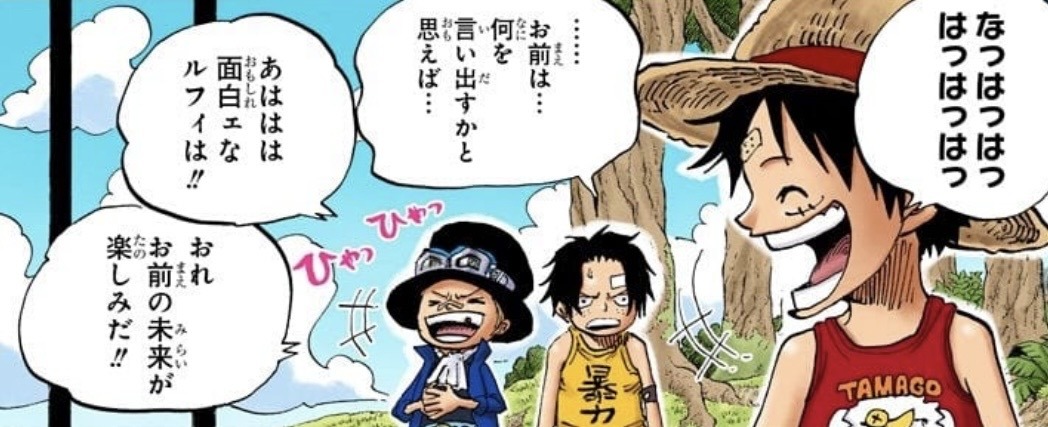
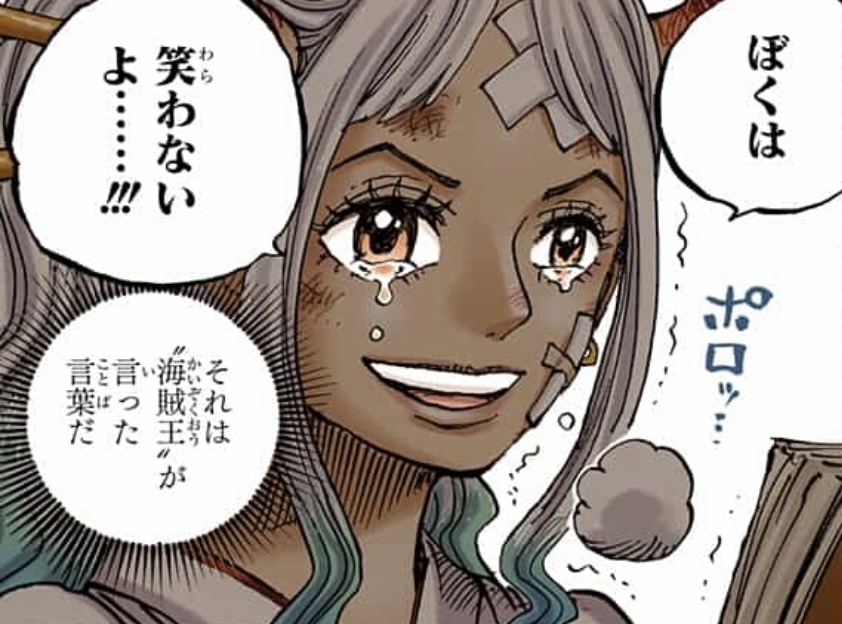
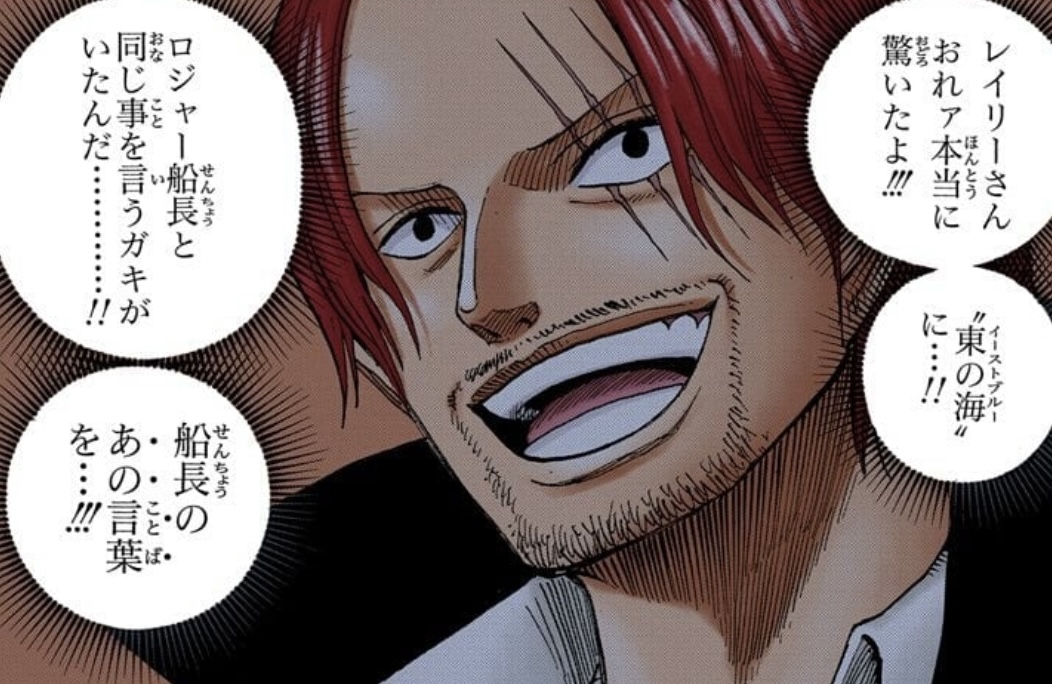
Luffy’s dream has probably not changed since childhood.
When he shared it with his crew after leaving Wano, he called it “the dream’s end” — but the content is essentially the same.
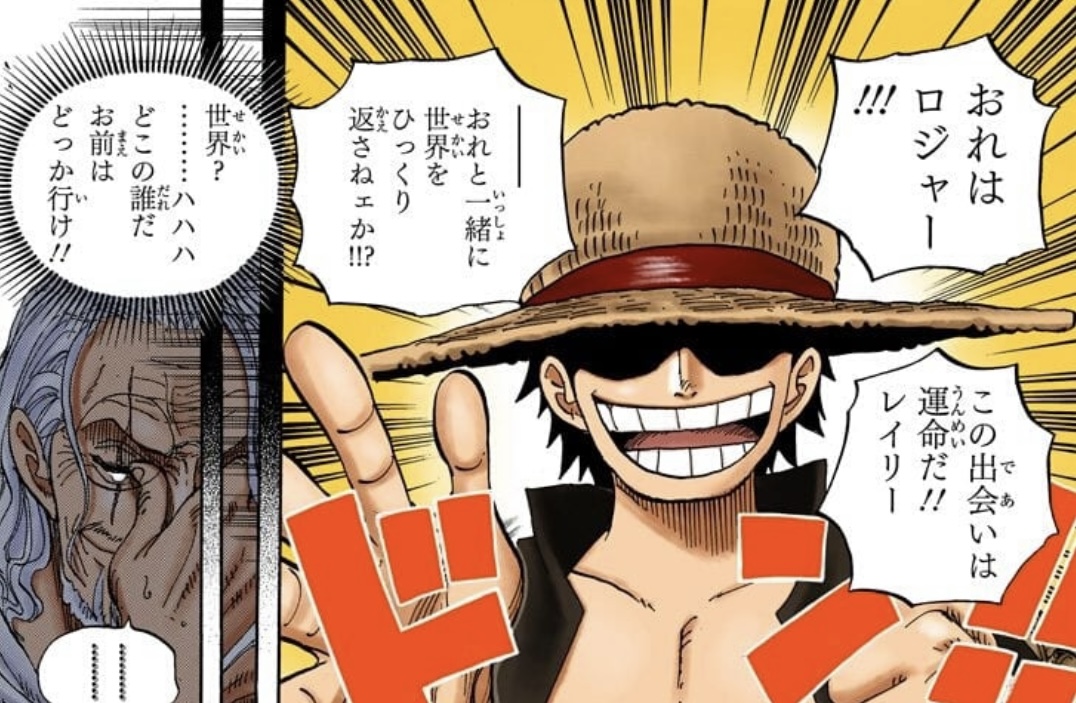
Those who heard Luffy’s dream directly before the crew were Shanks, Ace, and Sabo; Yamato heard it secondhand through Ace.
Their reactions: Shanks and Ace cried. Sabo and Yamato were in shock.
The two who cried had something in common: they already knew that Luffy’s dream matched the words that Pirate King Gol D. Roger once said.
Roger’s Words
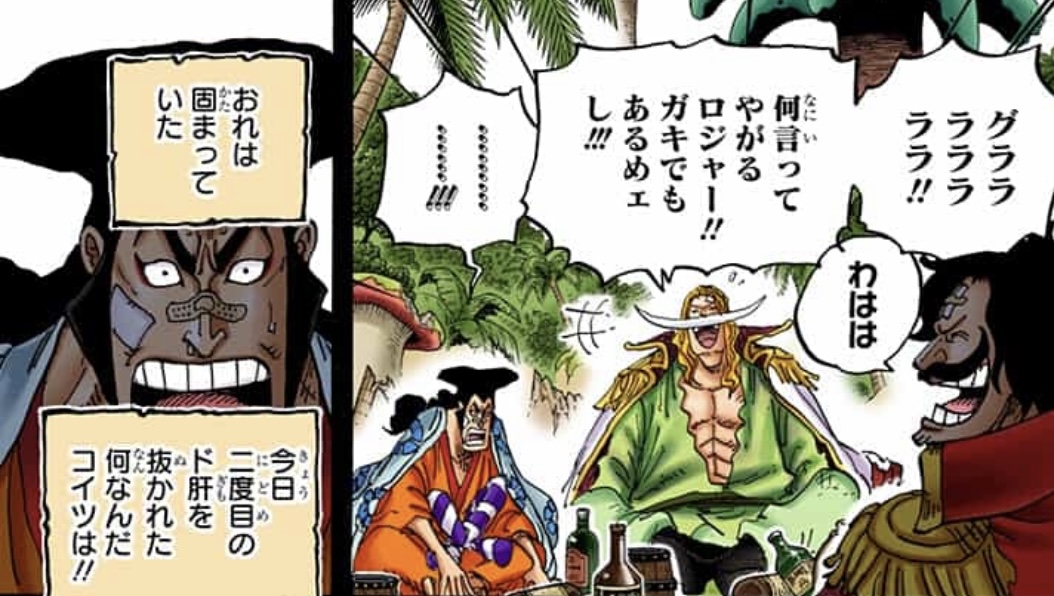
This scene is believed to be the moment Roger said those words.
Notably, the two who heard Roger’s words were Whitebeard and Oden — and their contrasting reactions are also a key clue.
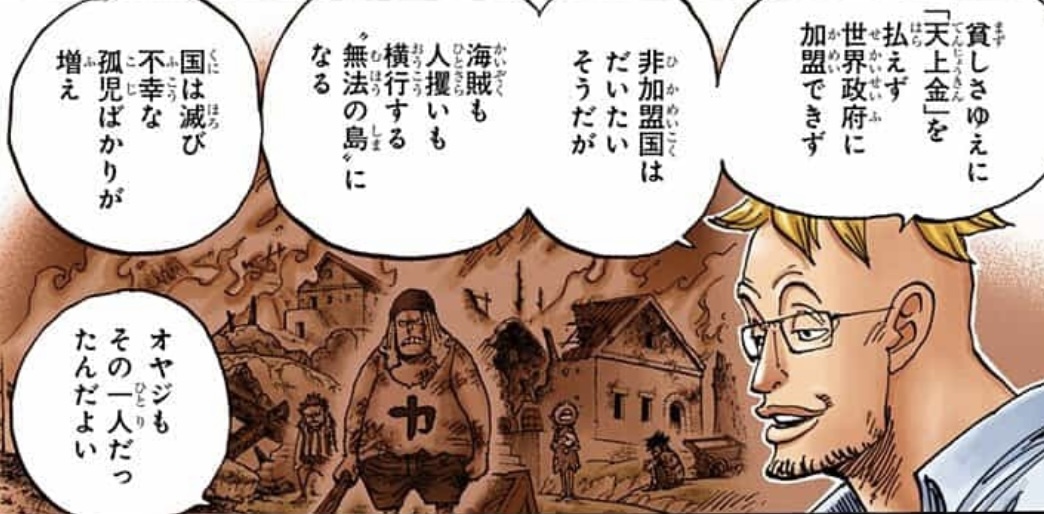
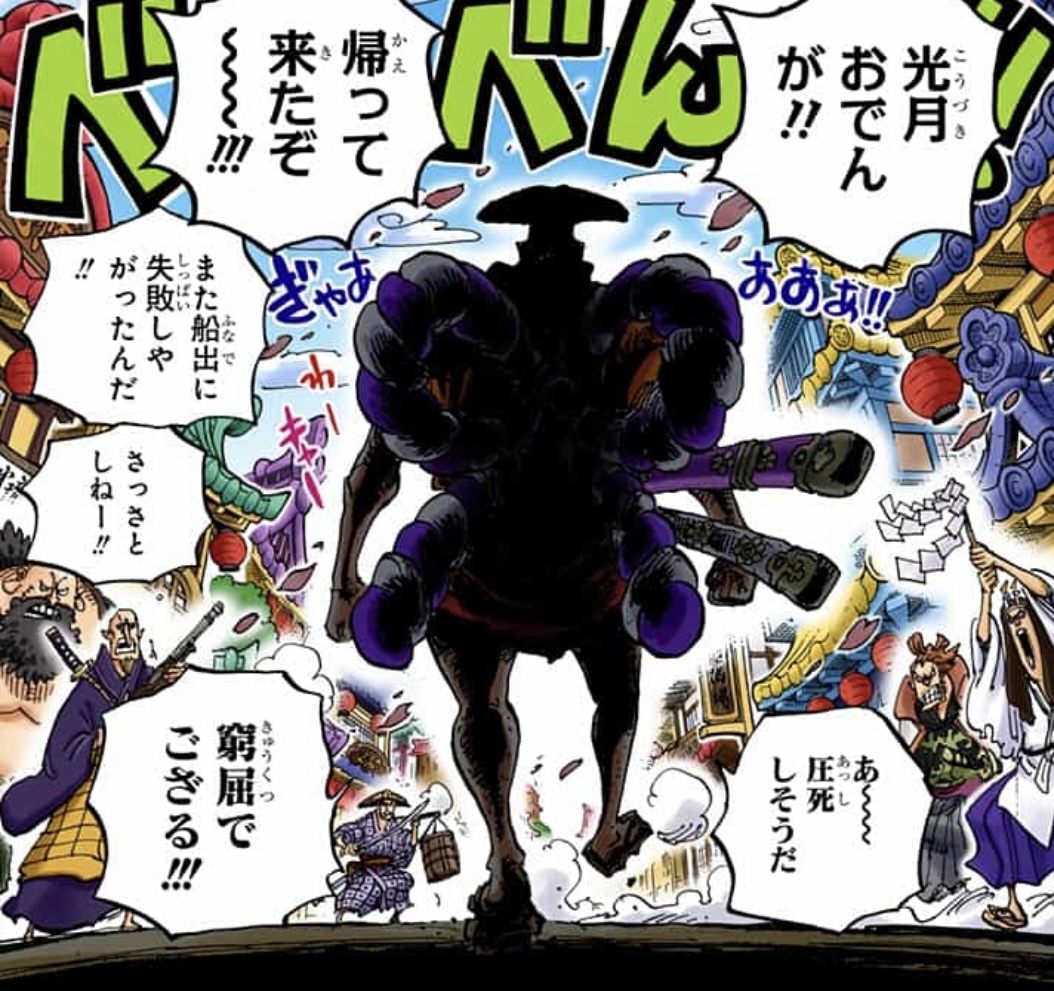
I think both men’s reactions come from imagining: “What if I had been born in a world where Roger’s dream had come true?”
Whitebeard and Oden share one thing: both grew up in nations that did not belong to the World Government.
In Whitebeard’s case, he was big and strong from childhood and could survive on his own even in a lawless non-member nation. He grew up to have fun with his crew as a great pirate. So even if he’d been born into a world where Roger’s dream was fulfilled, he figured it wouldn’t have made much difference — hence the laugh.
In Oden’s case, Wano is a non-member nation whose samurai are too powerful for the World Government to touch. As royalty of that special country, Oden had security — but Wano’s isolationist policy kept outsiders out and Odeners in, leaving the adventure-hungry Oden feeling confined.
If he’d been born into a world where Roger’s dream had come true, everyone could adventure freely overseas, and the knowledge brought back could transform Wano beyond imagining — his mind froze at the thought.
Oden’s Reaction as Evidence
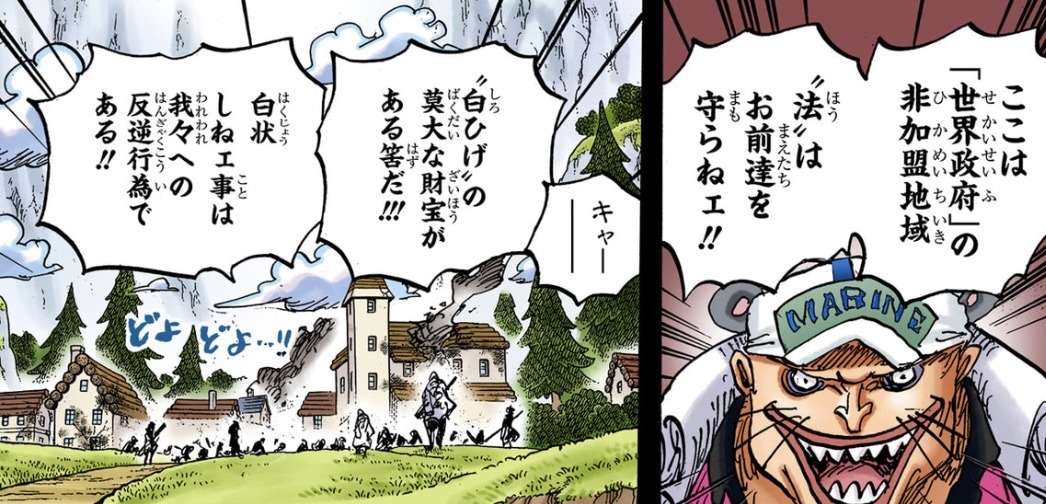
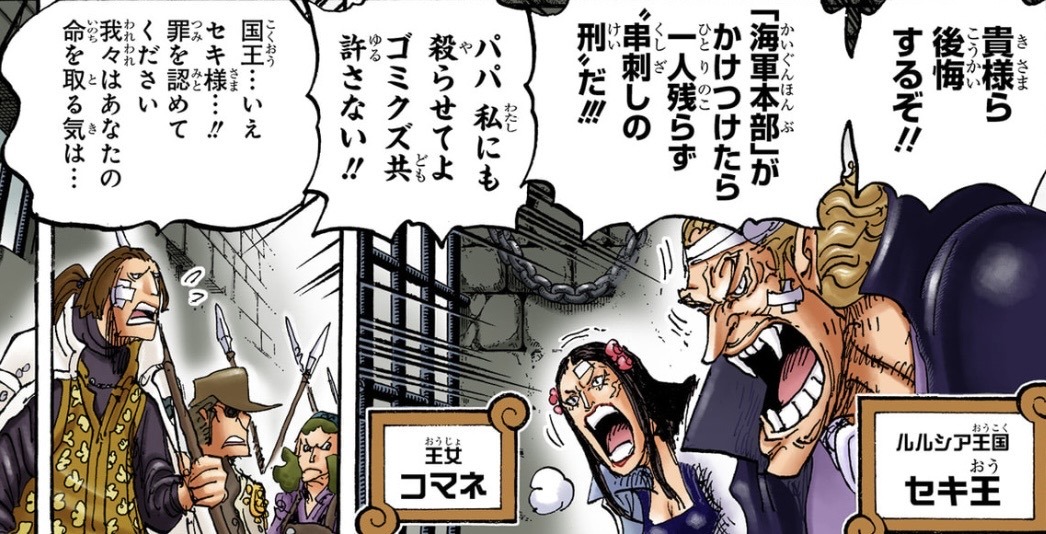
So Roger’s dream is probably something like “a world free from World Government rule.”
In the current One Piece world, member nations pay enormous Celestial Tribute each year in exchange for Marine protection. But when a nation can no longer afford it, the government demands citizens as slaves instead — and if there aren’t enough slaves, the nation loses its membership rights and the Marines who once protected them come to pillage.
In Chapter 1060, the Lulusia king was being questioned by his soldiers — likely because he had offered citizens as slaves in place of Celestial Tribute.
The number of slaves demanded in lieu of Celestial Tribute is 1,000 per year, as revealed in Brook’s backstory. Providing 1,000 slaves every year indefinitely is impossible. The population shrinks, the economy collapses, and the nation’s ability to pay tribute never recovers. That’s probably why Lulusia — a nation with no future — became a test target for the Mother Flame weapon.
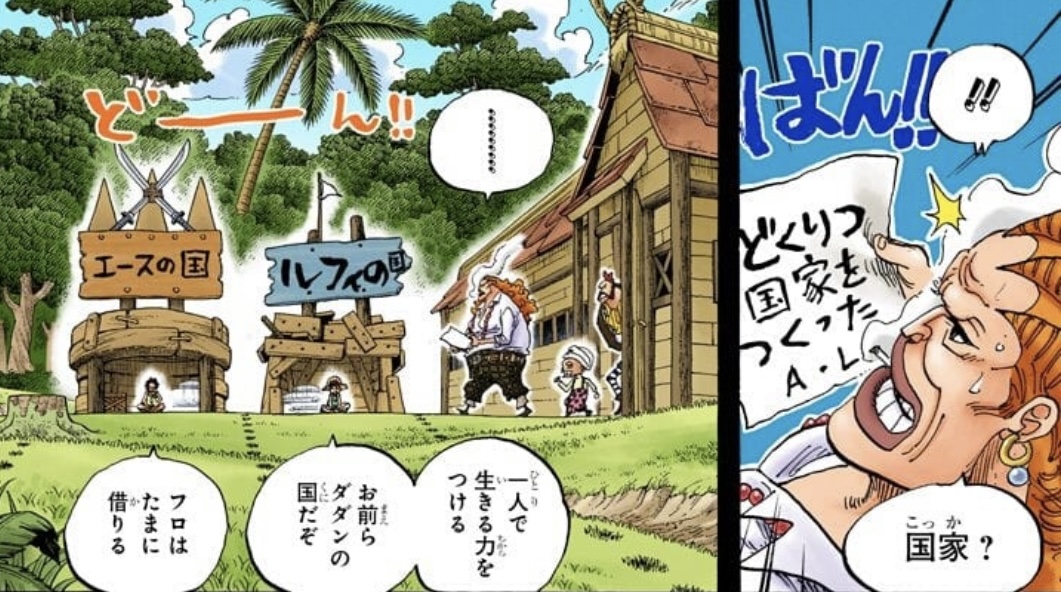
So if Roger’s words meant “all nations gaining independence from World Government rule” — everything falls into place.
Roger’s words to recruit Rayleigh, “Turn the world upside down,” carry the same meaning: flip the standing of the Celestial Dragons → swap the roles of rulers and slaves → eliminate the Celestial Dragons.
This also explains why Whitebeard called it “a childish thing” — because independent nationhood was depicted as children’s play.
To build a world where nations can live normally without World Government membership, someone must first force the government to stop its rule. That requires soldiers — and that’s what pirates are.
The Great Pirate Era Was a Necessary Step


In other words, by uttering those dying words, Roger instantly multiplied the number of soldiers willing to fight the World Government — he succeeded in launching the Great Pirate Era.
Oden knew Roger’s dream, and he understood that a flood of outlaws was needed to make it happen. That’s why he was moved to tears when Roger succeeded in creating the Great Pirate Era: Roger had died, yet the soldiers born for his dream continued to multiply.
As long as the Great Pirate Era endures, Roger’s dream can still be realized — and now, someone who carries the exact same dream as Roger has appeared.
In Part 2, we’ll examine the Pirate King vs. King of the World Nobles dynamic depicted in Chapter 1187, and what each Straw Hat felt when they heard Luffy’s dream.