Yamato’s Model: Yamato Takeru from Japanese Mythology
Like a chain of connections, the mythological models behind One Piece’s Wano characters link together.
- Yamato → Yamato Takeru
- Big Mom → Amaterasu
- Kaido → Susanoo
- Luffy → Okuninushi → Daikoku → Shiva → Nika
Each connection flows into the next like a chain of associations.
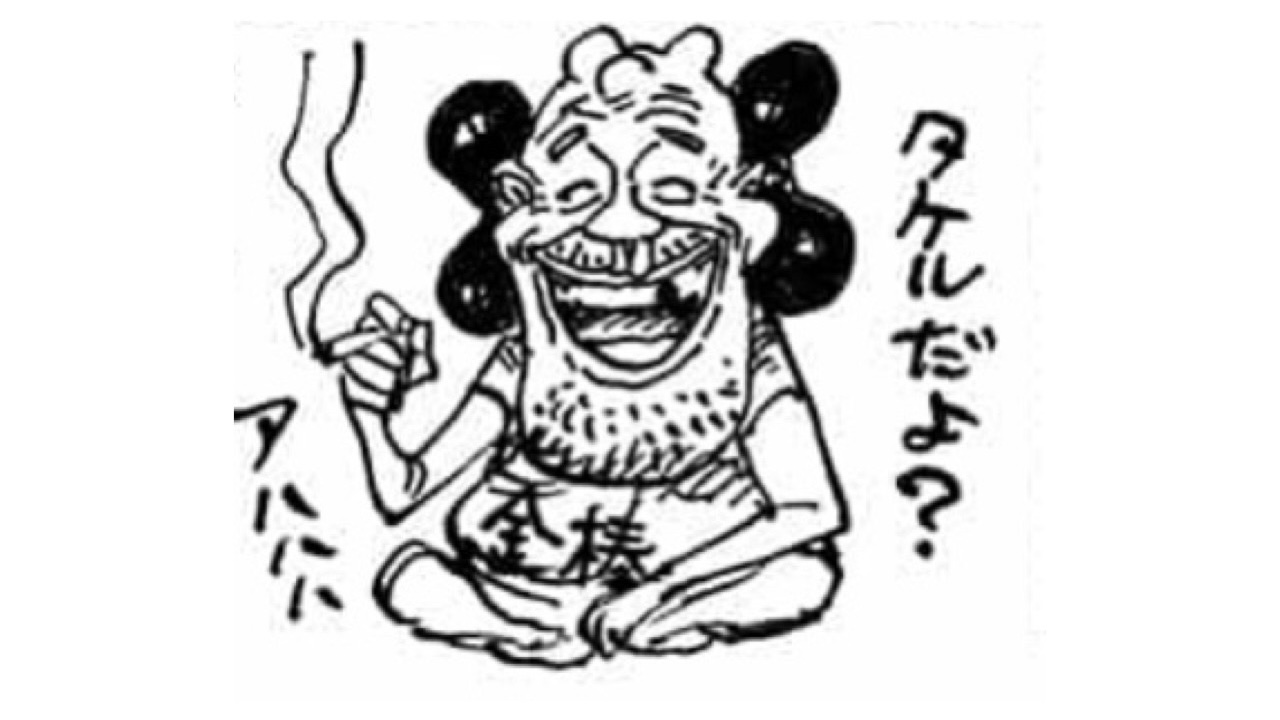
Who Is Yamato Takeru?
Yamato Takeru (ヤマトタケル) was the legendary son of Emperor Keiko, the 12th Emperor of Japan, and one of the greatest heroes of ancient Japanese history.
He defeated and subjugated organizations in Kyushu that resisted the Yamato imperial court. Originally named “Yamato Oguna,” he took the name Yamato Takeru after defeating the takeru (meaning “warrior” or “hero”) of the Kumaso people of southern Kyushu.
Notably, he defeated the enemy by disguising himself as a woman at a banquet and assassinating the leader while he was drunk — Yamato of One Piece, who disguised herself as a man, appears to directly reference this story.
Some historians believe Yamato Takeru is a composite fictional figure combining the legends of many different regional heroes.

Big Mom = Amaterasu, Kaido = Susanoo

In Japanese mythology, the supreme deity is Amaterasu, the sun goddess. Her brother is Susanoo, the storm god.
In the Wano arc, when Big Mom appeared in Japanese dress, she was depicted as Amaterasu — and Kaido, her junior partner, represents Susanoo.
Susanoo vs. Yamata no Orochi
Susanoo’s most famous legend involves getting the eight-headed serpent Yamata no Orochi drunk on sake, then beheading all eight heads while it slept.
This directly inspired One Piece: Orochi’s beheading scene mirrors Susanoo’s myth exactly.
Big Mom as Amaterasu’s Sister
If Kaido is Susanoo, then Big Mom — who treats Kaido like a younger sibling — naturally takes the role of Amaterasu, his older sister.
Big Mom riding Prometheus (a sun-themed homie) while wearing a kimono is a visual reference to Amaterasu, the sun goddess.
Luffy → Okuninushi → Daikoku → Shiva → Nika
In Wano, Luffy was depicted as Okuninushi (Great Land Master), the god who civilized Japan in Japanese mythology.
Okuninushi is also associated with Daikoku (the god of wealth and agriculture), which shares its kanji reading. Daikoku’s origins trace to the Hindu god Mahakala, which evolved into the Buddhist Vidyaraja, which traces back to Shiva, the Hindu god of destruction.
Shiva’s aspect as the Destroyer connects to Nika, the god of the sun and liberation worshipped in Elbaf — completing the mythological chain that runs through Luffy’s entire character.
Conclusion
The Wano arc is built on a foundation of Japanese mythology, with each major character serving as an avatar of a Shinto deity. Yamato as Yamato Takeru, Big Mom as Amaterasu, Kaido as Susanoo, and Luffy as Okuninushi — this mythological framework gives the Wano arc its epic, mythic weight.